
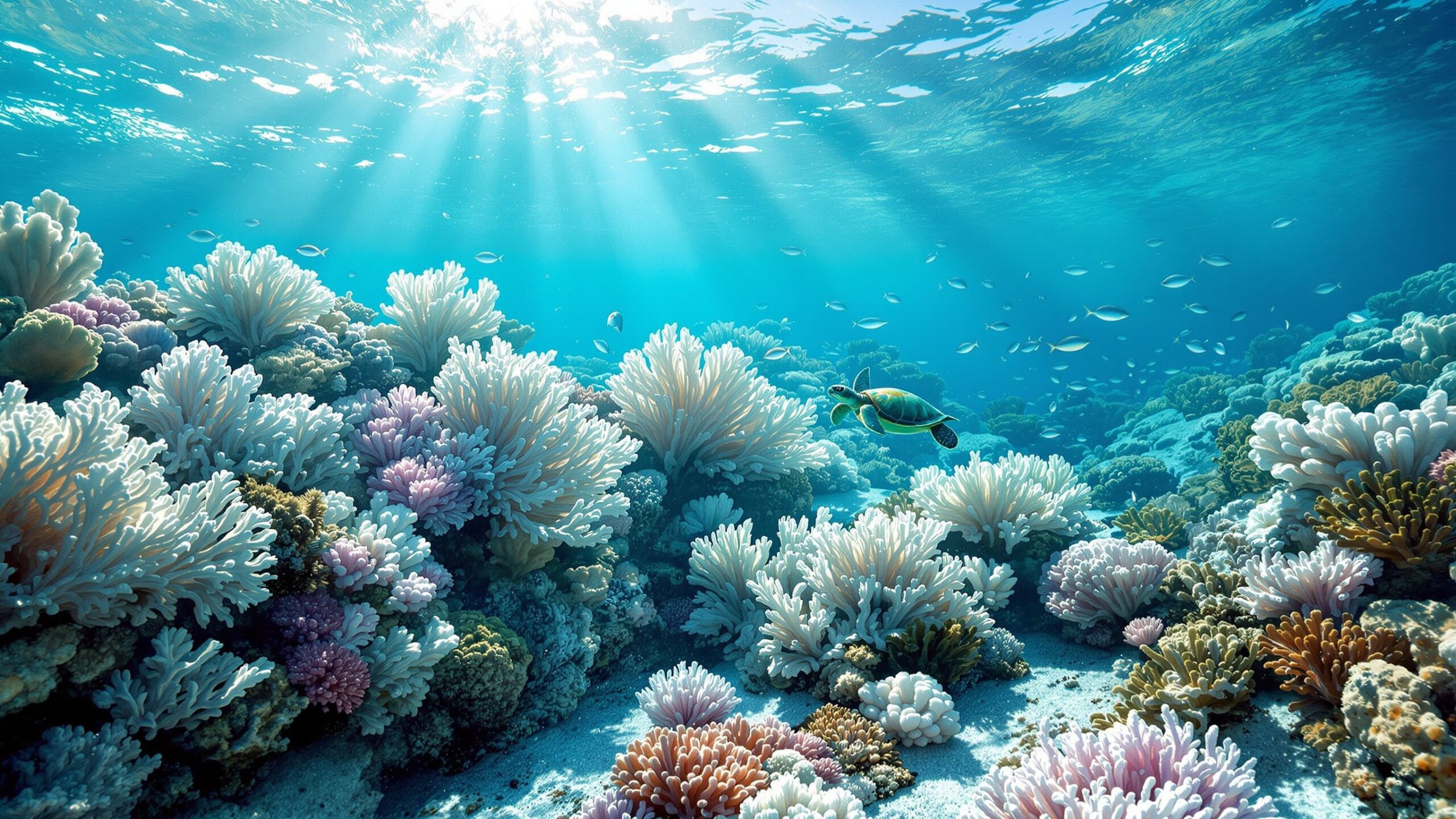
The oceans are Earth’s silent climate regulator, absorbing vast amounts of heat and carbon while shaping weather, ecosystems, and life itself. Welcome to Ocean Warming & Acidification, where we explore the profound transformations unfolding beneath the waves. As global temperatures rise, the seas store excess warmth, disrupting currents, intensifying marine heatwaves, and altering habitats from the surface to the deep. At the same time, increasing carbon dioxide levels change ocean chemistry, making waters more acidic and threatening coral reefs, shell-forming species, and delicate food webs. These shifts ripple outward, affecting fisheries, coastal economies, biodiversity, and global climate stability. In this collection, we uncover the science behind warming waters and acidifying seas, alongside the ecological consequences and human challenges that follow. Through research insights, expert analysis, and compelling stories, discover how changes hidden below the horizon are reshaping the planet. The oceans are warming, their chemistry evolving — and understanding these changes is key to protecting the future of marine life and humanity alike.
A: Water has a high heat capacity, absorbing large energy amounts before temperature rises.
A: Absorption of atmospheric CO₂, forming carbonic acid and lowering seawater pH.
A: No—seawater remains slightly alkaline but shifts toward lower pH.
A: Heat disrupts symbiotic algae, leading to bleaching and stress.
A: Warm water holds less dissolved oxygen and enhances stratification.
A: Some species adjust, but rapid change challenges many organisms.
A: Through pH monitoring, carbonate chemistry analysis, and CO₂ sensors.
A: Extended intervals of abnormally high ocean temperatures.
A: It limits mixing, reducing nutrient supply to surface ecosystems.
A: Ecosystem disruption, fisheries stress, coral decline, and sea level rise.