Carbon is one of the most important elements on Earth. It forms the backbone of life, fuels ecosystems, and plays a central role in regulating the planet’s climate. The carbon cycle is the continuous movement of carbon through the atmosphere, oceans, land, and living organisms. This cycle determines how much heat Earth retains, how ecosystems grow and decay, and how stable global temperatures remain over time. When the carbon cycle is balanced, it acts as a natural climate stabilizer. When disrupted, it can amplify warming and drive long-term environmental change.
A: It’s the movement of carbon through the atmosphere, oceans, living organisms, soils, and rocks.
A: In rocks over geologic time, and in the ocean/soils within the active climate system.
A: Because CO₂ is also released by respiration, decomposition, fires, and ocean outgassing—and added by human activities.
A: CO₂ dissolves into seawater and can be transported to depth by mixing, circulation, and biological processes.
A: They reduce photosynthesis, increase respiration, and raise fire risk—pushing ecosystems toward net emissions.
A: More atmospheric greenhouse gases trap more heat, which then alters ecosystems and oceans that control carbon storage.
A: Yes—methane is a carbon-containing gas produced in low-oxygen environments and eventually oxidizes to CO₂.
A: In some cases—protecting forests, restoring wetlands, and improving soil practices can help, while avoiding reversals from fire/drought.
A: A sink absorbs more carbon than it releases (like a growing forest or certain ocean regions).
A: If warming or disturbance releases it (fires, thaw, soil loss), it can amplify warming and weaken future storage.
Why Carbon Matters to Earth’s Climate
Carbon influences climate because it is a key component of greenhouse gases, especially carbon dioxide and methane. These gases trap heat in the atmosphere, slowing the escape of energy back into space. The amount of carbon circulating in different parts of the Earth system determines how strong this heat-trapping effect becomes. The carbon cycle controls not just where carbon is stored, but how quickly it moves between reservoirs, shaping both short-term weather patterns and long-term climate trends.
Carbon Reservoirs: Where Carbon Lives
Carbon is stored in several major reservoirs. The atmosphere holds carbon mainly as carbon dioxide. The oceans contain vast amounts of dissolved carbon, far more than the atmosphere. Land stores carbon in vegetation, soils, and rocks. Living organisms constantly exchange carbon with their surroundings through growth, respiration, and decay. Each reservoir operates on different timescales, from days to millions of years, giving the carbon cycle both flexibility and inertia.
Photosynthesis: Nature’s Carbon Intake System
Photosynthesis is the primary way carbon enters the living world. Plants, algae, and some bacteria absorb carbon dioxide from the atmosphere and use sunlight to convert it into organic matter. This process removes carbon from the air and stores it in leaves, stems, roots, and tissues. Forests, grasslands, and phytoplankton-rich oceans act as powerful carbon sinks, slowing the buildup of carbon dioxide in the atmosphere.
Respiration and Decay: Carbon’s Return Path
Carbon does not remain locked in living organisms forever. Through respiration, plants, animals, and microbes release carbon dioxide back into the atmosphere as they convert organic matter into energy. When organisms die, decomposers break down their tissues, returning carbon to the soil, water, or air. These processes ensure that carbon continues to circulate, preventing permanent depletion from any single reservoir.
Soils as Massive Carbon Stores
Soils are one of Earth’s largest carbon reservoirs. Organic matter from dead plants and animals becomes incorporated into soil, where it can remain stored for decades or centuries. Microbial activity slowly releases some of this carbon back into the atmosphere, while other portions become stabilized through chemical interactions with minerals. Healthy soils act as long-term carbon sinks, while disturbed soils can become sources of carbon emissions.
Oceans as Carbon Buffers
The oceans absorb carbon dioxide directly from the atmosphere through gas exchange at the surface. Cold water can hold more dissolved carbon than warm water, making high-latitude oceans especially important carbon sinks. Once carbon enters the ocean, it can remain dissolved, be taken up by marine organisms, or sink into deeper waters. Ocean circulation moves this carbon through the depths, storing it far from the atmosphere for centuries.
The Biological Carbon Pump
Marine life plays a crucial role in ocean carbon storage. Phytoplankton absorb carbon dioxide during photosynthesis, forming the base of ocean food webs. When these organisms die or are consumed, some carbon sinks as organic particles into the deep ocean. This process, known as the biological carbon pump, transfers carbon from the surface to deep waters, reducing atmospheric carbon levels over long timescales.
Carbonate Chemistry and Long-Term Storage
Some marine organisms use carbon to build shells and skeletons made of calcium carbonate. When these organisms die, their remains can settle on the seafloor and eventually become part of sedimentary rock. Over millions of years, this process locks carbon into Earth’s crust, removing it from active circulation. This geological storage is one of the slowest but most stable components of the carbon cycle.
Volcanism and Carbon Release
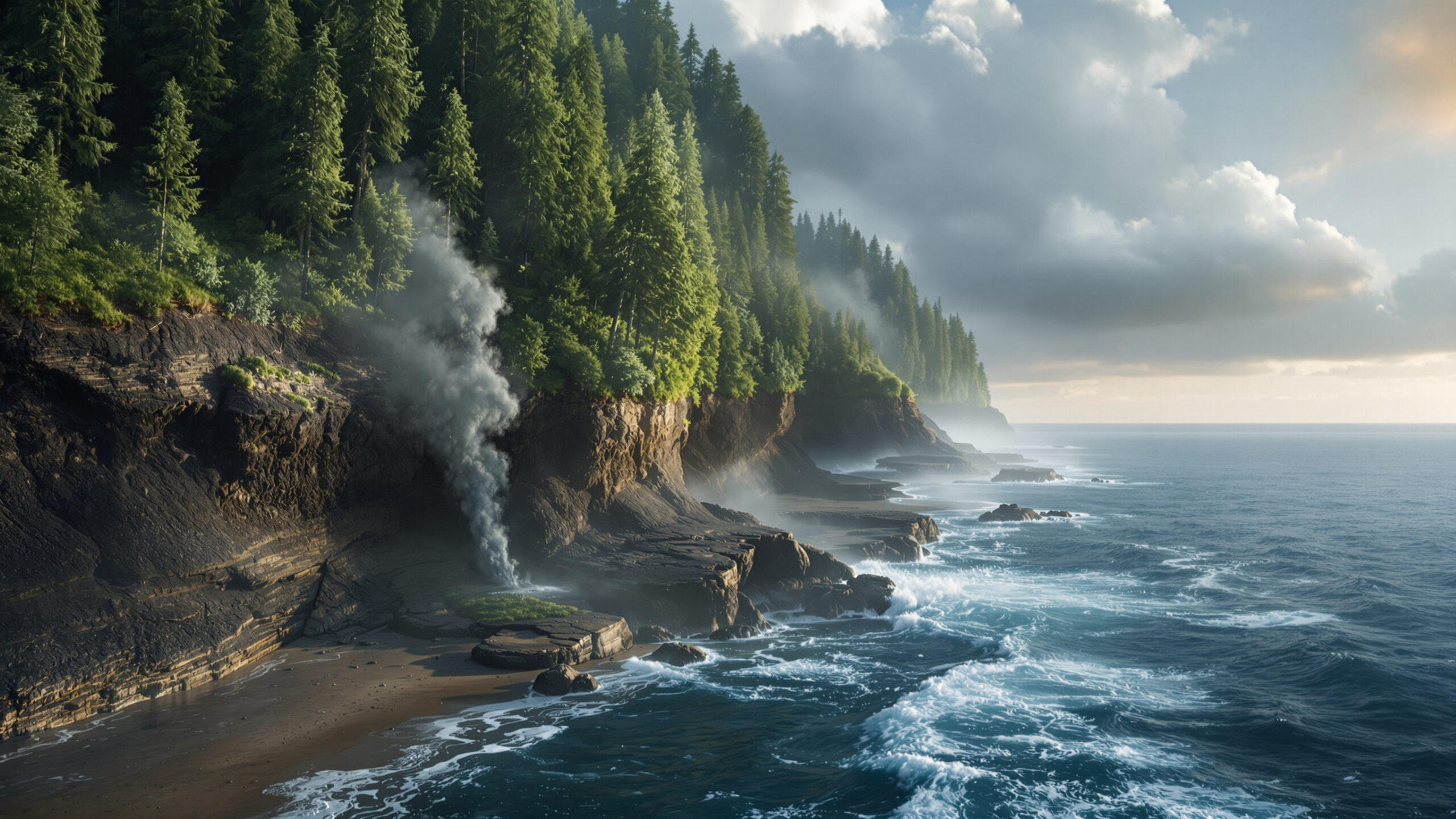
Carbon stored deep within Earth is returned to the surface through volcanic activity. Volcanoes release carbon dioxide into the atmosphere during eruptions and through continuous outgassing. While volcanic emissions are relatively small compared to biological and oceanic fluxes, they play an important role in replenishing atmospheric carbon over geological timescales.
Weathering: Nature’s Carbon Removal Mechanism
Chemical weathering of rocks removes carbon dioxide from the atmosphere over long periods. Rainwater reacts with carbon dioxide to form weak acids that break down rocks. The resulting materials are transported to the oceans, where carbon is stored as dissolved ions or incorporated into sediments. This slow process acts as a planetary thermostat, increasing carbon removal during warm periods and slowing it during cooler times.
Short-Term Versus Long-Term Carbon Cycling
The carbon cycle operates on multiple timescales. Short-term cycling involves rapid exchanges between atmosphere, plants, soils, and surface oceans over days to years. Long-term cycling includes the movement of carbon through deep oceans, sediments, and rocks over thousands to millions of years. Climate stability depends on the interaction between these fast and slow processes, which together regulate how much carbon remains in the atmosphere.
Feedback Loops in the Carbon Cycle
The carbon cycle includes feedback mechanisms that can either stabilize or amplify climate change. Warmer temperatures can increase plant growth in some regions, enhancing carbon uptake. At the same time, warming can accelerate soil decomposition and ocean outgassing, releasing more carbon. When positive feedbacks dominate, the carbon cycle can intensify warming rather than counteract it.
Permafrost and Frozen Carbon
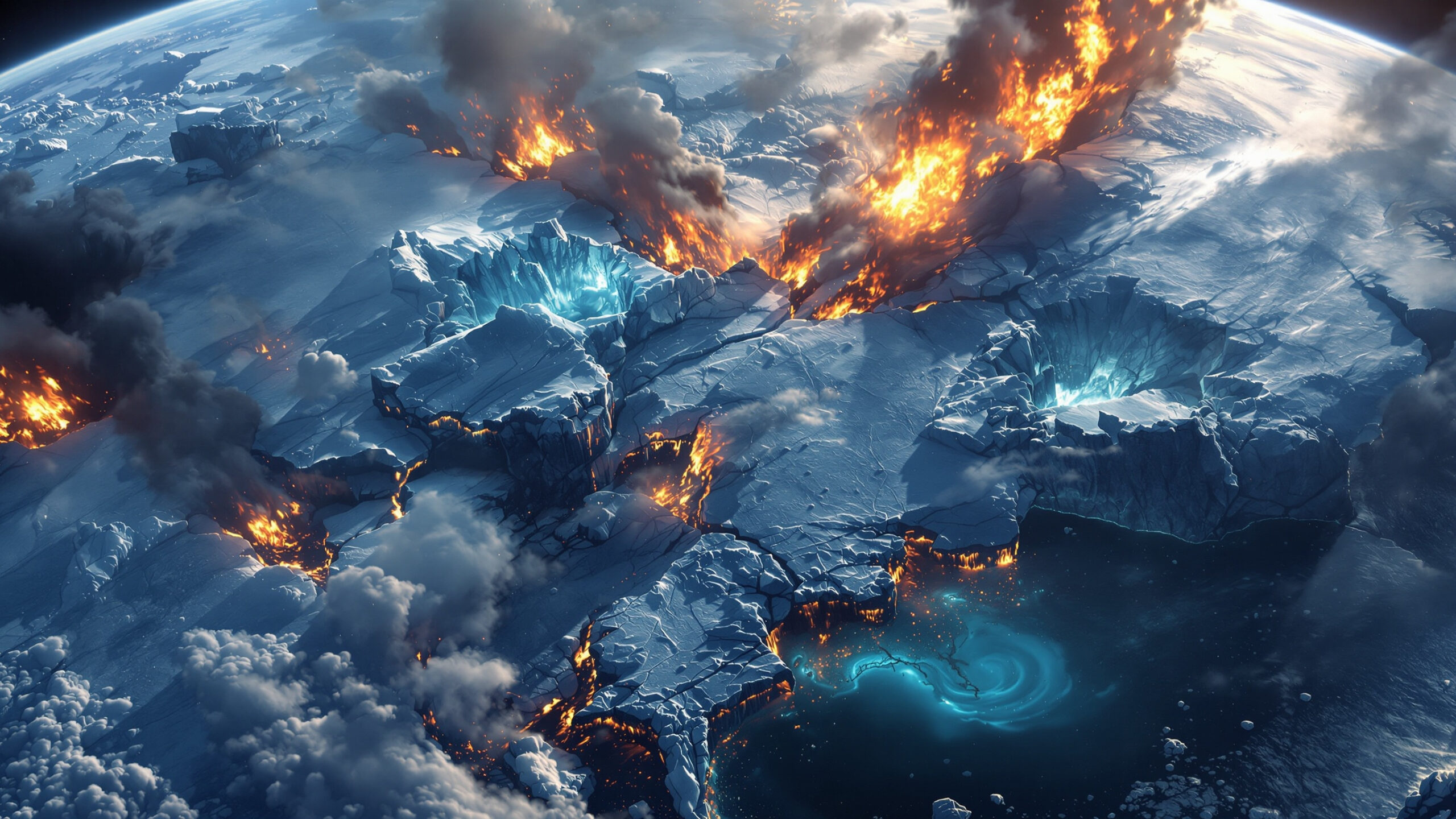
Large amounts of carbon are stored in frozen soils in high-latitude regions. As temperatures rise, permafrost thaws, allowing microbes to decompose organic matter that was previously frozen. This releases carbon dioxide and methane into the atmosphere, strengthening the greenhouse effect. Once initiated, this process can continue independently of human emissions, making it a powerful climate feedback.
Forests as Carbon Regulators
Forests play a dual role in the carbon cycle. Growing forests absorb large amounts of carbon, acting as sinks. When forests burn, decay, or are cleared, stored carbon is rapidly released back into the atmosphere. The balance between forest growth and loss strongly influences global carbon levels and regional climate patterns.
The Ocean–Atmosphere Carbon Exchange
Carbon constantly moves between the ocean and atmosphere. When atmospheric carbon dioxide levels rise, more gas dissolves into surface waters. As waters warm, their capacity to hold carbon decreases, causing some carbon to be released back into the air. This exchange links ocean temperatures directly to atmospheric carbon concentrations and climate change.
Human Influence on the Carbon Cycle
Human activities have dramatically altered the carbon cycle. Burning fossil fuels releases carbon that was stored underground for millions of years, adding it to the atmosphere in a matter of decades. Deforestation reduces the planet’s ability to absorb carbon, while agriculture and land use change affect soil carbon storage. These disruptions have pushed the carbon cycle out of balance.
Why the Carbon Cycle Is Not Easily Reversed
Once excess carbon enters the atmosphere, removing it is slow and complex. Oceans absorb carbon gradually, and geological processes operate over millennia. Even if emissions were reduced immediately, elevated carbon levels would persist, continuing to influence climate long into the future. This inertia makes early intervention critical.
Carbon Cycle and Climate Tipping Points
Changes in the carbon cycle can trigger tipping points in the climate system. Widespread forest loss, large-scale permafrost thaw, or ocean circulation changes can shift the balance from carbon storage to carbon release. These shifts can accelerate warming and make stabilization far more difficult.
Lessons from Earth’s Past
Earth’s history shows that disruptions to the carbon cycle have coincided with major climate transitions. Periods of rapid warming are often linked to large carbon releases from volcanic activity, methane hydrates, or ecosystem collapse. These past events demonstrate how powerful carbon cycle changes can be.
Managing the Carbon Cycle for the Future
Protecting natural carbon sinks such as forests, soils, and oceans is essential for climate stability. Reducing carbon emissions slows the rate at which carbon enters the atmosphere, giving natural systems time to adjust. Supporting healthy ecosystems strengthens the planet’s ability to store carbon and moderate climate change.
The Carbon Cycle as Earth’s Climate Backbone
The carbon cycle is not just a chemical process—it is the backbone of Earth’s climate system. It connects life, land, oceans, and atmosphere into a single, dynamic network. How carbon is stored and released determines the planet’s temperature, the resilience of ecosystems, and the habitability of Earth itself.
A Delicate Balance We Depend On
Earth’s carbon cycle has maintained a relatively stable climate for most of the planet’s history. Today, that balance is under pressure. Understanding how nature stores and releases carbon reveals both the fragility and strength of the system. Protecting this balance is essential for ensuring a stable climate and a livable future for generations to come.