
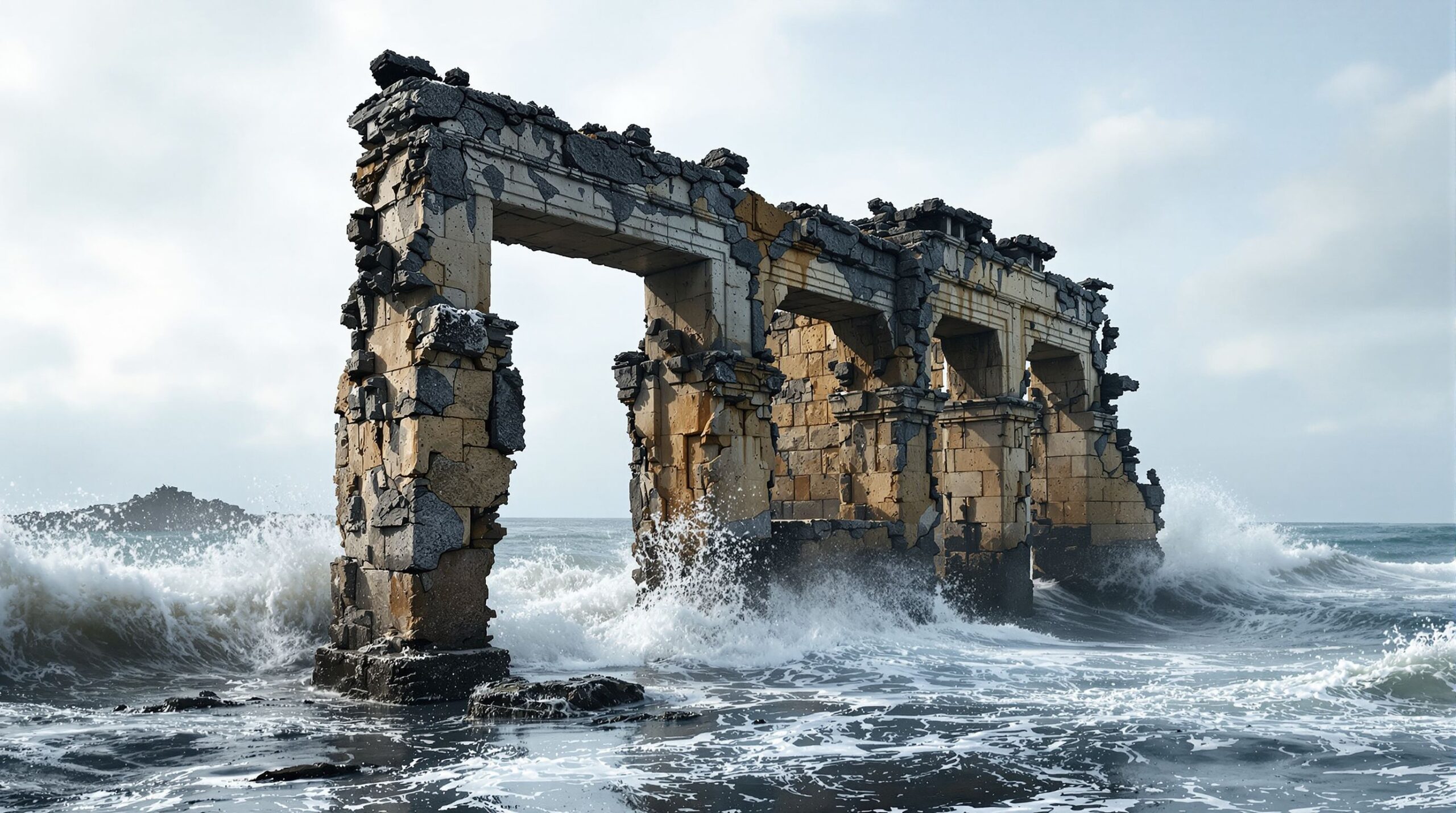
Across the world, climate change is not only reshaping landscapes—it is threatening the stories, traditions, and identities rooted within them. Cultural Heritage at Risk explores how rising seas, extreme weather, erosion, and environmental shifts are putting historic sites, sacred spaces, and centuries-old traditions in jeopardy. From ancient coastal cities facing submersion to cultural landmarks damaged by wildfires and floods, the loss extends beyond physical structures to the living heritage of communities. This space examines how climate impacts language, rituals, craftsmanship, and collective memory, especially for cultures closely tied to specific places. It also highlights global and local efforts to preserve, document, and protect heritage through innovation, policy, and community action. Whether safeguarding historic architecture or supporting cultural continuity in changing environments, this category reveals the profound connection between people, place, and history. Here, protecting heritage becomes an urgent mission to preserve identity, legacy, and the human story itself.
A: It includes physical sites, traditions, languages, and practices that reflect a community’s history and identity.
A: Through flooding, erosion, heat, storms, and environmental shifts that damage or destroy sites and practices.
A: It connects people to their history, identity, and shared experiences.
A: Some can be protected or adapted, but others may face irreversible risks.
A: It refers to traditions, languages, and practices rather than physical objects or places.
A: Through documentation, education, participation, and local stewardship.
A: It supports monitoring, preservation, and digital archiving of heritage resources.
A: Rising seas and storms can erode or flood these areas over time.
A: Protecting cultural heritage requires both preservation of the past and adaptation to a changing future.
A: It can impact identity, continuity, and cultural connection across generations.