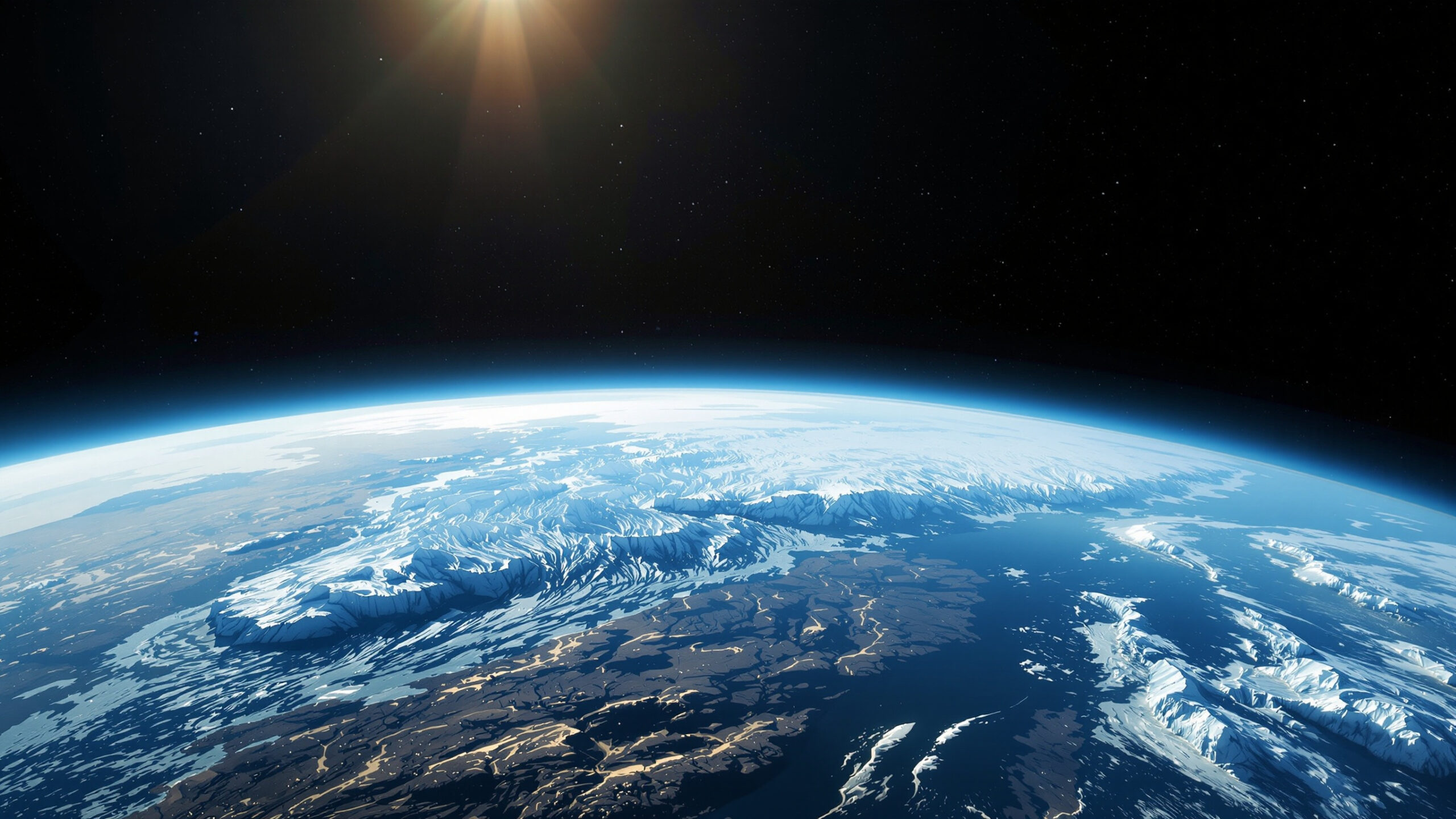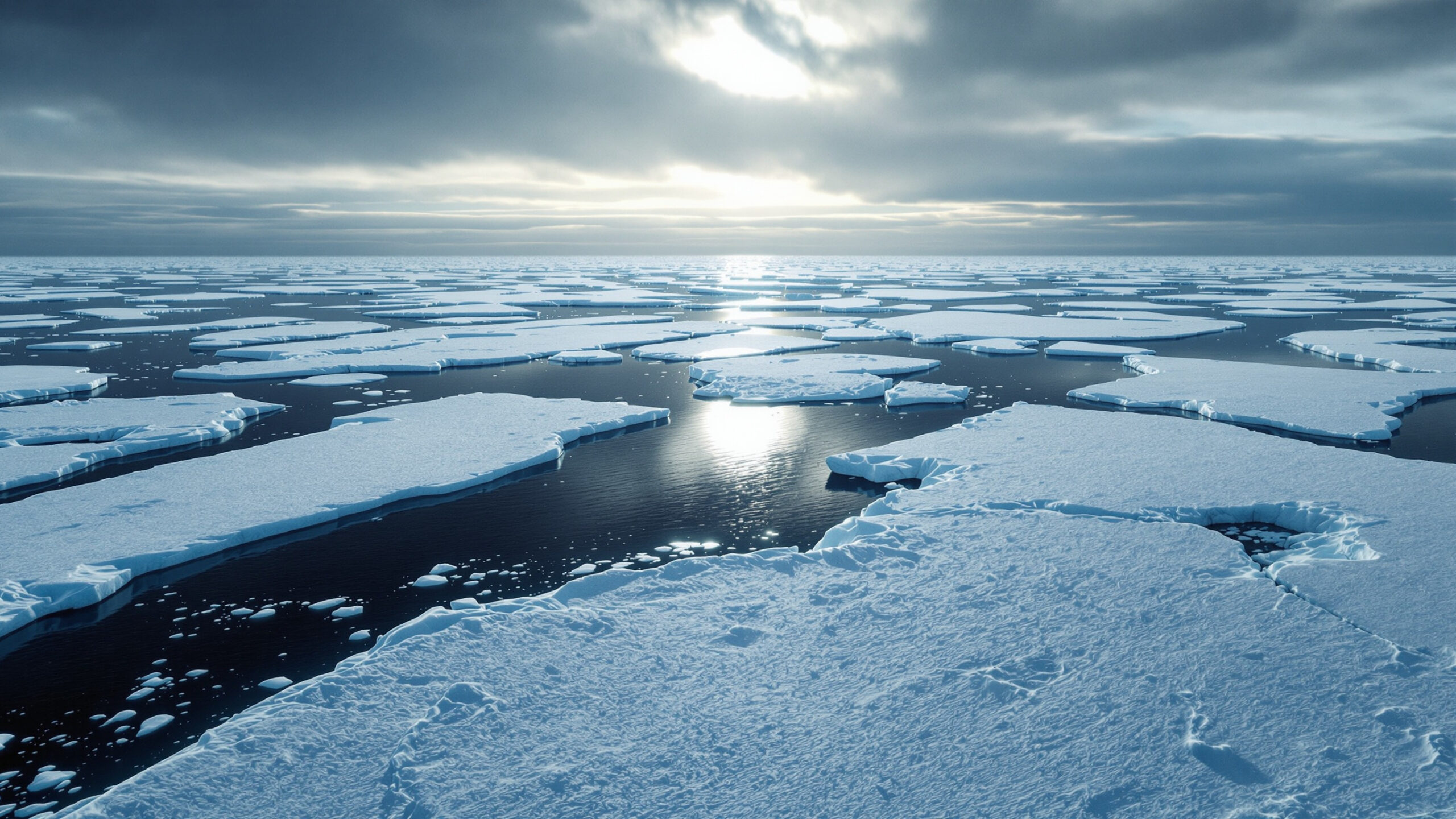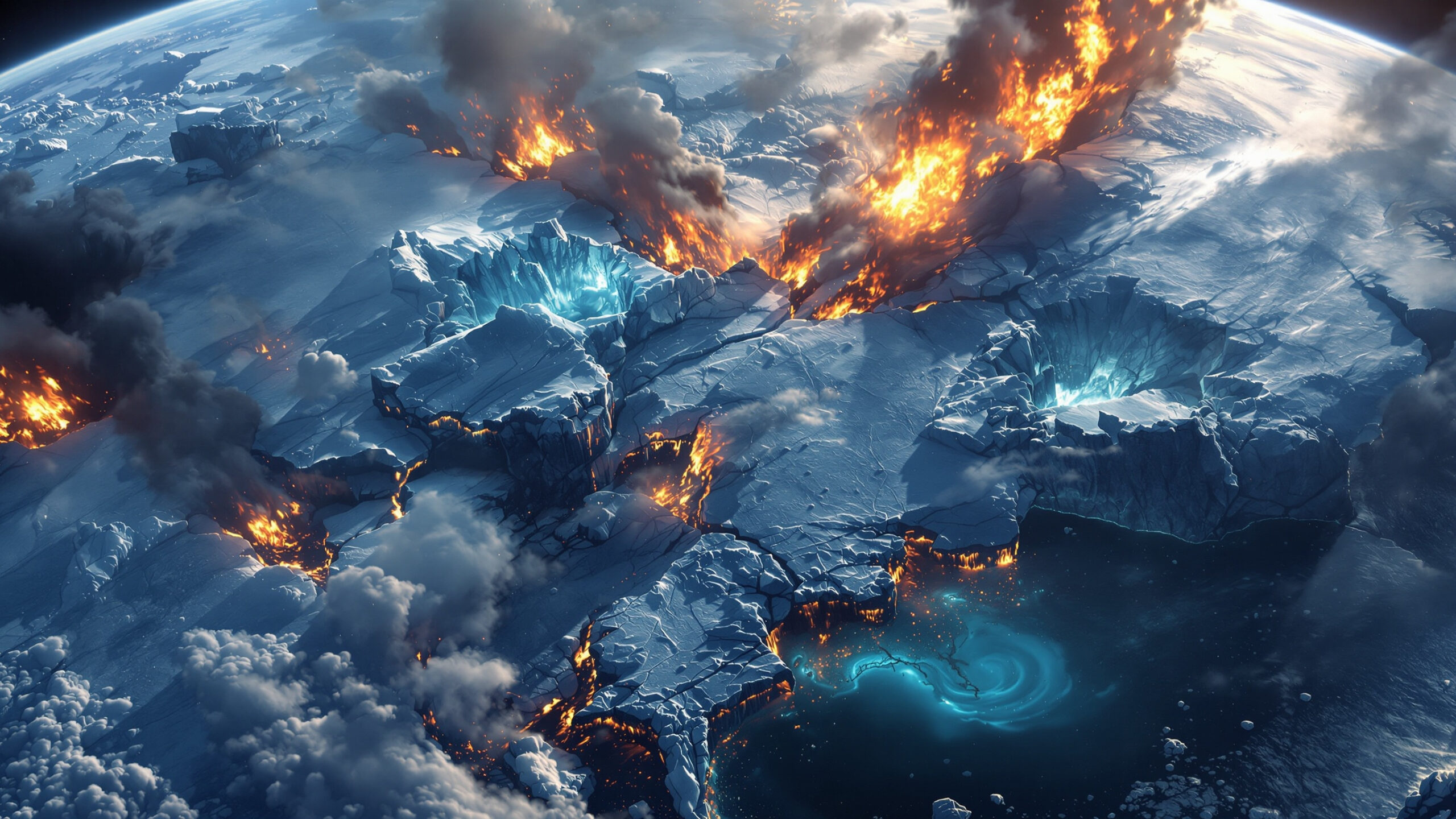
Earth’s climate system is not a simple dial that warms or cools smoothly in response to change. It behaves more like a complex network of switches, feedbacks, and thresholds. Climate tipping points are the moments when gradual change pushes a system past a critical boundary, triggering rapid, often irreversible shifts. These tipping points matter because once crossed, they can fundamentally alter how the planet regulates heat, water, and life—sometimes long after the original cause has stopped.
A: Not exactly—extremes are events; tipping points are system-level shifts where the baseline itself can change.
A: Some changes may be reversible in theory, but many have hysteresis—returning can require far more cooling and time.
A: Triggered means you crossed conditions that start self-sustaining change; committed means the long-term outcome is locked in.
A: Ice sheets, major ocean circulation patterns, coral reefs, permafrost carbon, and large forests are commonly studied.
A: Sometimes we can see warning signals, but prediction is hard—so risk management matters.
A: Because thresholds vary by region and uncertainty; it’s often a risk range, not one exact temperature.
A: Yes—cascades are a major concern because linked systems can amplify total impact.
A: Reduce warming drivers and plan for surprises—stress-test water, power, food, and emergency systems.
A: Adaptation helps, but avoiding the highest-risk warming levels reduces the chance of irreversible shifts.
A: It’s like leaning back in a chair: you can feel stable—until the instant you’re not, and catching yourself is harder than preventing the fall.
Understanding Tipping Points in the Climate System
A climate tipping point occurs when a component of the Earth system changes state abruptly after reaching a threshold. Before the threshold, the system may appear stable, absorbing stress with little visible change. Once crossed, small additional forcing can unleash large-scale transformations. These shifts are driven by feedback loops that amplify change rather than dampen it, allowing the system to move quickly toward a new equilibrium.
Gradual Forcing, Sudden Change
One of the most unsettling aspects of climate tipping points is the mismatch between cause and effect. Greenhouse gas levels can rise steadily for decades while visible impacts seem manageable. Then, seemingly without warning, a system responds dramatically. This delayed reaction occurs because many climate components store energy or stress internally until a breaking point is reached, after which change accelerates rapidly.
Feedback Loops: The Engines Behind Tipping Points
Feedbacks determine whether a climate system resists change or amplifies it. Negative feedbacks stabilize conditions by counteracting disturbances. Positive feedbacks reinforce change, pushing the system further in the same direction. Tipping points arise when positive feedbacks overpower stabilizing forces, turning gradual warming into runaway processes that are difficult to stop.
Ice Sheet Collapse and Rising Seas
Large ice sheets act as regulators of global climate and sea level. As temperatures rise, surface melting increases and ice thins. Once thinning reaches a critical point, ice flow toward the ocean accelerates, lowering the ice surface into warmer air and speeding further melt. This self-reinforcing cycle can lead to rapid ice sheet retreat, locking in sea-level rise for centuries even if temperatures later stabilize.
The Ice–Albedo Tipping Mechanism
Ice and snow reflect sunlight efficiently. When they melt, darker land or water absorbs more heat, accelerating warming. This ice–albedo feedback is a classic tipping mechanism. Beyond a certain loss of ice cover, cooling effects weaken and melting becomes self-sustaining, making recovery extremely difficult on human timescales.
Permafrost Thaw and Carbon Release
Frozen soils in polar regions store vast amounts of carbon accumulated over thousands of years. As temperatures rise, permafrost begins to thaw, allowing microbes to decompose organic matter and release carbon dioxide and methane. These gases increase atmospheric heat retention, causing further warming and deeper thaw. Once widespread thaw begins, the process can continue independently of human emissions.
Methane as a Climate Accelerator
Methane released from thawing permafrost and wetlands is especially powerful because it traps heat far more effectively than carbon dioxide over short timescales. Even modest increases can significantly accelerate warming, pushing other climate systems closer to their tipping thresholds and creating cascading effects across the planet.
Ocean Circulation Breakdown
The global ocean circulation redistributes heat around the planet. It relies on differences in temperature and salinity to drive deep currents. Freshwater from melting ice can disrupt this balance by reducing ocean density, weakening circulation. If circulation slows past a threshold, heat transport patterns shift dramatically, altering regional climates and destabilizing weather systems.
Abrupt Climate Shifts from Ocean Changes
Past climate records show that ocean circulation changes have triggered abrupt temperature swings in regions far from the source. These shifts can occur over decades rather than centuries, demonstrating how tipping points in one system can rapidly reshape global climate patterns.
Coral Reef Collapse
Coral reefs exist within a narrow temperature range. Prolonged warming causes corals to expel the algae that provide them with energy, leading to bleaching. If warming persists beyond a threshold, reefs fail to recover and ecosystems collapse. Loss of reefs affects ocean biodiversity, fisheries, and coastal protection, representing a biological tipping point with wide-reaching consequences.
Forest Dieback and Ecosystem Shifts
Forests regulate climate by absorbing carbon, influencing rainfall, and cooling the surface through evaporation. Rising temperatures and changing precipitation patterns increase stress from drought, fire, and pests. Once forest loss crosses a threshold, ecosystems can shift toward grasslands or savannas, releasing stored carbon and altering regional climate permanently.
Fire as a Tipping Trigger
Wildfires can transform landscapes rapidly. Increased fire frequency dries soils, reduces vegetation cover, and promotes further burning. Once fire-driven feedbacks dominate, ecosystems may no longer support forest regrowth, locking in a new, hotter and drier state.
Monsoon Systems at Risk
Monsoon systems depend on temperature contrasts between land and ocean. Gradual warming can weaken these contrasts, destabilizing rainfall patterns that billions of people rely on. If monsoon circulation crosses a tipping threshold, rainfall may become erratic or fail entirely, reshaping agriculture and water availability across entire regions.
Arctic Amplification and Global Effects
The Arctic is warming far faster than the global average. As sea ice declines, heat absorption increases, accelerating regional warming. Arctic amplification influences jet stream behavior, affecting weather patterns far beyond the polar regions. Once ice loss reaches a tipping point, seasonal recovery becomes increasingly unlikely.
Cascading Tipping Points
One of the most serious risks is that tipping points rarely occur in isolation. Changes in one system can push others closer to their thresholds. Ice melt affects ocean circulation, which influences weather patterns, which impact forests and ecosystems. These cascades can accelerate global change far beyond what individual tipping points would cause alone.
Time Lags and Irreversibility
Many tipping points involve long time lags. Once crossed, the full consequences may unfold over decades or centuries. Even if temperatures stabilize, systems such as ice sheets or permafrost may continue changing due to internal momentum. This irreversibility makes early action critical.
Climate History and Abrupt Transitions
Earth’s geological record reveals multiple abrupt climate transitions. Past warming events triggered rapid ice loss, ocean changes, and ecosystem collapses. These historical examples show that tipping points are not theoretical—they are a fundamental feature of Earth’s climate system.
Human Influence and Modern Risk
Human-driven warming is occurring far faster than most natural changes in the past. This rapid forcing increases the likelihood of crossing multiple tipping points simultaneously, reducing the system’s ability to adapt gradually. The speed of change is a central concern for climate stability.
Predicting the Unknown Thresholds
Scientists cannot always pinpoint the exact temperature at which a tipping point will occur. Uncertainty does not imply safety. It means that thresholds could be closer than expected, and once crossed, control may be lost. Risk management in climate science focuses on avoiding conditions where tipping becomes likely.
Why Tipping Points Matter for Society
Crossing climate tipping points affects food systems, water supplies, coastlines, and global economies. The impacts are uneven, often hitting vulnerable populations first. Understanding tipping points helps policymakers and communities recognize the urgency of limiting warming before irreversible changes take hold.
Can Tipping Points Be Avoided?
Not all tipping points are inevitable. Many depend on how quickly warming is slowed and stabilized. Reducing greenhouse gas emissions lowers the probability of crossing thresholds and gives natural systems more time to adapt. Avoidance is far more effective than attempting recovery after a tipping point is crossed.
The Window of Opportunity
The climate system still retains resilience, but that resilience is finite. Each increment of warming increases the risk of triggering self-sustaining change. The choices made in the near future will determine whether Earth’s climate remains within a stable operating range or shifts toward a fundamentally different state.
Living with the Consequences
If tipping points are crossed, adaptation becomes more difficult and costly. Sea levels continue rising, ecosystems transform, and climate extremes intensify. Understanding tipping points is not about fear—it is about foresight, allowing society to act before change accelerates beyond control.
The Line We Cannot See
Climate tipping points are dangerous precisely because they are often invisible until crossed. Earth’s climate engine can absorb stress quietly, then respond abruptly. Recognizing these hidden thresholds underscores the importance of caution, restraint, and informed action in managing the planet’s future.
A Defining Challenge for the Planet
Climate tipping points represent one of the greatest challenges humanity has ever faced. They reveal that the climate system is not infinitely forgiving. Staying on the safe side of these thresholds is essential for preserving the stability that allowed civilization to emerge. The question is not whether tipping points exist, but whether we choose to cross them.