
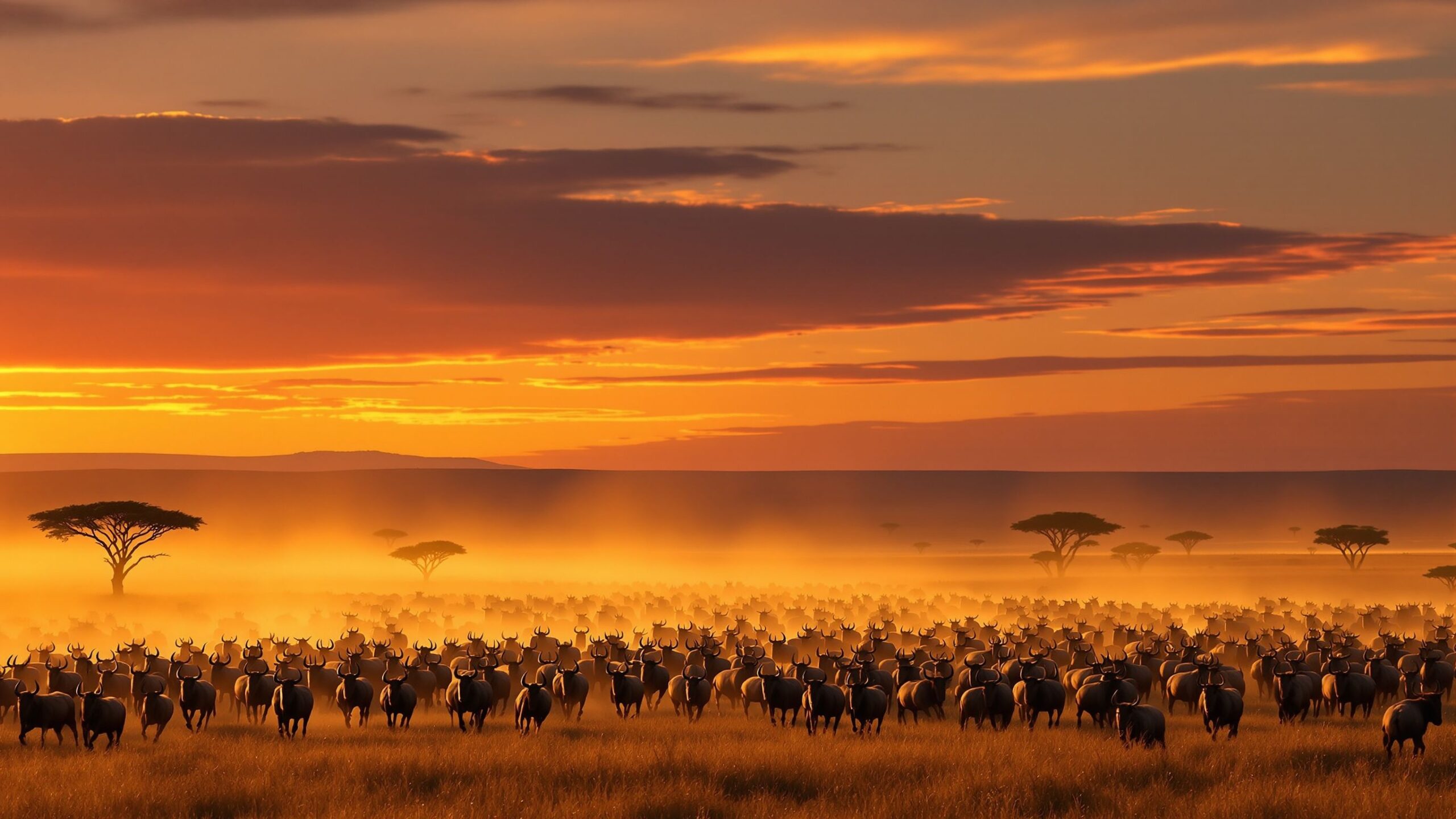
Across continents and oceans, wildlife migration is one of nature’s most extraordinary climate survival strategies. From vast herds crossing the Serengeti to monarch butterflies traveling thousands of miles toward the forests of Michoacán, migration allows species to follow food, water, and favorable temperatures. These epic movements are tightly linked to seasonal cycles and climate patterns that have shaped ecosystems for millennia.
As global temperatures shift, migration routes are changing. Some species travel farther or earlier in the year, while others struggle to adapt as habitats fragment and weather extremes intensify. Marine migrations—from whales to plankton—are also adjusting as oceans warm and currents shift. At the same time, adaptation unfolds in remarkable ways: altered breeding times, shifting diets, evolving behaviors, and even physiological changes that help species survive new conditions.
In this section of Climate Streets, explore how migration connects ecosystems across borders, why habitat corridors matter, and how protecting biodiversity strengthens climate resilience. Wildlife migration is more than movement—it is a living response to a changing planet.
A: To access seasonal food, breed in safer areas, or avoid harsh climates.
A: Some species shorten or shift routes if climates warm or food becomes year-round.
A: When migration timing no longer aligns with peak food availability.
A: No—some are behavioral adjustments within a lifetime.
A: Roads, fences, and cities block routes and isolate populations.
A: Some can adjust behavior quickly; others struggle if change is too rapid.
A: Protected pathways that reconnect habitats for safe movement.
A: They provide critical rest and feeding points during long migrations.
A: Yes—many follow temperature gradients and food currents.
A: Protect wetlands, forests, and corridors that link seasonal habitats.