
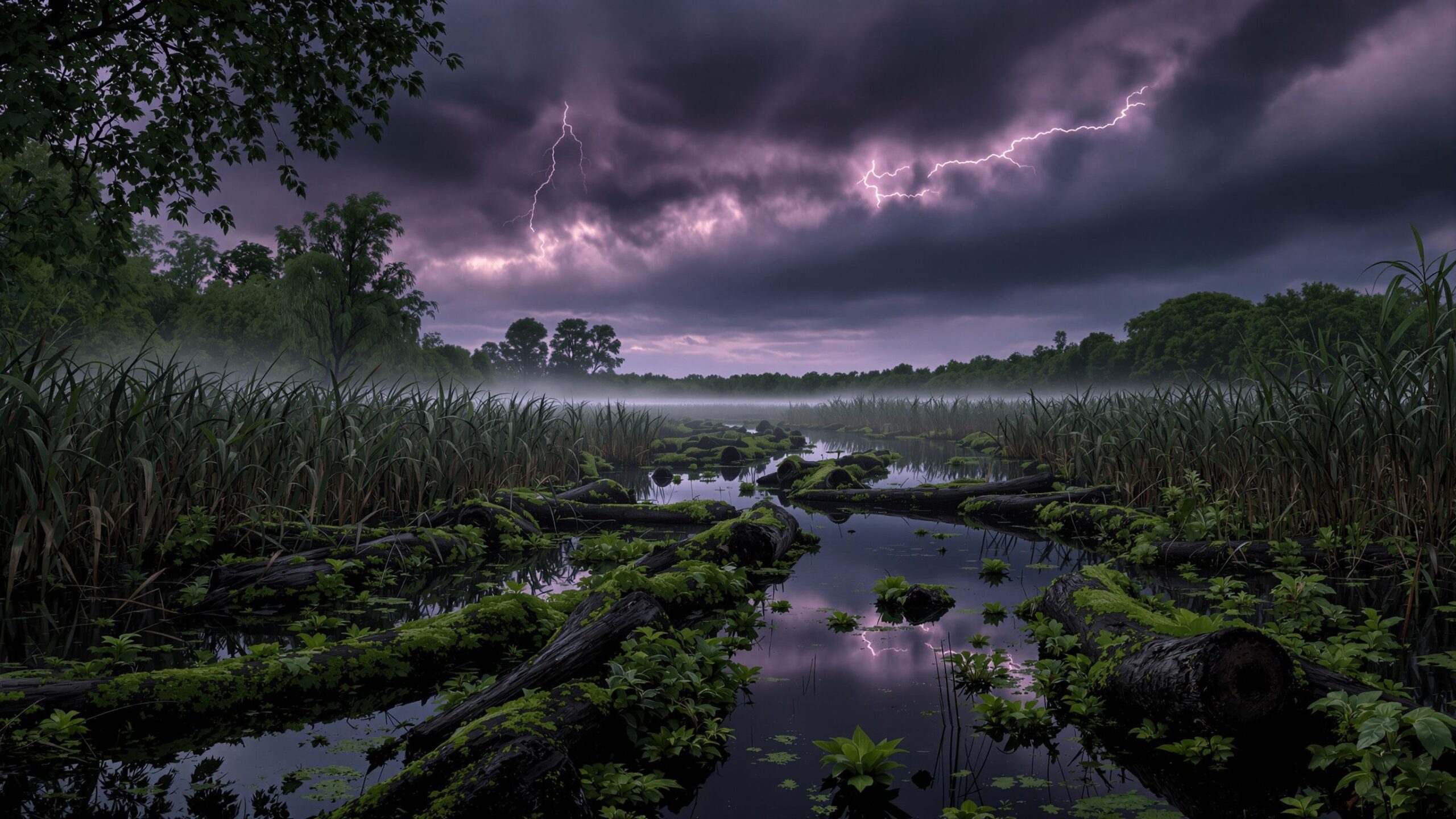
In a rapidly changing climate, invasive species are rewriting the rules of ecosystems worldwide. When plants, animals, or microorganisms are introduced—intentionally or accidentally—into regions where they have no natural predators, the ecological balance can shift dramatically. Warmer temperatures and altered rainfall patterns make it easier for non-native species to establish themselves, spread quickly, and outcompete local wildlife. From wetlands in the Everglades to fragile island systems like the Galápagos Islands, invasive species are reshaping habitats and threatening biodiversity.
These species often grow faster, reproduce more aggressively, or tolerate broader environmental conditions than native organisms. As they expand, they can disrupt food webs, alter soil chemistry, increase wildfire risk, and reduce carbon storage capacity in forests and grasslands. Climate change intensifies these dynamics, creating new migration pathways and weakening stressed ecosystems that would otherwise resist invasion.
In this section of Climate Streets, explore how invasive species spread, why prevention and early detection are critical, and how restoration efforts can rebuild resilience. Understanding invasive species dynamics is key to protecting biodiversity and preserving the climate-stabilizing power of healthy ecosystems.
A: Rapid spread, ecological harm, and disruption of native ecosystems.
A: Native species evolved without certain predators or competitors.
A: Rarely in ecological terms; they typically reduce native biodiversity.
A: It expands suitable habitats and stresses native competitors.
A: Introducing natural predators or pathogens to limit invasive populations.
A: Small populations are easier and cheaper to remove.
A: Clean boats, avoid planting invasives, and report sightings.
A: No—impact varies by ecosystem and climate conditions.
A: The route by which a species enters a new environment (trade, travel, etc.).
A: Recovery is possible with removal, restoration, and long-term management.