
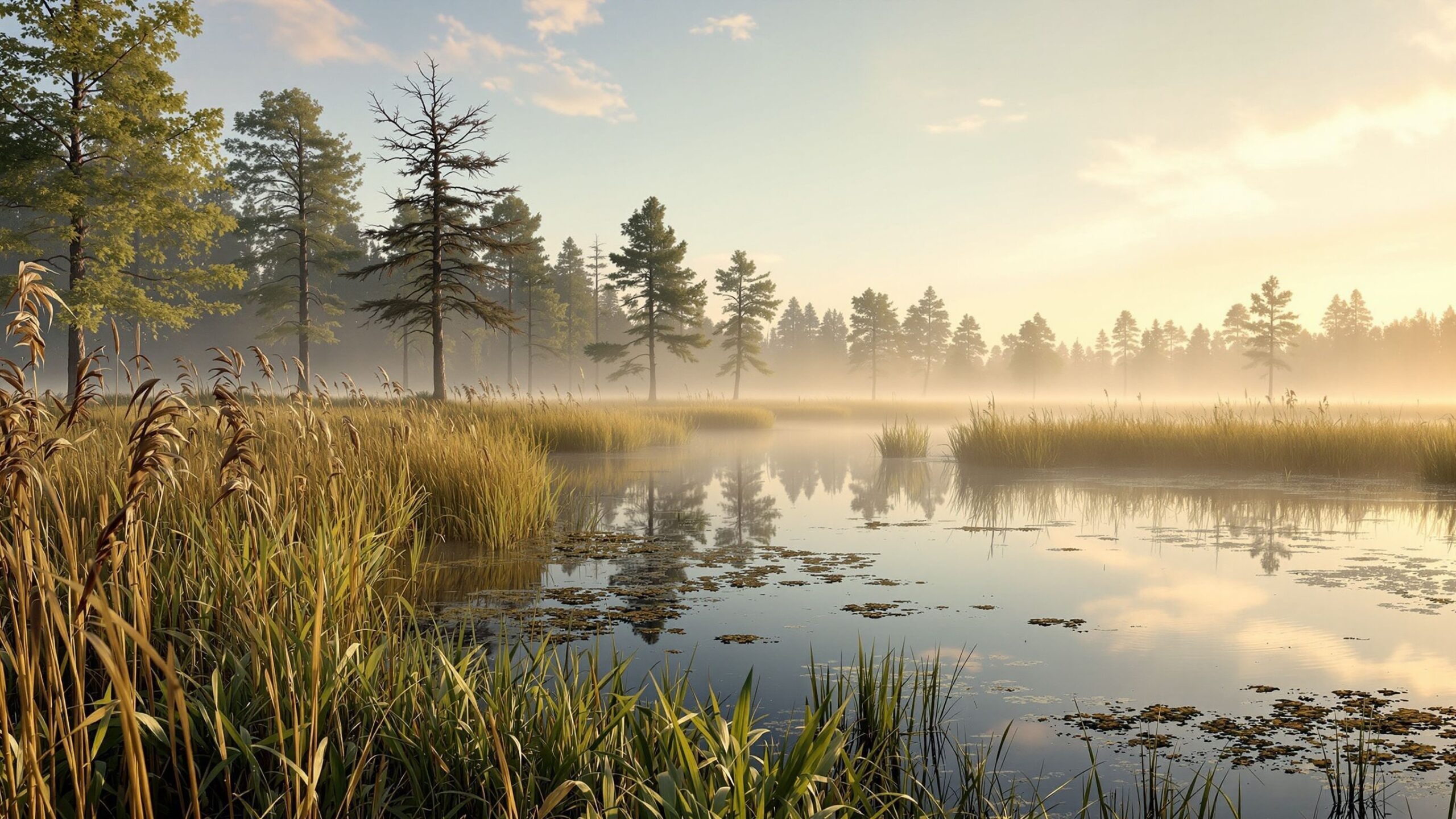
Rivers, lakes, wetlands, and streams are the planet’s lifelines—dynamic freshwater systems that quietly shape climate, ecosystems, and human survival. Though smaller in scale than oceans or forests, freshwater environments play a crucial role in the global carbon cycle. Wetlands, peatlands, and marshes store vast amounts of carbon in waterlogged soils, slowing decomposition and locking away greenhouse gases for centuries. Iconic waterways like the Mississippi River and biodiverse wetlands such as the Everglades demonstrate how freshwater landscapes connect climate, wildlife, and communities.
Healthy freshwater systems filter pollutants, recharge groundwater, regulate floods, and support fisheries and agriculture. They create cooling effects across landscapes and act as natural buffers against extreme weather. Yet pollution, over-extraction, habitat destruction, and rising temperatures threaten these fragile networks—reducing their ability to store carbon and sustain biodiversity.
In this section of Climate Streets, explore how freshwater ecosystems function within the climate system, why wetland restoration matters, and how smart water management strengthens resilience. From quiet ponds to powerful rivers, freshwater systems prove that even the smallest waters can carry enormous climate influence.
A: They filter pollutants, store floodwater, recharge groundwater, and provide wildlife habitat.
A: It alters precipitation, increases drought and floods, and raises water temperatures.
A: Excess nutrients combined with warm, stagnant conditions.
A: Overuse can lower water tables, dry up streams, and reduce long-term supply.
A: Reduce runoff pollution, conserve water, restore wetlands, and protect riparian vegetation.
A: Land adjacent to rivers that periodically floods and absorbs excess water.
A: They alter flow patterns, block migration, and change sediment movement.
A: Many species require specific temperature ranges for survival and reproduction.
A: Yes—wetlands and sediments can trap and store carbon over long periods.
A: Conserve water, limit fertilizer use, prevent litter, and support watershed restoration.