
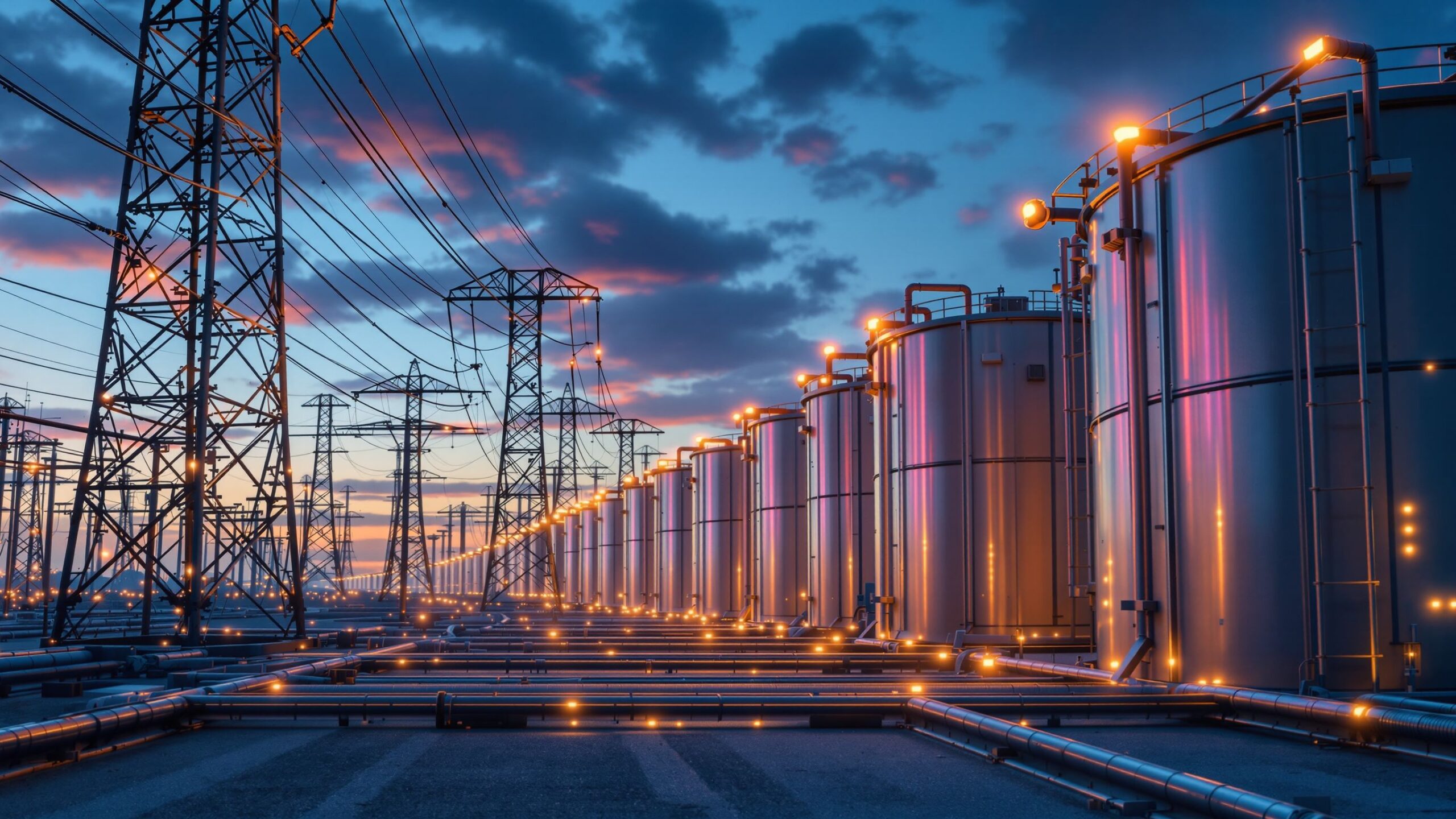
Energy storage and grid innovation are redefining how power moves, adapts, and endures in a rapidly changing world. As renewable energy expands, the real breakthrough isn’t just generating clean electricity—it’s storing it intelligently and delivering it precisely when and where it’s needed. This is where cutting-edge batteries, responsive grids, and digital intelligence come together to transform energy into a dynamic, living system.
From massive battery farms stabilizing entire regions to smart grids that respond instantly to shifting demand, these innovations are building a more flexible and resilient energy future. Power is no longer a one-way flow—it’s an interactive network where homes, businesses, and communities actively participate.
This space explores the technologies and ideas driving that shift, from advanced storage solutions to next-generation grid systems. Whether it’s preventing outages, enabling renewable growth, or empowering local energy independence, energy storage and grid innovation are at the core of modern climate solutions—unlocking a smarter, stronger, and more sustainable world.
A: It is the process of saving electricity or thermal energy for use later when it is more needed or more valuable.
A: Because older grid systems were not built for today’s mix of renewable power, digital controls, distributed energy, and rising electrification.
A: No, storage also includes pumped hydro, thermal storage, compressed air, flow batteries, and other emerging technologies.
A: It uses data, automation, and communication tools to manage electricity more efficiently and reliably.
A: It captures extra power when renewable output is high and releases it later when production falls or demand increases.
A: A microgrid is a local energy network that can often operate with its own generation, storage, and controls, sometimes even during wider grid outages.
A: It is a strategy that shifts or reduces energy use during high-demand periods to support grid balance.
A: Yes, rooftop solar, batteries, smart appliances, EV chargers, and home energy software can all support more flexible grid operation.
A: They can provide backup and balancing over longer time periods when short batteries are not enough.
A: Energy storage and grid innovation make it easier to integrate clean power, improve resilience, and build a more dependable low-carbon energy future.