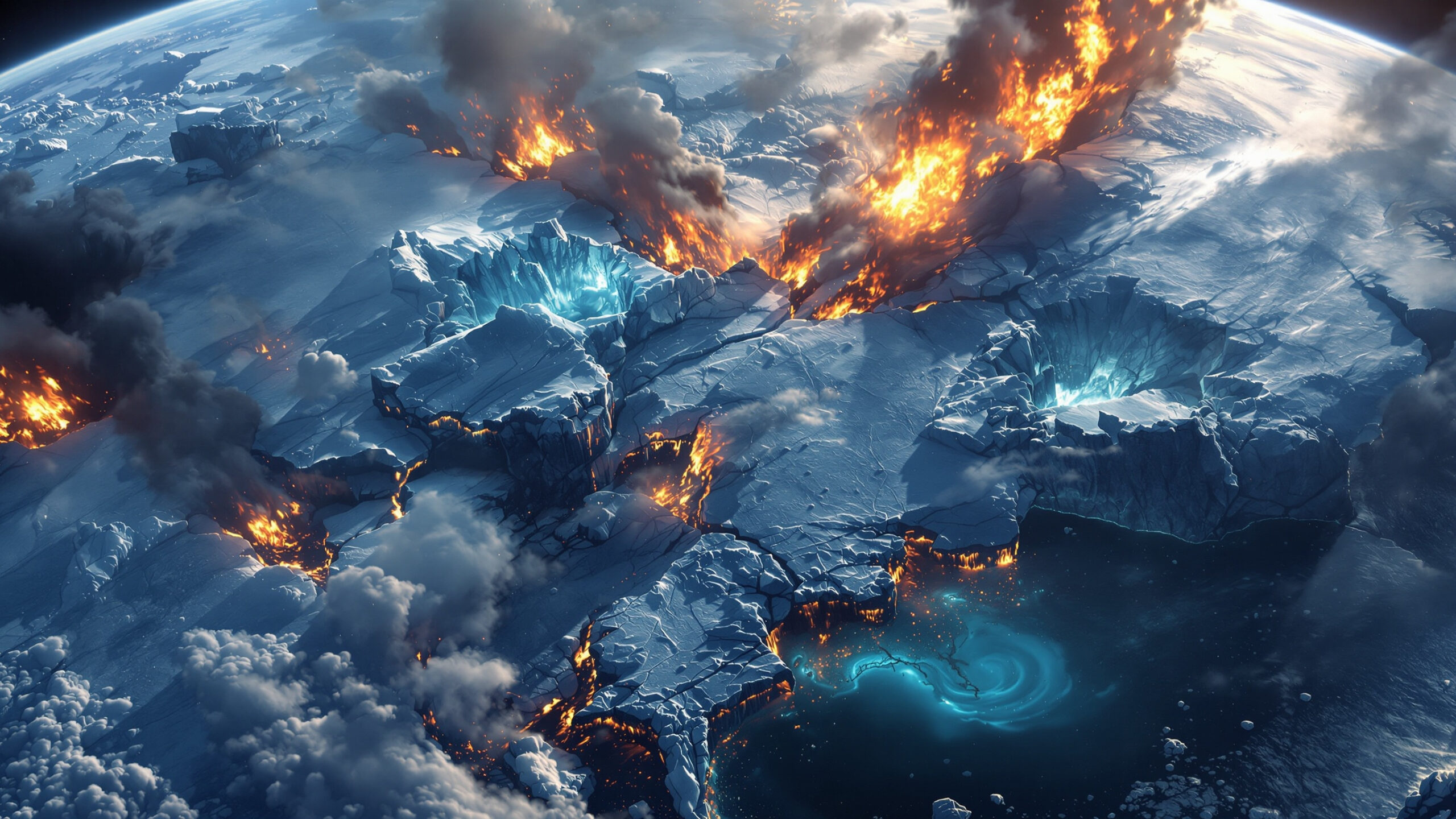
Extreme weather is no longer a rare disruption to otherwise predictable seasons. Storms are growing stronger, heatwaves are lasting longer, and floods are striking with increasing intensity across the globe. These events are not isolated accidents of nature. They are expressions of a climate system that is accumulating more energy and redistributing it in more volatile ways. To understand why extreme weather is intensifying, it is necessary to examine how Earth’s atmosphere, oceans, and land systems respond when excess heat is added to the climate engine.
A: Warmer air holds more water vapor, so storms can convert that moisture into heavier downpours.
A: It usually changes the odds and intensity—loading the dice—rather than creating the weather pattern from scratch.
A: Persistent high-pressure patterns plus hotter baseline temperatures and drier soils can extend heat events.
A: A warmer climate can intensify both: longer dry spells, then heavier rain when storms arrive.
A: They form quickly, can move fast, and can occur far from where rain is falling upstream.
A: The fire itself isn’t weather, but the hot, dry, windy conditions that drive big fires are strongly weather-related.
A: Higher sea levels raise the baseline, so tides and modest storms can flood areas more often.
A: That averages don’t matter—when the baseline shifts, the tail ends of the distribution change a lot.
A: Yes—updated drainage, floodplains, cooling centers, grid upgrades, and building codes reduce risk even as hazards rise.
A: Warmer air and warmer oceans add fuel and moisture, so the same weather setups can hit harder than they used to.
Weather Versus Climate: Setting the Stage
Weather describes short-term atmospheric conditions, while climate reflects long-term patterns. Extreme weather occurs when normal atmospheric processes are pushed beyond typical bounds. Climate change does not create storms, heatwaves, or floods from nothing, but it reshapes the background conditions in which they form. A warmer climate loads the dice, making extreme outcomes more likely, more intense, and more persistent.
A Warmer Atmosphere Holds More Energy
The atmosphere is the primary medium through which weather unfolds. As global temperatures rise, the atmosphere gains energy. Warm air can hold more moisture, expand higher into the atmosphere, and fuel stronger circulation patterns. This added energy does not remain evenly distributed. Instead, it concentrates in specific regions and systems, increasing the intensity of weather events when conditions align.
Heatwaves and the Accumulation of Thermal Stress
Heatwaves are among the most direct consequences of a warming climate. Rising average temperatures shift the baseline upward, meaning extreme heat now starts from a higher point. Atmospheric high-pressure systems can trap warm air over regions for days or weeks, preventing cooling and allowing heat to build. This stagnation intensifies heatwaves, making them hotter, longer-lasting, and more dangerous to human health, ecosystems, and infrastructure.
Soil Moisture and Land Feedbacks in Heat Extremes
Dry soils amplify heatwaves. When soil moisture is depleted, less energy goes into evaporation and more goes directly into heating the air. This creates a feedback loop in which heat dries the land, and dry land intensifies heat. Regions experiencing drought are therefore especially vulnerable to extreme temperature events that escalate rapidly once moisture thresholds are crossed.
Storms Fueled by Heat and Moisture
Storm systems thrive on energy contrasts. Warm air rises, cool air sinks, and moisture provides fuel through latent heat release. As oceans and land surfaces warm, evaporation increases, loading the atmosphere with water vapor. When storms form, this moisture condenses and releases heat, strengthening updrafts and intensifying rainfall and wind speeds. The result is storms with greater destructive potential.
Tropical Cyclones and Ocean Heat
Tropical storms and hurricanes draw their energy directly from warm ocean surfaces. Higher sea surface temperatures allow storms to intensify more rapidly and sustain stronger winds. Warm oceans also enable storms to hold more moisture, increasing rainfall rates. While the total number of storms may not increase dramatically, the proportion of high-intensity storms is rising as ocean heat content grows.
Rapid Storm Intensification
One of the most dangerous trends in extreme weather is rapid intensification, where storms strengthen dramatically over short periods. This occurs when atmospheric conditions align with unusually warm ocean waters. Rapid intensification reduces warning time for coastal communities and emergency systems, increasing the risk of catastrophic damage.
Flooding and the Physics of Heavy Rain
Flooding is closely tied to the atmosphere’s ability to hold moisture. For every degree of warming, the air can retain significantly more water vapor. When weather systems trigger precipitation, that moisture is released in heavier downpours. Rainfall becomes more intense, overwhelming drainage systems, rivers, and soils that cannot absorb water quickly enough.
Slow-Moving Weather Systems
Climate change is also influencing how fast weather systems move. Changes in temperature gradients between the equator and the poles can weaken large-scale atmospheric circulation patterns. This can cause storms to stall over regions, delivering prolonged rainfall or extended heat. Slow-moving systems are especially damaging because they concentrate impacts over the same area for longer periods.
Flood Risk in Urban and Natural Landscapes
Urbanization compounds flood risk. Impermeable surfaces such as roads and buildings prevent water from soaking into the ground, accelerating runoff. In natural landscapes, deforestation and soil degradation reduce the land’s capacity to absorb rainfall. When extreme precipitation strikes, these altered surfaces increase the likelihood of flash floods and river overflow.
Atmospheric Rivers and Extreme Precipitation
Atmospheric rivers are narrow bands of concentrated moisture that transport vast amounts of water vapor across the atmosphere. As the climate warms, these systems are carrying more moisture and producing more intense rainfall when they make landfall. Atmospheric rivers are now responsible for some of the most extreme flood events, delivering months’ worth of rain in just a few days.
Cold Extremes in a Warming World
Even as the planet warms, cold extremes still occur. Climate change can disrupt atmospheric circulation patterns that normally confine cold air to polar regions. When these patterns weaken or shift, cold air can spill into lower latitudes, producing severe winter storms. These events do not contradict global warming; they reflect a destabilized climate system struggling to redistribute energy efficiently.
Jet Stream Disruption and Weather Extremes
The jet stream plays a critical role in steering weather systems. As the Arctic warms faster than lower latitudes, the temperature contrast that drives the jet stream weakens. This can cause the jet stream to become more wavy and sluggish, leading to persistent weather patterns. These disruptions are linked to prolonged heatwaves, cold snaps, and heavy precipitation events.
Droughts and the Intensification of Dry Extremes
Droughts are intensifying not only because of changes in precipitation but also because higher temperatures increase evaporation. Even in regions where rainfall remains steady, warmer conditions dry soils and vegetation more quickly. This creates longer and more severe droughts that stress water supplies, agriculture, and ecosystems.
Wildfires as an Extreme Weather Outcome
Wildfires are closely linked to heat, drought, and vegetation dryness. Rising temperatures lengthen fire seasons and increase the flammability of landscapes. Once fires ignite, they can generate their own weather conditions, including strong winds and fire-driven storms. Wildfires are both a consequence of extreme weather and a contributor to further climate change through carbon emissions.
Compound and Cascading Extremes
Extreme weather events increasingly occur in combination. Heatwaves followed by heavy rainfall can increase flood risk. Droughts followed by intense storms can trigger landslides. These compound events magnify damage and complicate response efforts. Cascading extremes reflect a climate system under stress, where one disruption increases vulnerability to the next.
Human Vulnerability and Exposure
The intensification of extreme weather is amplified by human exposure. Growing populations, coastal development, and urban expansion place more people and infrastructure in harm’s way. Vulnerability is uneven, with marginalized communities often facing the greatest risks and having the fewest resources to recover.
Learning from Climate History
Earth’s climate history shows that periods of rapid warming have been associated with increased climate instability. Past events reveal how quickly weather patterns can shift when energy balances change. These lessons underscore that extreme weather intensification is a predictable response to a warming world.
Predictability and Preparedness
While individual weather events cannot be predicted far in advance, the trends driving their intensification are well understood. Climate science allows societies to anticipate increased risks and plan accordingly. Preparedness, resilient infrastructure, and early warning systems can reduce harm even as extremes grow more severe.
Why Extreme Weather Will Continue to Change
As long as the climate continues to warm, the forces intensifying extreme weather will persist. Heat, moisture, and energy will remain elevated in the atmosphere and oceans, fueling stronger events. Stabilizing the climate requires addressing the underlying drivers of warming rather than reacting only to its symptoms.
Understanding the New Normal
Extreme weather is becoming a defining feature of the modern climate. Storms, heatwaves, and floods are not anomalies but indicators of a system adjusting to excess heat. Recognizing this shift is essential for adapting to present risks and limiting future impacts.
A Climate Signal We Cannot Ignore
The intensification of extreme weather is one of the clearest signals of a changing planet. It reflects fundamental changes in how energy moves through Earth’s climate engine. Understanding these processes empowers societies to make informed choices about mitigation, adaptation, and resilience in an increasingly volatile world.