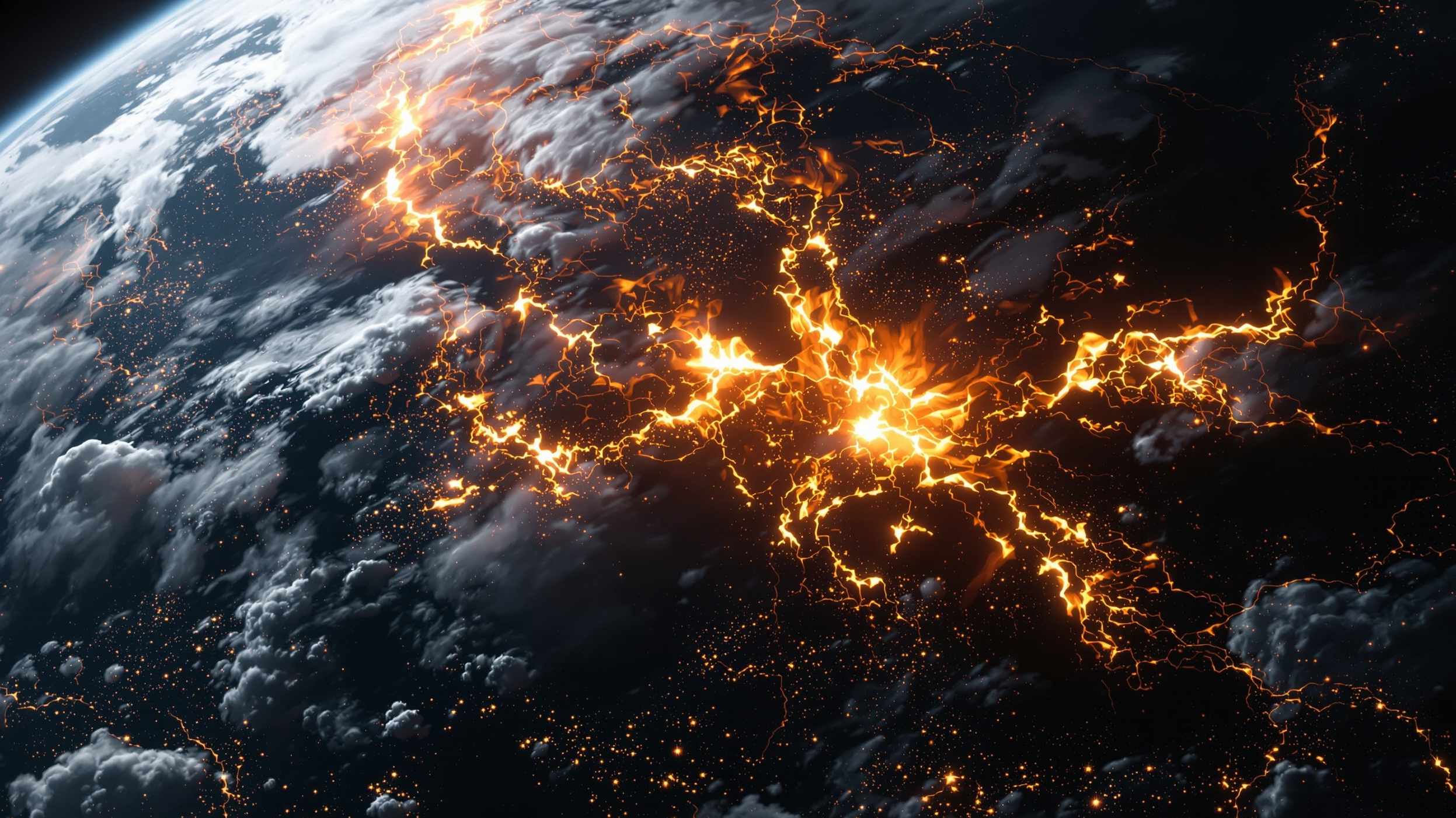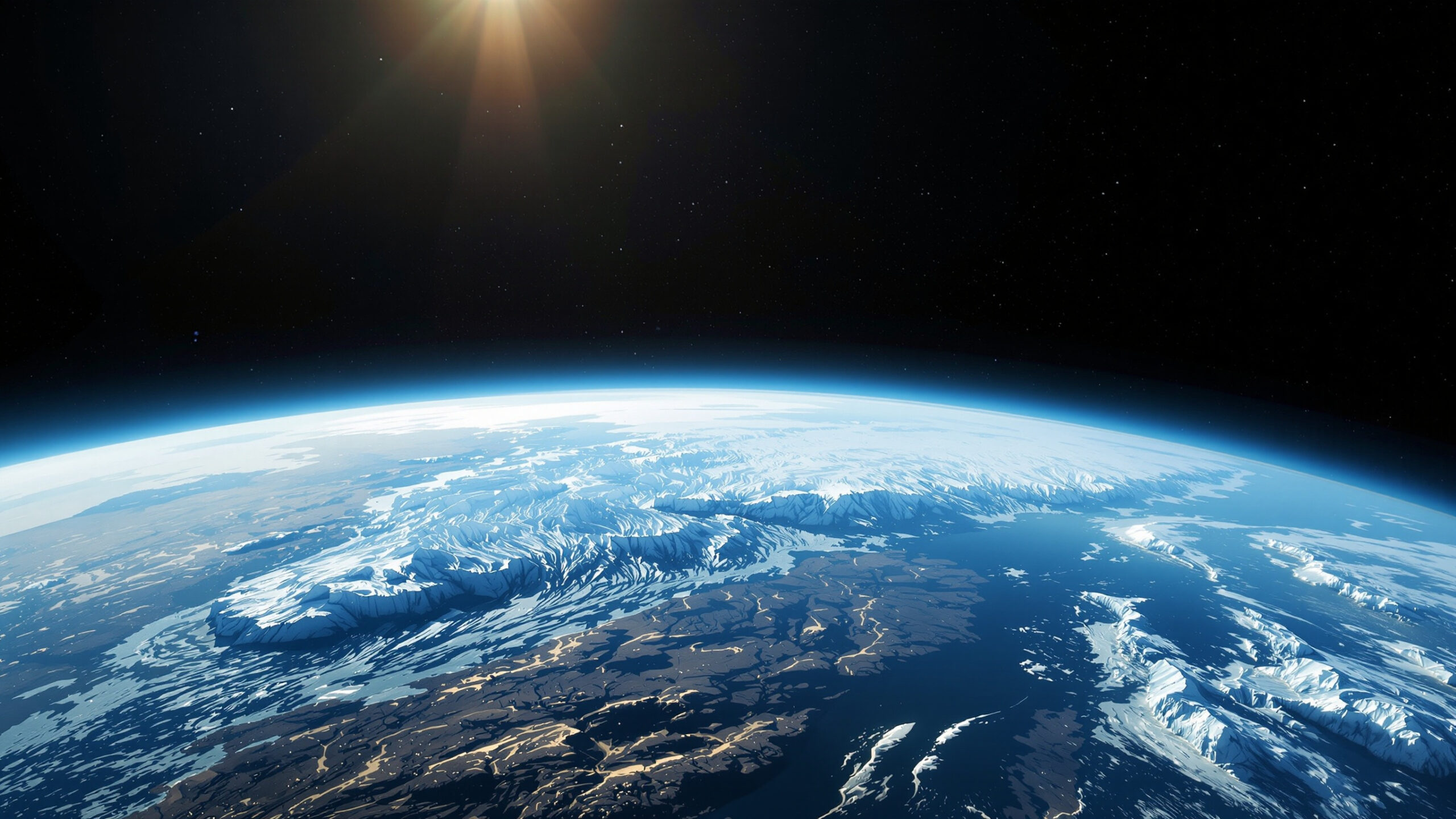
Earth’s climate has never been static. Over millions of years, the planet has warmed and cooled in response to natural forces that operate on predictable rhythms. At the same time, the modern climate is changing in ways that are faster, more widespread, and closely tied to human activity. Understanding the difference between natural climate cycles and human-driven change is essential for interpreting what is happening today—and why the current moment is fundamentally different from the past.
A: Because multiple indicators (heat in oceans, greenhouse fingerprints, observed gas increases) match human forcing better than natural drivers alone.
A: Past changes happened, but today’s greenhouse gas rise is much faster and aligns with observed warming patterns and energy imbalance.
A: Solar changes influence climate, but the modern pattern (including stratospheric cooling) is inconsistent with solar-only warming.
A: Natural variability—especially ocean cycles—moves heat around, creating short-term spikes and dips around the trend.
A: No—volcanoes mainly cause short-term cooling from aerosols, not sustained warming.
A: They can offset some warming regionally and temporarily, but greenhouse gases are longer-lived and dominate long-term trends.
A: Because most extra heat goes into the ocean, making ocean heat content a strong indicator of long-term forcing.
A: They can cause brief cooling, but sustained cooling would require removing the underlying greenhouse forcing.
A: The planet is trapping more heat (ocean heat rises) while the stratosphere cools—classic greenhouse fingerprints.
A: Natural variability still shapes your weather, but reducing human-driven warming lowers the baseline risk for extremes and long-term impacts.
Climate Change as a Natural Feature of Earth
Natural climate change is built into Earth’s system. Variations in the planet’s orbit, shifts in atmospheric composition, volcanic activity, and changes in ocean circulation have all shaped climate throughout geological history. These forces explain ice ages, warm periods, and long-term transitions that occurred long before industrial society existed. Natural cycles demonstrate that climate responds to physical drivers, but they also reveal how slowly most of these changes typically unfold.
Orbital Cycles and Ice Ages
One of the most important natural drivers of long-term climate change is Earth’s orbital variation around the Sun. Subtle changes in the planet’s tilt, wobble, and orbital shape alter how solar energy is distributed across the globe. Over tens of thousands of years, these cycles have triggered the advance and retreat of massive ice sheets. Ice ages did not begin suddenly; they developed gradually as energy balances shifted over millennia.
Solar Variability and Climate Influence
The Sun is the ultimate source of Earth’s energy, and small variations in solar output do affect climate. Periods of slightly reduced solar activity have been linked to modest cooling episodes in the past. However, satellite measurements show that solar energy reaching Earth has not increased in a way that explains modern warming. Natural solar cycles operate over decades and centuries and produce relatively small temperature changes compared to what is observed today.
Volcanic Activity and Temporary Cooling
Volcanoes influence climate by injecting particles and gases into the atmosphere. Large eruptions can release sulfur-rich aerosols that reflect sunlight, temporarily cooling the planet for a few years. While volcanoes also emit carbon dioxide, their long-term contribution to atmospheric carbon is small compared to human emissions. Volcanic cooling events are short-lived and cannot explain sustained global warming trends.
Ocean Circulation and Natural Variability
The oceans redistribute heat around the planet and naturally fluctuate over time. Changes in ocean circulation can cause regional warming or cooling and influence rainfall patterns for decades. These variations help explain why some periods are warmer or cooler than others even without external forcing. However, ocean-driven variability rearranges heat rather than creating new energy in the system.
How Natural Cycles Appear in Climate Records
Ice cores, sediment layers, tree rings, and fossils preserve evidence of natural climate cycles. These records show slow rises and falls in temperature and greenhouse gases, often unfolding over thousands of years. Even rapid past climate events typically occurred more slowly than modern change, allowing ecosystems time to migrate and adapt.
The Rise of Human-Driven Climate Change
Human-driven climate change began with the large-scale burning of fossil fuels and widespread land-use change. Coal, oil, and gas release carbon that was stored underground for millions of years, adding it to the atmosphere in just a few centuries. Deforestation reduces the planet’s ability to absorb carbon, further amplifying the effect. These activities introduce a new, powerful forcing into the climate system.
Greenhouse Gases and Energy Imbalance
Human activities increase the concentration of greenhouse gases that trap heat in the atmosphere. This alters Earth’s energy balance by reducing how much heat escapes into space. Unlike natural cycles that redistribute energy, greenhouse gases increase the total amount of energy retained by the planet. This fundamental difference explains why modern warming is global and persistent.
The Speed of Modern Warming
One of the clearest distinctions between natural and human-driven change is speed. Global temperatures today are rising within decades, not thousands of years. Atmospheric carbon dioxide levels have increased far faster than at any time in at least hundreds of thousands of years. This rapid pace leaves little time for ecosystems and societies to adapt.
Spatial Patterns Reveal the Cause
The pattern of modern warming provides strong evidence of human influence. Nights are warming faster than days, winters faster than summers, and the Arctic faster than the rest of the planet. These fingerprints match what physics predicts from greenhouse gas increases and do not align with solar or orbital explanations.
Oceans as Witnesses to Change
The oceans have absorbed most of the excess heat added to the climate system. This heat accumulation cannot be explained by natural variability alone. Measurements show a long-term, steady increase in ocean heat content, confirming that Earth is gaining energy rather than simply shifting it around.
Natural Cycles Still Exist Today
Natural climate cycles have not stopped operating. Short-term cooling or warming periods still occur due to volcanic eruptions, ocean patterns, or solar variation. These natural fluctuations can temporarily mask or enhance warming but do not reverse the underlying trend driven by greenhouse gases.
Why Natural Cycles Cannot Explain Today’s Trends
When scientists account for all known natural factors, they find that these forces alone would have produced little or even slight cooling in recent decades. Only when human emissions are included do models match observed warming. This convergence across multiple lines of evidence is one of the strongest conclusions in climate science.
Feedbacks Amplify Human-Driven Change
Human-driven warming activates natural feedbacks that further amplify change. Melting ice reduces reflectivity, thawing permafrost releases carbon, and warming oceans emit stored gases. These processes are natural, but they are being triggered by human influence, accelerating climate change beyond direct emissions alone.
Why the Distinction Matters
Confusing natural cycles with human-driven change leads to dangerous misunderstandings. If warming were purely natural, it would eventually reverse on its own. Human-driven change continues as long as emissions persist and can push the climate system toward irreversible thresholds. Recognizing the difference clarifies why action matters.
Lessons From Earth’s Past
Earth’s history shows that climate sensitivity is high. Small changes in greenhouse gases have driven large climate shifts before, but those changes unfolded slowly. Today’s rapid increase in greenhouse gases is recreating similar conditions at unprecedented speed, raising the risk of abrupt and irreversible impacts.
The Role of Human Choice
Natural cycles operate beyond human control. Human-driven climate change does not. Emissions, land use, and energy choices determine how much additional warming occurs. While some change is already locked in, future outcomes remain strongly influenced by decisions made now.
A Climate System Under Dual Forces
Today’s climate is shaped by both natural variability and human influence. Natural cycles continue to add short-term ups and downs, but the long-term trajectory is dominated by greenhouse gas forcing. Ignoring one while focusing on the other leads to incomplete understanding.
Why Science Is Clear on the Cause
Multiple independent observations—satellites, ocean measurements, ice cores, and climate models—tell the same story. Natural factors alone cannot explain current warming. Human activities provide the missing driver that aligns theory with reality.
Understanding the Difference Shapes the Future
Distinguishing natural climate cycles from human-driven change is not about denying Earth’s dynamic history. It is about recognizing that the current phase is different in origin, speed, and risk. This understanding empowers societies to respond with clarity rather than confusion.
A Planet Responding to Us
Earth’s climate has always changed, but never before has a single species altered it so rapidly. Natural cycles continue their slow rhythms, while human-driven forces now dominate the direction of change. The climate we experience in the coming decades will reflect how these two influences interact—and how humanity chooses to shape its role within them.