
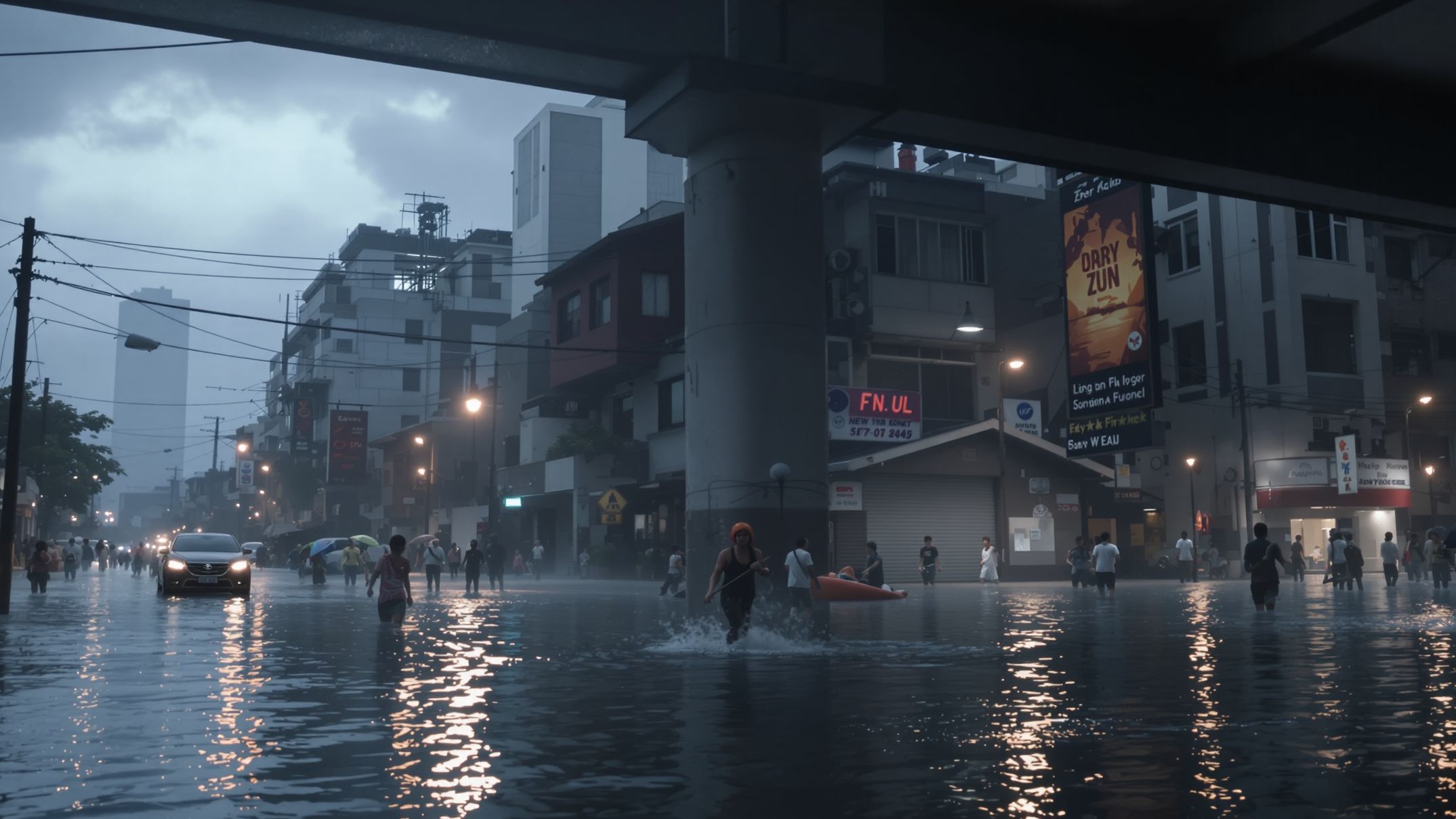
Climate change doesn’t impact everyone equally—and its risks often fall hardest on those with the fewest resources. Economic Inequality & Climate Risk explores how financial vulnerability, housing conditions, access to healthcare, and geographic location shape who is most exposed to environmental threats. From low-income communities facing higher flood risks to workers in climate-sensitive industries navigating uncertain futures, the intersection of inequality and climate is both urgent and deeply human. This space examines how rising costs, disrupted livelihoods, and limited access to adaptation tools widen existing gaps, while also highlighting the policies, innovations, and grassroots efforts working to close them. It brings attention to environmental justice, equitable resilience planning, and the need for inclusive solutions that protect everyone—not just those with the means to adapt. Here, climate risk becomes a lens for understanding fairness, opportunity, and the path toward a more balanced and resilient society.
A: It influences exposure, preparedness, and recovery, often making lower-income communities more vulnerable.
A: Housing affordability, location, and infrastructure can place people in higher-risk areas.
A: Safe, well-built housing can protect against extreme weather and reduce health risks.
A: By targeting resources, improving access to services, and involving communities in decision-making.
A: It focuses on ensuring fair treatment and support for all people affected by climate change.
A: Yes, through job creation, infrastructure investment, and community development.
A: It helps people prepare for and respond to climate risks effectively.
A: Social services, financial aid, healthcare, and community networks all play a role.
A: It can disrupt industries, especially those dependent on stable environmental conditions.
A: Reducing inequality is essential to building fair, effective, and lasting climate resilience.