
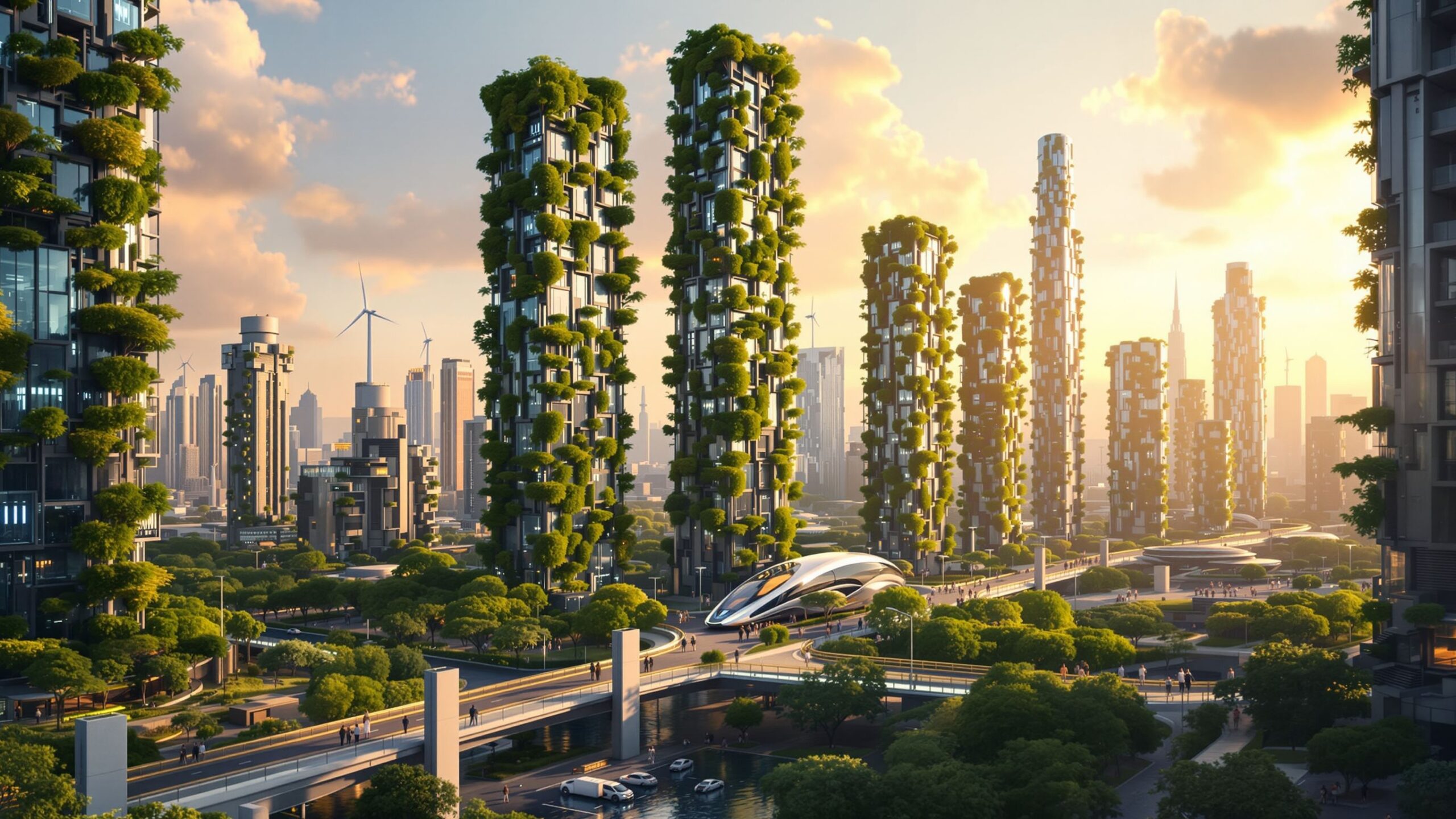
Cities are where the future of climate action will be won or lost—and where innovation is already reshaping how we live, move, and build. Future Cities & Infrastructure explores the bold transformation of urban spaces as they adapt to a changing climate while striving for sustainability, resilience, and livability. From smart grids and green buildings to climate-resilient transportation and nature-integrated design, this is where visionary planning meets real-world impact.
This space dives into how cities are preparing for rising temperatures, extreme weather, and growing populations through forward-thinking infrastructure. It uncovers the technologies, policies, and design philosophies driving the next generation of urban environments—from carbon-neutral districts to flood-resistant coastlines and energy-efficient transit systems. These are not distant ideas, but rapidly evolving realities shaping communities across the globe.
Step into Future Cities & Infrastructure and discover how urban landscapes are being reimagined—where resilience is built into every street, and the cities of tomorrow begin taking shape today.
A: Strong infrastructure, climate resilience, efficient mobility, reliable services, and equitable access all matter.
A: Because energy, water, transport, and buildings shape both emissions and vulnerability.
A: It uses natural systems like trees, wetlands, and permeable spaces to support urban resilience.
A: Not automatically; technology helps, but planning and equity determine whether outcomes improve.
A: With shade, reflective materials, cooler buildings, more trees, and targeted support for vulnerable residents.
A: It lowers congestion, cuts emissions, improves access, and supports more efficient land use.
A: It is a localized energy system that can operate independently during wider grid disruptions.
A: They are often fragile, inefficient, and poorly suited to modern weather extremes and population demands.
A: Yes. Parks, transit corridors, shade networks, and upgraded housing can do both.
A: Aligning long-term vision with funding, politics, public support, and the urgency of climate risk.