


Global Climate Agreements
Global climate agreements are where the future of the planet is negotiated, debated, and ultimately shaped. They bring together nations with vastly different economies, priorities, and vulnerabilities under a shared mission: to confront climate change on a global scale. From landmark treaties to evolving frameworks, these agreements set the rules, targets, and accountability systems that guide how countries reduce emissions, protect ecosystems, and invest in a sustainable future. But behind

National Climate Strategies
National climate strategies are where global ambition becomes real-world action. While international agreements set the stage, it’s at the national level that policies take shape, budgets are allocated, and measurable change begins. Each country crafts its own path—balancing economic growth, energy needs, political priorities, and environmental responsibility. These strategies define how nations reduce emissions, transition to clean energy, protect communities, and adapt to a changing climate. From carbon pricing systems

Carbon Markets & Pricing
Carbon markets and pricing systems are where climate action meets economics in its most tangible form. Instead of treating emissions as invisible costs, these mechanisms assign a real financial value to carbon—turning pollution into something that must be accounted for, traded, and reduced. Whether through carbon taxes or cap-and-trade systems, governments and industries are incentivized to cut emissions, invest in cleaner technologies, and rethink how energy and resources are used.

Corporate Climate Accountability
Corporate climate accountability is where promises meet proof. As businesses play an increasingly powerful role in shaping global emissions, they are under growing pressure to measure, disclose, and reduce their environmental impact in transparent and meaningful ways. No longer is it enough to pledge sustainability—companies are expected to track carbon footprints, set science-based targets, and demonstrate real progress toward net-zero goals. Investors, regulators, and consumers are all demanding clearer data

Climate Finance & Investment
Climate finance and investment are the engines powering the transition from ambition to action. Behind every renewable energy project, resilient infrastructure upgrade, or breakthrough clean technology lies a flow of capital shaping what becomes possible. Governments, private investors, development banks, and global institutions are all mobilizing funds to address one of the greatest challenges—and opportunities—of our time. Climate finance is not just about funding solutions; it’s about redefining risk, value,
Energy Policy & Transition
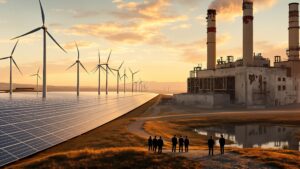
Energy policy and transition sit at the heart of the global climate shift—where decisions about power, infrastructure, and resources redefine how societies function. As nations move away from fossil fuels toward cleaner, more sustainable energy systems, policy becomes the guiding force that shapes speed, scale, and direction. Governments design frameworks that influence everything from renewable energy adoption and grid modernization to energy security and affordability. These policies determine how quickly

Climate Law & Regulation
Climate law and regulation are where ambition becomes enforceable action. While policies and pledges set direction, legal frameworks create the rules, standards, and consequences that ensure progress actually happens. Governments around the world are building complex systems of laws that govern emissions, energy use, environmental protection, and corporate responsibility—turning climate goals into binding obligations. These regulations shape how industries operate, how infrastructure is developed, and how environmental risks are managed

Political Movements & Influence
Political movements and influence are the driving forces that turn climate awareness into collective action. Beyond policies and agreements, it is people—activists, voters, organizations, and grassroots campaigns—who push climate issues into the spotlight and demand change from those in power. These movements shape public opinion, influence elections, and pressure governments and corporations to act with greater urgency and accountability. From global climate strikes to local advocacy efforts, they amplify voices

International Climate Tensions
International climate tensions reveal the fault lines beneath global cooperation. While climate change is a shared challenge, nations approach it from vastly different positions—shaped by history, economics, energy dependence, and vulnerability to climate impacts. These differences often lead to friction over responsibility, funding, and timelines for action. Developing countries may demand greater financial support and flexibility, while wealthier nations face pressure to lead with deeper emissions cuts and technological investment.