
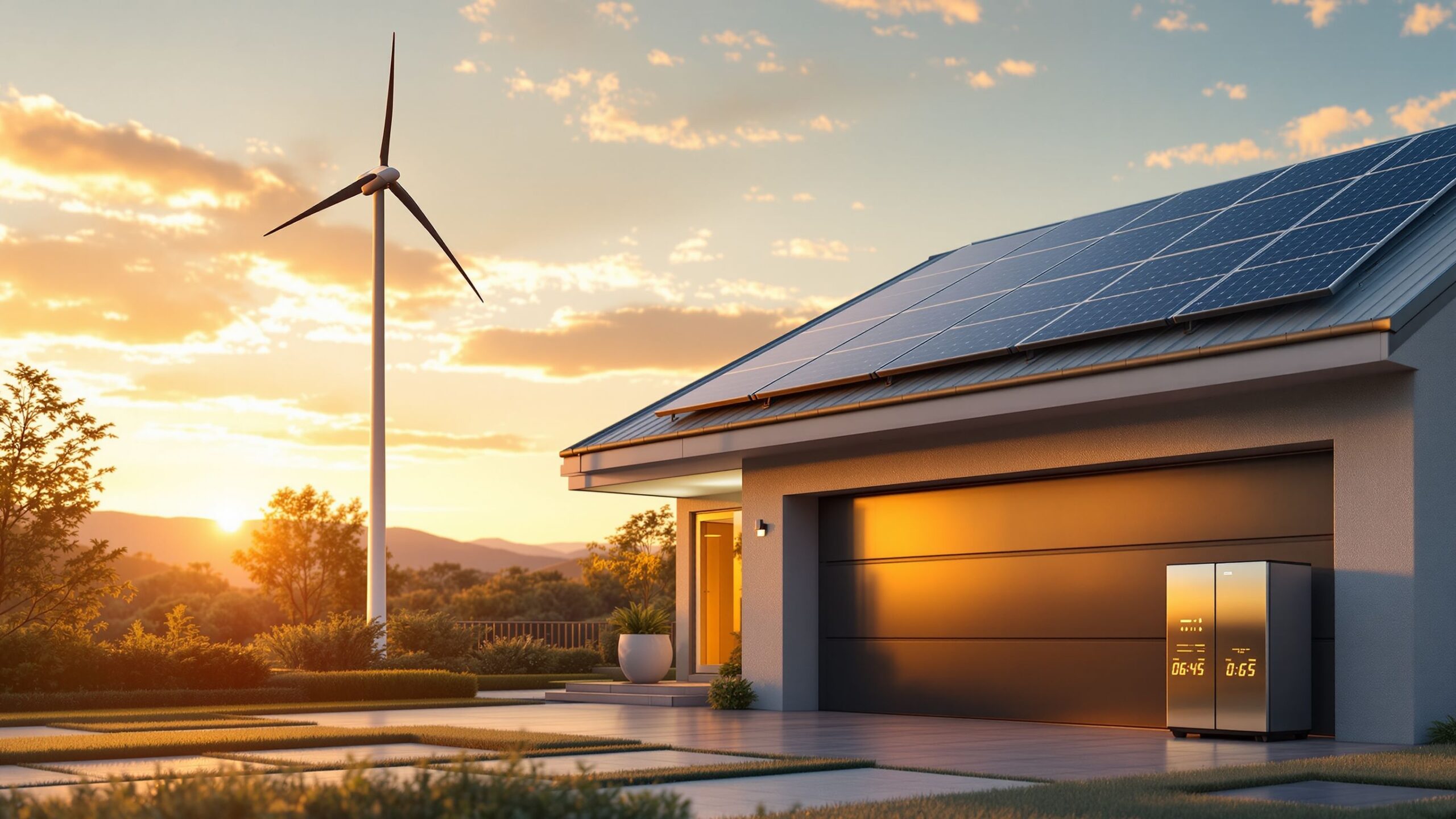
Power your world with resilience, independence, and forward-thinking energy solutions. Solar, Wind & Backup Power Gear represents the cutting edge of personal energy freedom—where clean generation meets reliable performance in every condition. From rooftop solar panels capturing the sun’s endless potential to compact wind turbines harnessing moving air, and backup battery systems that keep your home running when the grid goes down, these technologies redefine what it means to stay powered. This is where sustainability becomes practical, giving you the ability to reduce reliance on traditional energy sources while increasing security and control. Whether you’re building a fully off-grid setup, adding emergency preparedness to your home, or simply optimizing your energy mix, the right gear can make all the difference. On this page, explore expert reviews, in-depth comparisons, and real-world insights into the tools shaping tomorrow’s energy landscape. Because true energy confidence isn’t just about having power—it’s about generating it, storing it, and owning it.
A: Backup power focuses on keeping electricity available during outages, while renewable power focuses on generating energy from sources like sun or wind.
A: Usually not by themselves; many systems need battery storage or backup controls to provide power during outages.
A: Batteries are quieter and cleaner at the point of use, while generators can often run longer if fuel is available.
A: Some can, but it depends on the refrigerator’s startup demand and the power station’s output capacity.
A: Not always; they work best in locations with strong, consistent wind and enough open space.
A: It is the device that converts stored or generated electricity into the form needed for household use.
A: Focus on essentials like refrigeration, medical devices, lighting, heating equipment, charging, and communications.
A: In many setups, yes—it improves safety and helps prevent dangerous power backfeed.
A: Use efficient appliances, limit unnecessary loads, and prioritize only the most important circuits.
A: Understand your home’s critical loads and reduce waste so you can size the system more effectively.