
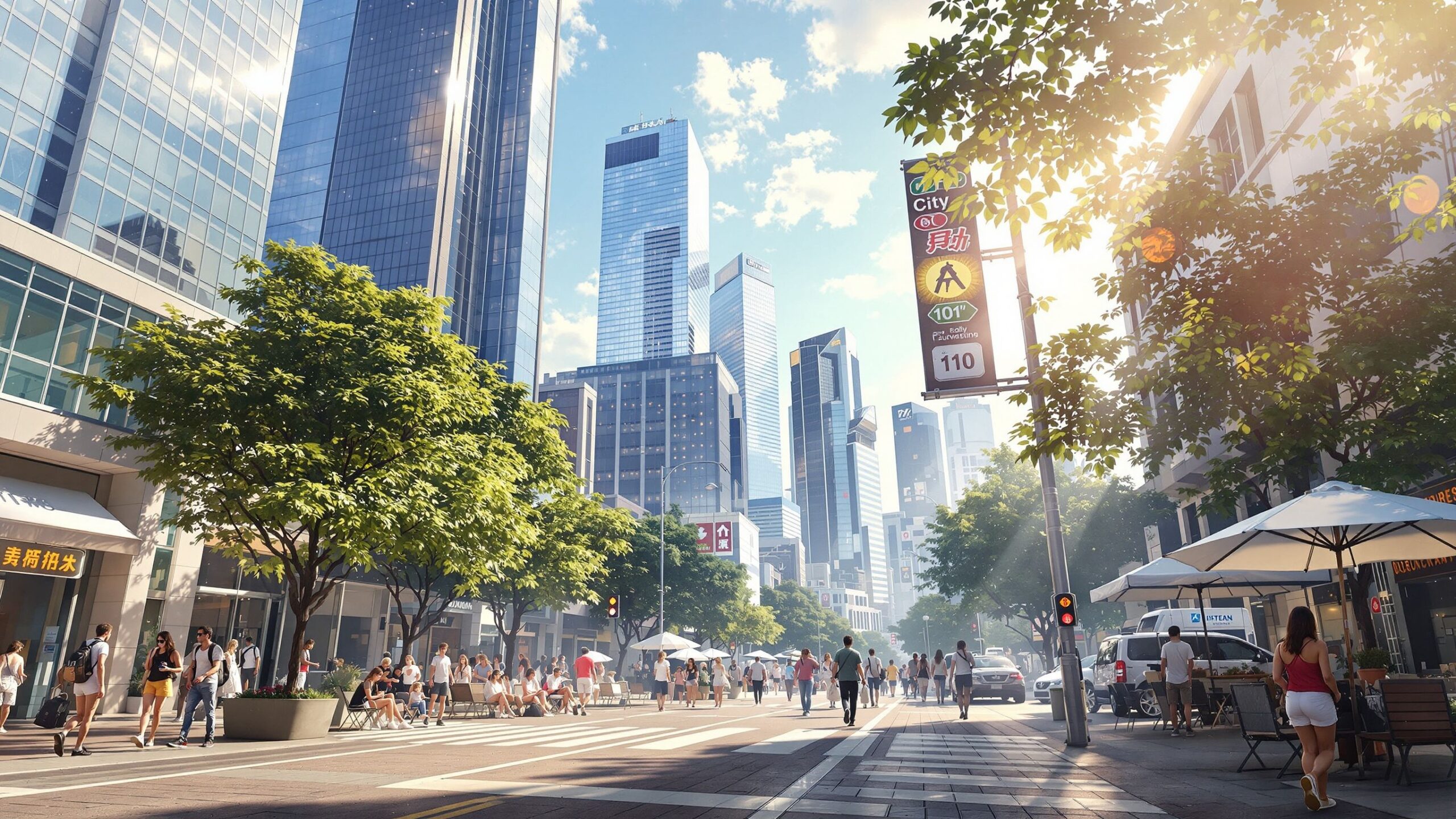
Cities are living systems — dense, energetic, and increasingly on the front lines of climate change. Welcome to Urban Climate Shifts, where we explore how rising temperatures, altered rainfall, and extreme weather uniquely reshape urban environments. Concrete and asphalt amplify heat, creating urban heat islands where nights stay warmer and heatwaves hit harder. Sudden downpours overwhelm drainage systems, while shifting seasons challenge infrastructure, energy demand, and public health. Yet cities are also hubs of innovation and adaptation, pioneering solutions from green roofs and urban forests to climate-resilient design. In this collection, we examine the science behind urban warming, the environmental and social consequences, and the strategies redefining how cities respond. Discover how climate change influences daily urban life — from transportation and housing to air quality and livability. As global temperatures shift, urban landscapes are evolving in ways both visible and subtle. Understanding these changes reveals how the future of climate is, increasingly, the future of cities.
A: A phenomenon where cities experience higher temperatures than nearby rural areas.
A: Built surfaces store daytime heat and release it slowly after sunset.
A: It intensifies heatwaves, flooding, and infrastructure stress.
A: Yes—through trees, reflective materials, and green infrastructure.
A: Impermeable surfaces increase rapid runoff.
A: Reflective roofing materials that reduce heat absorption.
A: They provide shade and evaporative cooling.
A: Vulnerable populations in dense, low-vegetation areas.
A: Urban heat and aerosols can influence precipitation patterns.
A: Integrated planning for heat, water, energy, and equity.