
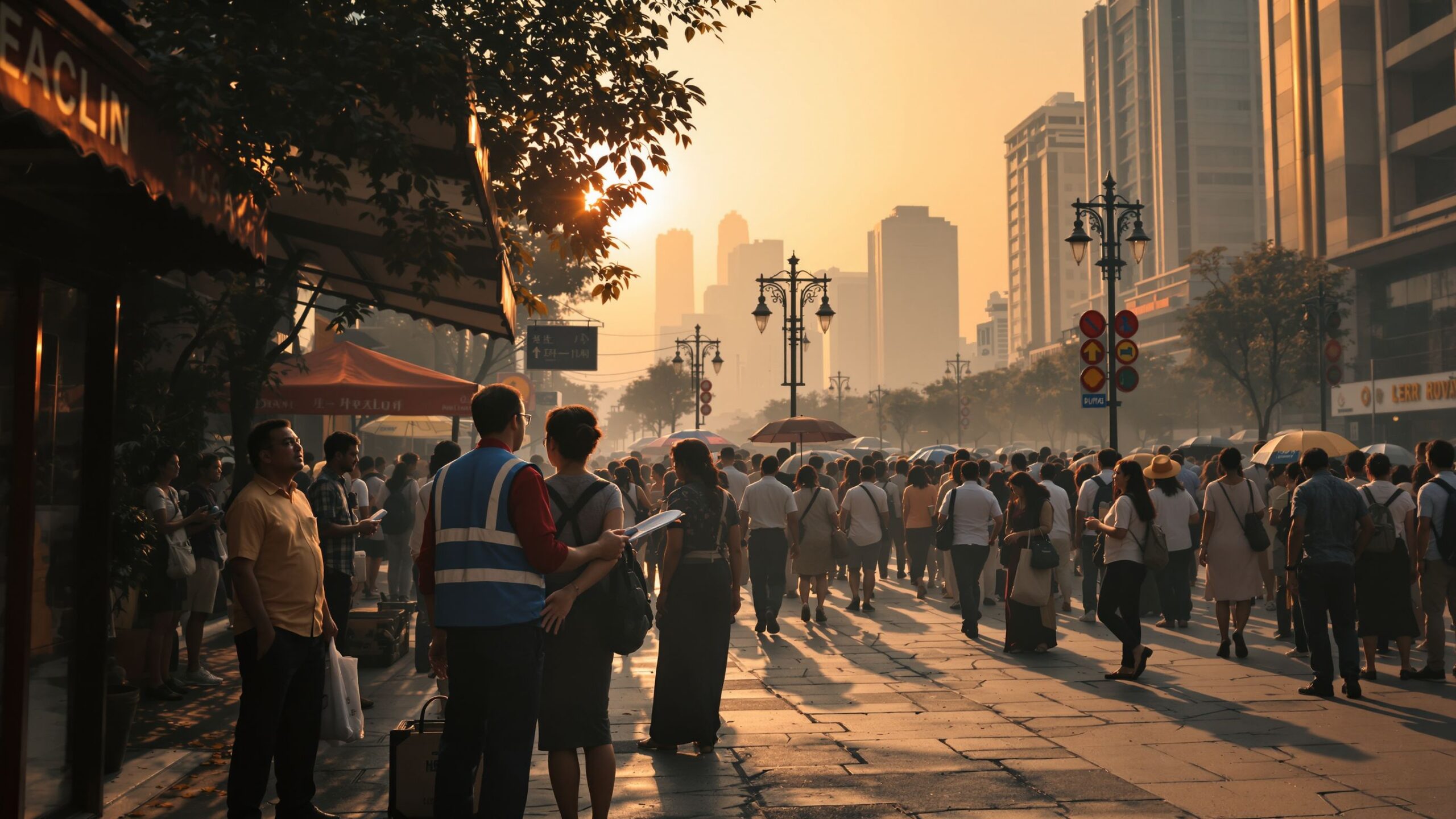
Climate change is no longer a distant environmental issue—it’s a deeply human story unfolding in real time, shaping the way we live, breathe, and stay well. Climate & Public Health explores the powerful connection between a changing planet and the health of communities worldwide. From rising temperatures and extreme weather events to shifting disease patterns and air quality challenges, the effects of climate are showing up in our daily lives in ways both visible and subtle. This space brings together insights, research, and real-world perspectives on how environmental changes influence physical health, mental wellbeing, healthcare systems, and social equity. It also highlights the communities most affected—and the innovative solutions emerging to protect them. Whether it’s understanding heat-related illnesses, tracking the spread of climate-sensitive diseases, or exploring how cities adapt to protect vulnerable populations, this category offers a dynamic, human-centered look at one of the most urgent intersections of our time. Here, science meets society, and awareness becomes action.
A: It can increase risks from heat, smoke, flooding, poor air, disease spread, food disruption, and mental stress.
A: Older adults, children, people with chronic illness, outdoor workers, and under-resourced communities are often at higher risk.
A: Heat can strain the heart, dehydrate the body, worsen illness, and become deadly without quick relief.
A: Yes, smoke can travel long distances and still reduce air quality in distant communities.
A: It means creating homes, systems, and communities that can better withstand and recover from climate stress.
A: Build emergency kits, follow alerts, protect indoor air, stay hydrated, and plan for outages or evacuation.
A: No, many health effects are already happening through heat waves, smoke events, storms, and infrastructure strain.
A: Yes, disasters, displacement, stress, and uncertainty can all affect emotional wellbeing.
A: Shade, clean transit, resilient clinics, drainage systems, safe housing, green space, and emergency communication all help.
A: Learn local heat, air quality, and emergency alerts so action can happen before conditions become dangerous.