
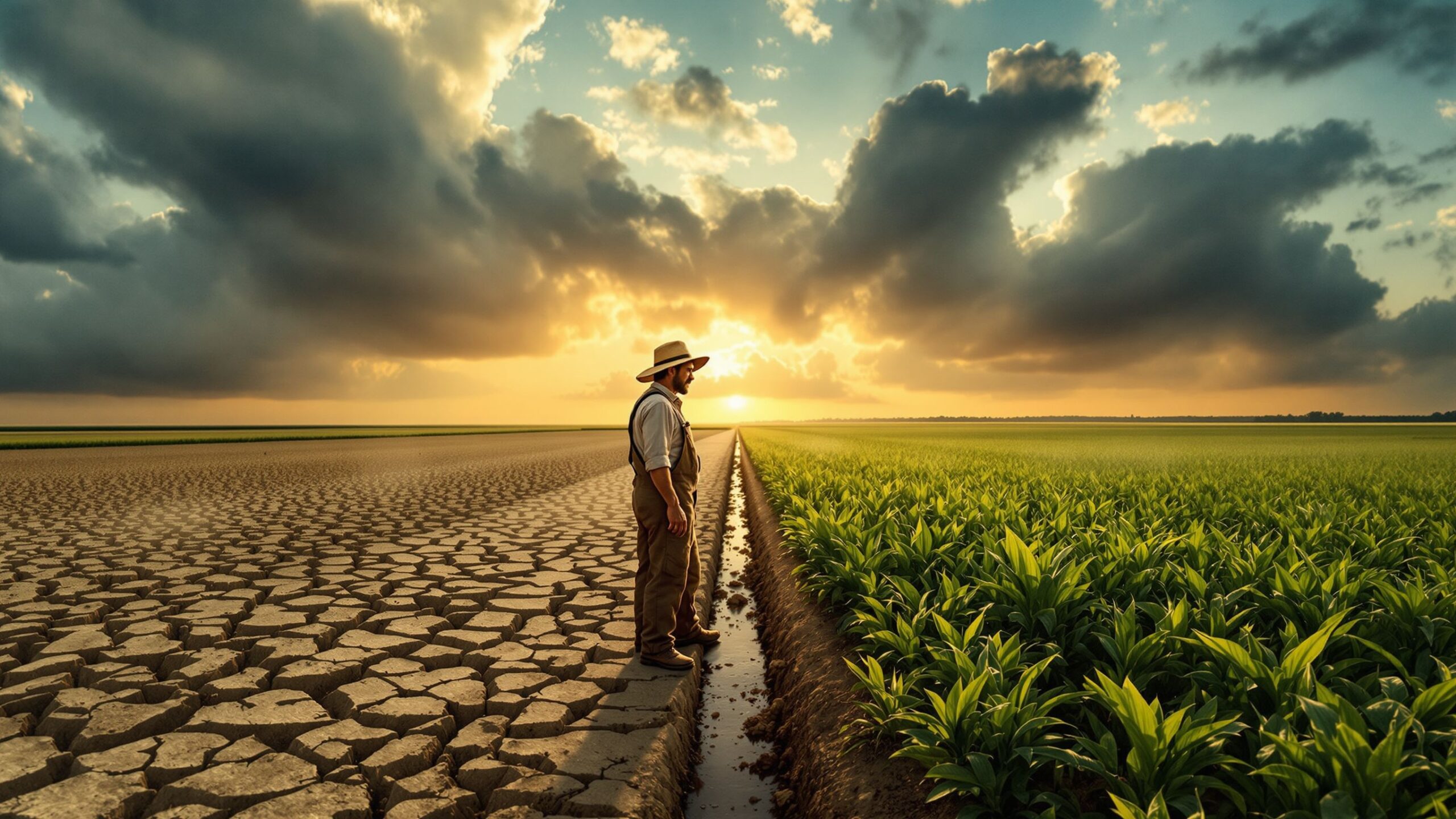
Food is one of the most powerful connections between people and the planet—and in a changing climate, that connection is being reshaped in real time. Food Systems & Agriculture explores how environmental shifts are transforming the way food is grown, distributed, and experienced across the globe. From drought-stressed crops and changing growing seasons to supply chain disruptions and rising food costs, the impacts reach far beyond the farm. This space dives into the complex systems that bring food from soil to table, revealing how climate pressures influence nutrition, food security, rural livelihoods, and global markets. It also highlights the innovation driving the future of agriculture—from regenerative farming and climate-smart practices to urban agriculture and technological breakthroughs. Whether you’re curious about sustainable food choices, resilient farming methods, or the future of feeding a growing population, this category offers a grounded yet forward-looking perspective. Here, the story of food becomes a story of survival, adaptation, and opportunity in a rapidly evolving world.
A: It includes everything from growing and harvesting food to processing, transporting, selling, and consuming it.
A: It can bring heat, drought, flooding, shifting seasons, pest pressure, and supply chain disruption that affect farms and food access.
A: Healthy soil supports roots, stores water, cycles nutrients, and helps farms stay productive over time.
A: It means people have reliable access to enough safe, nutritious, and affordable food.
A: Many crops depend on pollinators to produce fruits, seeds, and stable harvests.
A: Yes, they can strengthen community access, reduce some transport risks, and support regional producers.
A: It refers to strategies that help farms stay productive while adapting to changing conditions and using resources more wisely.
A: Wasted food also wastes land, water, energy, labor, and transport that went into producing it.
A: Efficient irrigation, soil improvement, crop planning, and better water management all help.
A: A resilient food future depends on healthy land, reliable water, smart planning, and strong community connections.