
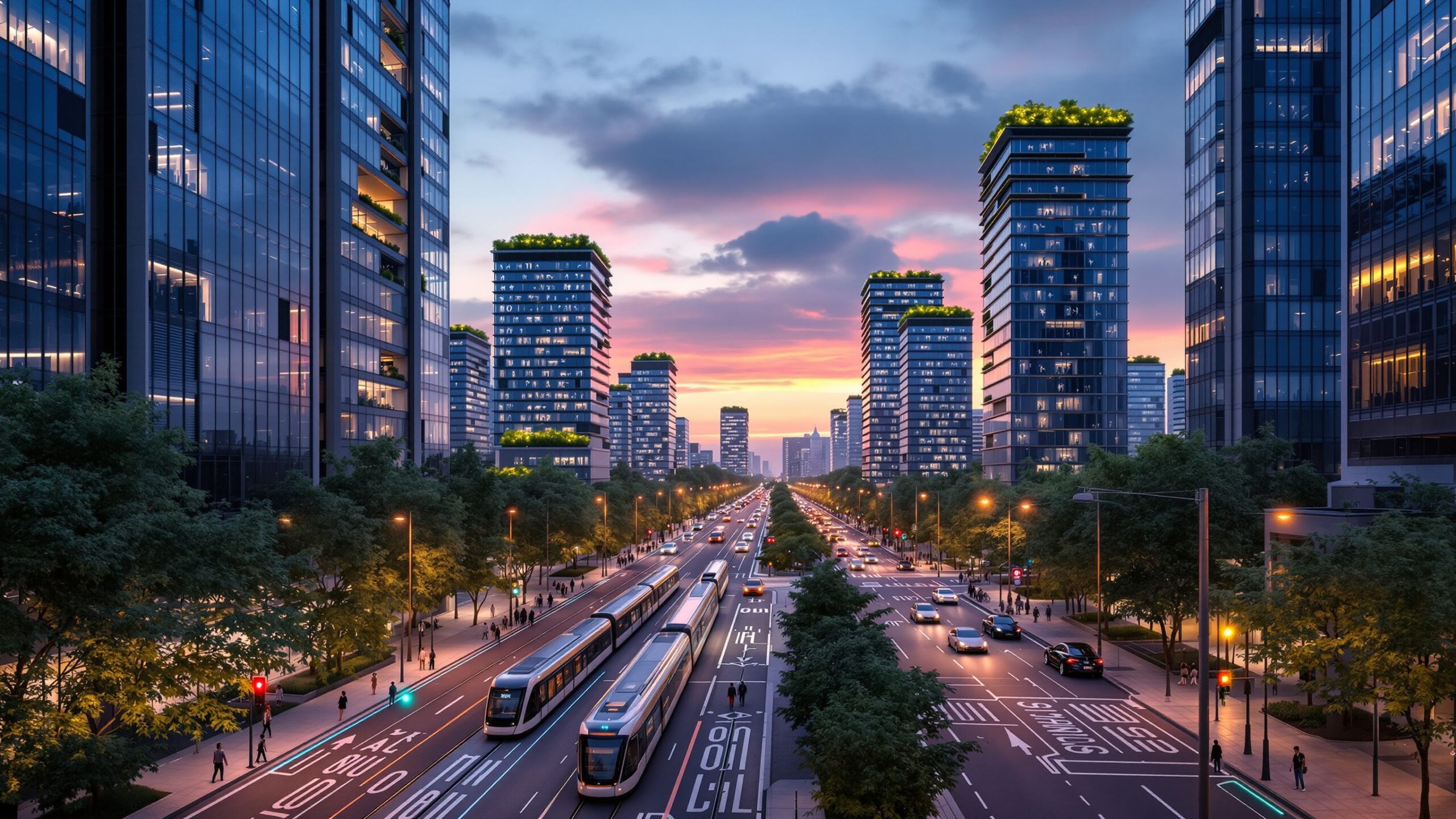
Climate-smart cities are redefining urban life by blending sustainability, resilience, and innovation into the very fabric of how cities are built and lived in. As more people move into urban areas, cities are becoming the frontlines of climate action—places where energy, transportation, infrastructure, and community design must evolve together. These cities are not only reducing emissions but also preparing for a future shaped by rising temperatures, extreme weather, and shifting environmental conditions.
From green buildings and renewable-powered neighborhoods to intelligent transit systems and climate-responsive infrastructure, climate-smart cities are designed to adapt and thrive. Urban planners and innovators are integrating nature into cityscapes through green roofs, urban forests, and water-sensitive design, helping cool environments and manage resources more effectively. At the same time, digital technologies and data-driven systems are optimizing everything from traffic flow to energy use in real time.
This space explores the ideas, strategies, and innovations shaping climate-smart cities worldwide. As urban centers grow, these solutions are key to creating healthier, more efficient, and more resilient communities for generations to come.
A: It is a city designed to reduce emissions, adapt to climate risks, and improve livability.
A: Cities concentrate population, energy use, and infrastructure, making them key areas for climate action.
A: Cleaner transit, walkability, and reduced car dependence lower emissions significantly.
A: It includes parks, trees, green roofs, and natural systems that support environmental resilience.
A: Yes, through retrofits, planning updates, and infrastructure improvements.
A: Smart systems improve efficiency, monitoring, and decision-making across city operations.
A: Initial costs may be higher, but long-term savings and resilience benefits can offset them.
A: Improved air quality, mobility, green space, and overall quality of life.
A: Funding, policy alignment, infrastructure upgrades, and community engagement are key hurdles.
A: Cities are central to reducing emissions, improving resilience, and shaping sustainable futures at scale.