

The oceans and the frozen regions of Earth form a powerful, tightly linked system that regulates climate, stores heat, and shapes planetary stability. Ocean currents act as vast conveyors, moving warmth from the equator toward the poles and returning cold, dense water back through the depths, moderating temperatures across continents. At the same time, glaciers, ice sheets, sea ice, and snowfields—collectively known as the cryosphere—reflect sunlight, lock away freshwater, and influence sea levels worldwide. When ice melts, it not only raises oceans but can also disrupt circulation patterns that have operated for thousands of years. These interactions help determine storm strength, seasonal cycles, and long-term climate shifts. From deep ocean currents that take centuries to complete a single loop to fragile polar ice that can change within decades, Ocean & Cryosphere Systems explores how liquid and frozen water work together as Earth’s thermal backbone. Understanding this system reveals why polar regions matter far beyond the poles and why changes in ice and oceans echo across the entire planet.
A: It already floats and displaces water; when it melts, it largely replaces what it displaced.
A: Faster land-ice loss plus continued ocean warming (expansion), along with regional circulation and land-subsidence effects.
A: Heat storage and transport—oceans absorb most excess heat and move it around the planet via currents.
A: Glaciers respond to long-term balance; hot summers and warm oceans can outweigh short-term snowfall boosts.
A: Yes—by shifting sea-surface temperatures and storm tracks, especially for coastal regions.
A: The ocean absorbs CO₂, changing seawater chemistry in ways that can stress corals and shell-building organisms.
A: They can trigger mass die-offs, coral bleaching, harmful algal blooms, and fishery disruptions.
A: Ice shelves act as a brace; thinning reduces resistance, letting grounded ice flow faster into the sea.
A: It includes snow, sea ice, ice sheets, permafrost, and seasonal lake/river ice—anything frozen in Earth’s system.
A: First/last freeze dates, snowpack depth, spring melt timing, and peak high-tide flooding days (if coastal).
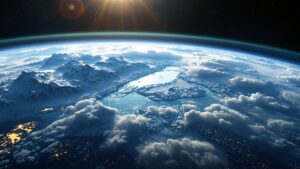
What Are Ocean and Cryosphere Systems? A Complete Guide
Ocean and cryosphere systems are among the most important parts of Earth’s climate engine. Together, oceans and frozen regions regulate temperatures, drive weather patterns, influence sea levels, and help control the balance of life on the planet.
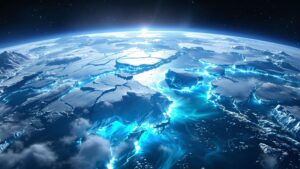
How Oceans and Ice Control Earth’s Climate
Oceans and ice are two of the most powerful climate regulators on Earth. Together, they control temperature balance, weather systems, ocean circulation, sea levels, and the movement of heat and moisture around the planet.
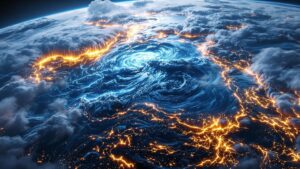
The Role of Oceans in Regulating Global Temperature
Oceans are Earth’s largest climate regulators, absorbing heat, storing energy, and redistributing warmth around the globe. Their powerful currents and interactions with the atmosphere help stabilize temperatures and shape global climate patterns.