
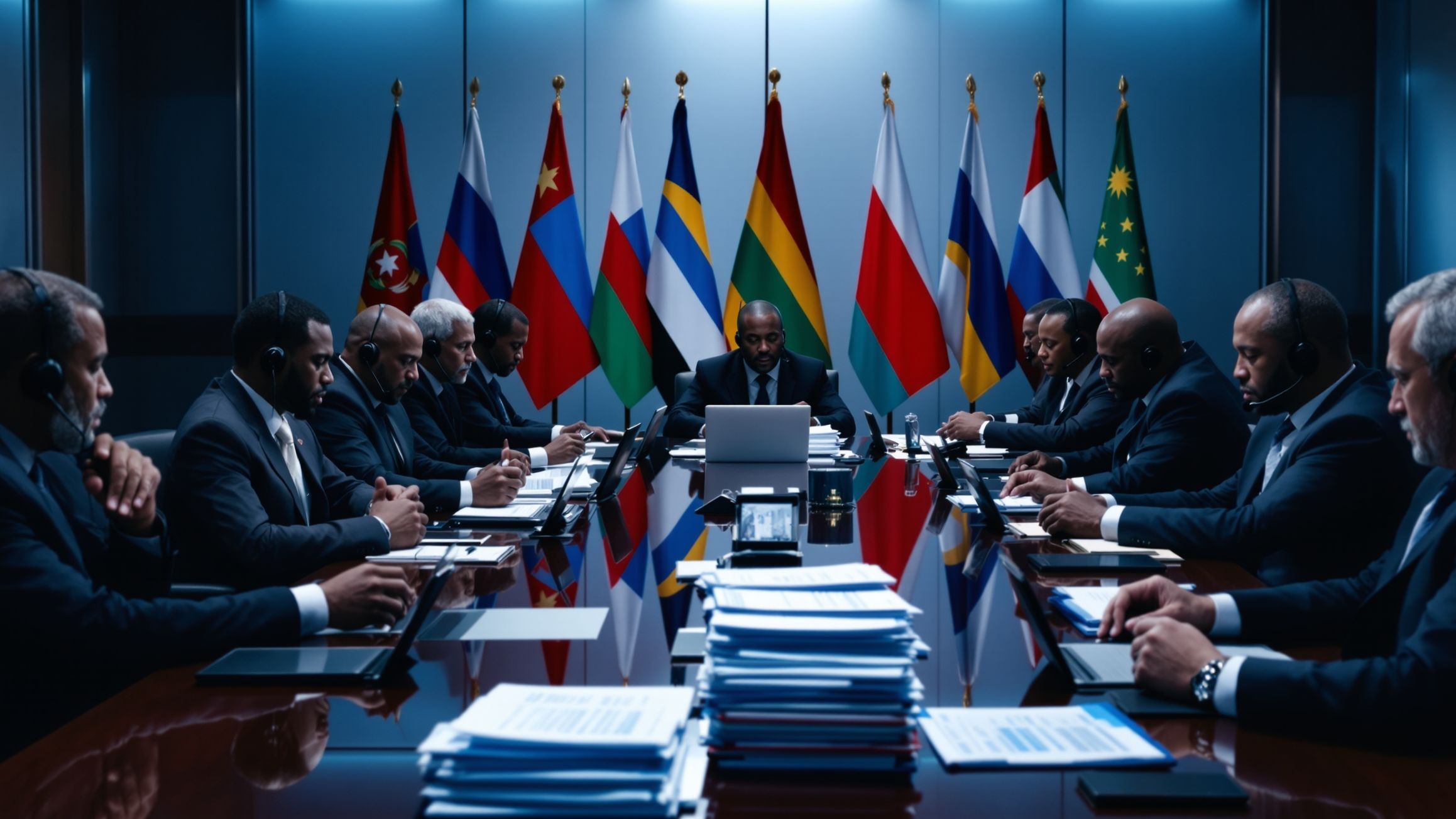
International climate tensions reveal the fault lines beneath global cooperation. While climate change is a shared challenge, nations approach it from vastly different positions—shaped by history, economics, energy dependence, and vulnerability to climate impacts. These differences often lead to friction over responsibility, funding, and timelines for action. Developing countries may demand greater financial support and flexibility, while wealthier nations face pressure to lead with deeper emissions cuts and technological investment. Disputes can emerge over carbon accounting, trade policies, and access to critical resources needed for the energy transition. At the same time, geopolitical rivalries and shifting alliances add another layer of complexity, turning climate negotiations into arenas where power, influence, and national interests collide. Yet within this tension lies the potential for breakthroughs, as competition can also drive innovation and ambition. On this page, explore the conflicts, compromises, and strategic dynamics shaping international climate relations—and how these tensions influence the pace and direction of global climate action.
A: Disagreements between countries over climate responsibility, action, and policy.
A: Due to differences in development, emissions history, and economic priorities.
A: Through negotiation, diplomacy, and international agreements.
A: It is a key issue in negotiations between developed and developing nations.
A: They can, but cooperation still occurs despite disagreements.
A: The process of negotiating climate agreements and policies internationally.
A: They can create conflicts over competitiveness and regulation.
A: Responsibility is debated based on historical emissions and current capabilities.
A: Yes, especially through alliances and advocacy.
A: Trust, fairness, transparency, and shared commitment.