
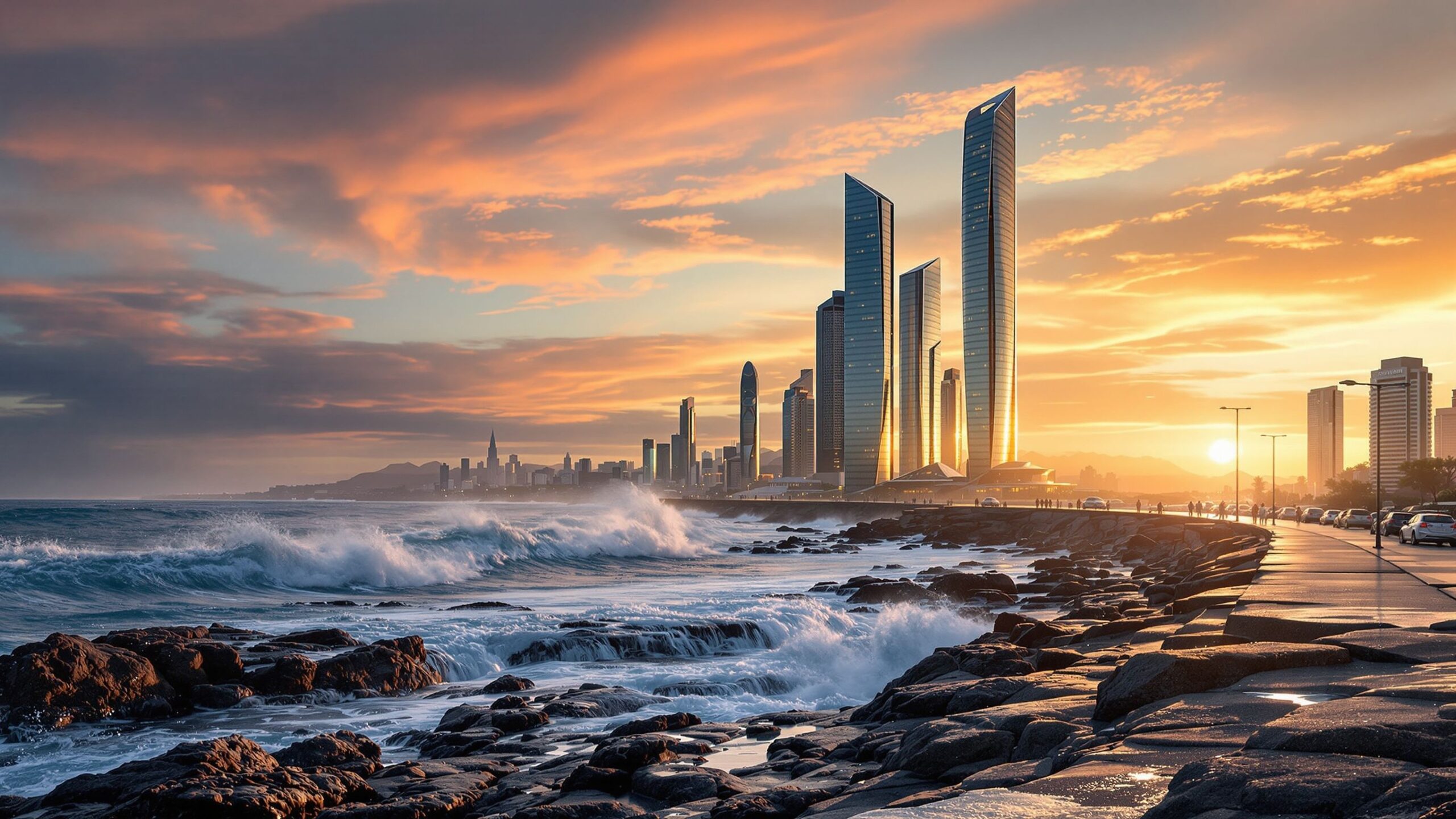
Coastlines are where Earth’s most dynamic transformations unfold. Welcome to Sea Level & Coastal Change, a deep dive into the shifting boundary between land and ocean. Rising seas, sinking shores, intensifying storms, and human development are rewriting the maps of beaches, cities, wetlands, and island communities. What looks like a tranquil shoreline today may tell a different story tomorrow — shaped by melting glaciers, warming oceans, and evolving weather extremes. In this collection, we explore the science behind sea level rise, the forces accelerating coastal erosion, and the real-world consequences for ecosystems, infrastructure, economies, and cultures. Discover how tides creep higher, how storms push farther inland, and how communities adapt through innovation, engineering, and resilience. From disappearing habitats to redesigned waterfronts, coastal change is not just environmental — it is social, economic, and global. The edges of continents are moving. Step in and explore the stories, research, and insights revealing how rising waters are transforming the world’s shores.
A: Your town experiences relative sea level, which includes global rise plus local land motion and regional ocean patterns.
A: Flooding often triggers at a threshold; lifting the baseline means that threshold gets crossed many more times.
A: No—high tides, minor storms, and wave events can cause frequent nuisance flooding as the baseline climbs.
A: Surge is wind/pressure-driven water pushed onshore; higher sea level gives it a higher starting point.
A: Not always—walls can protect specific assets but can worsen beach loss; living shorelines can work better in some settings.
A: When storm surge, heavy rainfall, and river flooding happen together, impacts multiply and drainage fails.
A: It can push salt into aquifers and wells, raising salinity and treatment costs.
A: Natural sediment compaction, groundwater extraction, and infrastructure loading can cause subsidence.
A: Nature-based protection—marsh plants, dunes, oyster reefs, and gentle slopes that absorb wave energy.
A: Map elevation and flood pathways, then prioritize upgrades and zoning based on the highest-risk hotspots.