
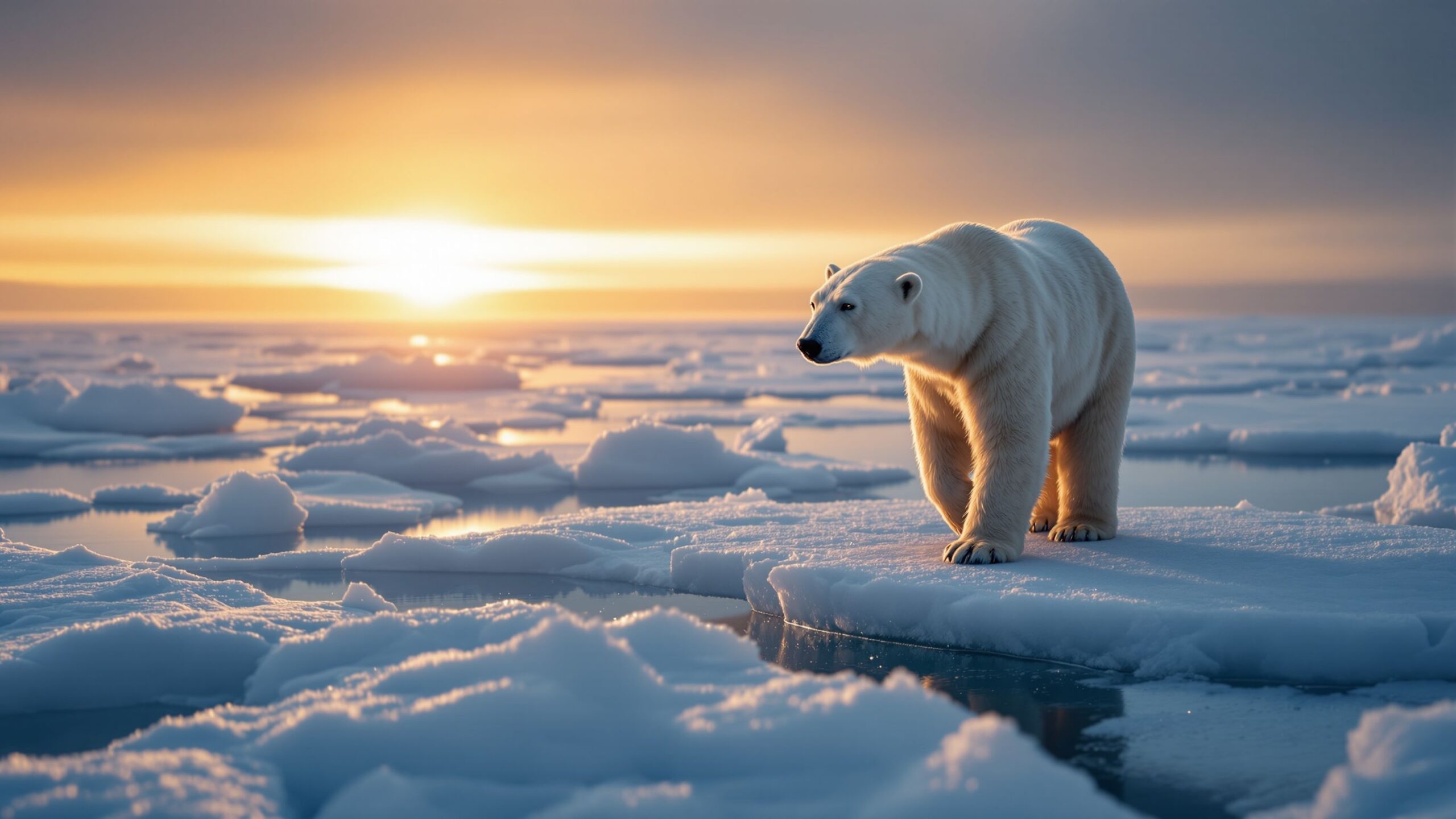
Across forests, oceans, wetlands, and grasslands, countless species are standing at the edge of survival. Climate change, habitat destruction, pollution, and overexploitation are accelerating biodiversity loss at an unprecedented pace. From the shrinking sea ice of the Arctic threatening iconic wildlife to fragile reef systems like the Great Barrier Reef facing bleaching events, ecosystems worldwide are under strain.
When a species declines, the ripple effects travel far beyond a single population. Predators lose prey, plants lose pollinators, and food webs unravel. Keystone species—those that play outsized ecological roles—can reshape entire landscapes when they disappear. At the same time, climate stressors such as rising temperatures, shifting rainfall patterns, and extreme weather push vulnerable species beyond their adaptive limits.
Yet conservation offers hope. Protected areas, habitat restoration, wildlife corridors, and community-led stewardship programs are helping species recover and ecosystems rebuild resilience. In this section of Climate Streets, explore the science behind endangered species, the causes driving their decline, and the innovative solutions working to safeguard biodiversity. Protecting species at risk is not just about saving wildlife—it’s about preserving the stability of our shared planet.
A: Endangered means at very high risk of extinction soon; threatened means likely to become endangered without intervention.
A: It allows movement to food, mates, and cooler climates—reducing isolation and inbreeding.
A: It increases extremes, shifts seasons, and moves suitable habitat faster than some species can track.
A: A place that stays relatively stable and usable during warming—like cool streams, shaded canyons, or upwelling coasts.
A: Often yes—invaders can outcompete natives, change fire regimes, and introduce disease.
A: They help, but many species also need connected corridors and active management as climates shift.
A: Environmental DNA detects traces of organisms in water/soil, revealing presence even when animals are hard to see.
A: Some can shift behavior or timing; others with slow reproduction or narrow niches may struggle.
A: Protect and restore local habitat patches and the corridors between them.
A: Reduce threats (habitat loss, overharvest, invasives), rebuild habitat, and maintain long-term monitoring.