
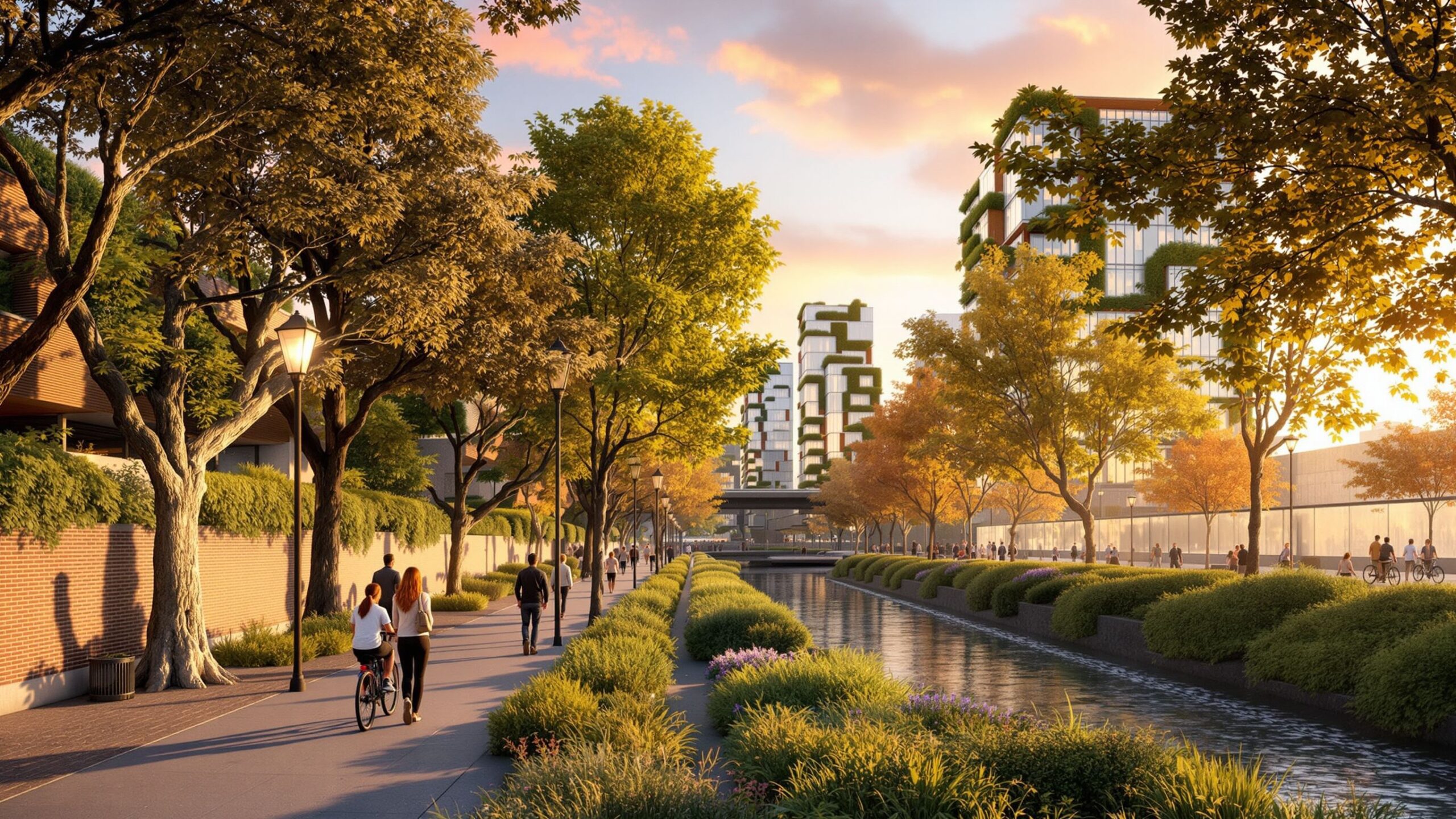
Cities sit at the front lines of climate change—dense, dynamic spaces where risks and solutions collide. Cities & Urban Resilience explores how urban environments are adapting to rising temperatures, extreme weather, flooding, and infrastructure strain while continuing to support growing populations. From heat islands and aging systems to housing pressures and energy demands, cities face complex challenges that require bold, integrated responses. This space highlights how planners, communities, and innovators are reimagining urban life through greener design, smarter infrastructure, and resilient systems that can withstand disruption. Think flood-resistant neighborhoods, expanded green spaces, climate-ready transportation, and buildings designed for efficiency and safety. It also examines how resilience isn’t just physical—it’s social, economic, and deeply human, shaped by equity, access, and community strength. Whether looking at global megacities or local neighborhoods, this category reveals how cities are evolving—not just to survive climate change, but to thrive within it.
A: It is the ability of cities to prepare for, respond to, and recover from climate and environmental challenges.
A: High population density, infrastructure concentration, and environmental stress make cities more exposed to risks.
A: It is when cities become warmer than surrounding areas due to buildings and pavement absorbing heat.
A: By improving drainage, adding green infrastructure, and managing stormwater effectively.
A: They help cool cities, improve air quality, and manage water runoff.
A: By conserving resources, staying informed, and participating in community planning efforts.
A: It uses data and sensors to improve efficiency, safety, and environmental management.
A: It supports essential services like water, power, and transportation during normal and extreme conditions.
A: It can increase population and demand for housing, services, and infrastructure.
A: Resilient cities are built through smart planning, strong systems, and active community participation.