

The atmosphere is in constant motion, driven by energy from the Sun and shaped by Earth’s rotation, surface features, and temperature contrasts. Atmospheric dynamics is the study of how air moves—horizontally and vertically—to create winds, storms, pressure systems, and global circulation patterns that influence life everywhere on the planet. Warm air rises, cool air sinks, and the planet’s spin bends these movements into sweeping wind belts and powerful jet streams that steer weather across continents. These forces explain why storms intensify, why trade winds persist, and why weather in one region can be influenced by conditions thousands of miles away. From towering thunderheads fueled by rising heat to vast high-pressure systems that bring long stretches of calm or drought, atmospheric motion acts as the connective tissue between local weather and global climate. Atmospheric Dynamics explores the invisible mechanics shaping the sky above us, revealing how daily forecasts, seasonal shifts, and extreme events all emerge from the same restless, ever-moving system that encircles Earth.
A: Pressure differences tighten as systems approach, strengthening the pressure-gradient force and boosting winds.
A: It follows temperature contrasts; seasonal changes and unusual warming/cooling patterns can reshape its path and speed.
A: Fronts force air to rise; rising air cools, condenses into clouds, and can produce rain or snow.
A: “Cyclone” is a general term for rotating low pressure; “hurricane” is a tropical cyclone over warm oceans meeting wind thresholds.
A: Tornado ingredients are complex; warming can boost moisture and instability, but wind shear patterns also matter.
A: Cold dense air drains downslope at night and can get capped by an inversion, trapping moisture and pollution.
A: Blocking highs and slow Rossby waves can stall systems, prolonging heat, drought, or flooding.
A: Dry air and clear skies allow rapid heat loss to space after sunset.
A: A fast-moving corridor of concentrated water vapor—like a sky pipeline—that can dump heavy rain or snow.
A: Pressure trend plus wind shift—falling pressure and a steady directional change often signal a pattern change.
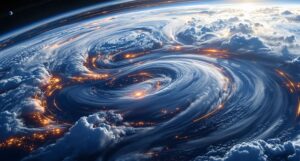
How Atmospheric Circulation Shapes Earth’s Climate
Atmospheric circulation is one of the most powerful systems controlling Earth’s climate. From tropical rainforests to polar deserts, global wind patterns move heat, moisture, and energy across the planet, shaping weather systems, ocean currents, and long-term climate zones.
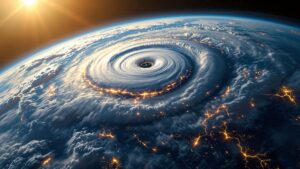
What Drives Global Wind Patterns? A Complete Guide
Global wind patterns are powered by solar energy, Earth’s rotation, and atmospheric pressure differences. These powerful air movements shape climate zones, influence weather systems, drive ocean currents, and impact ecosystems across the planet.
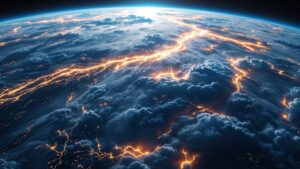
The Science Behind Jet Streams and Weather Extremes
Jet streams are fast-moving rivers of air high above Earth that help control storms, temperature shifts, and major weather events. Understanding how jet streams work reveals why weather extremes can become so powerful and unpredictable.