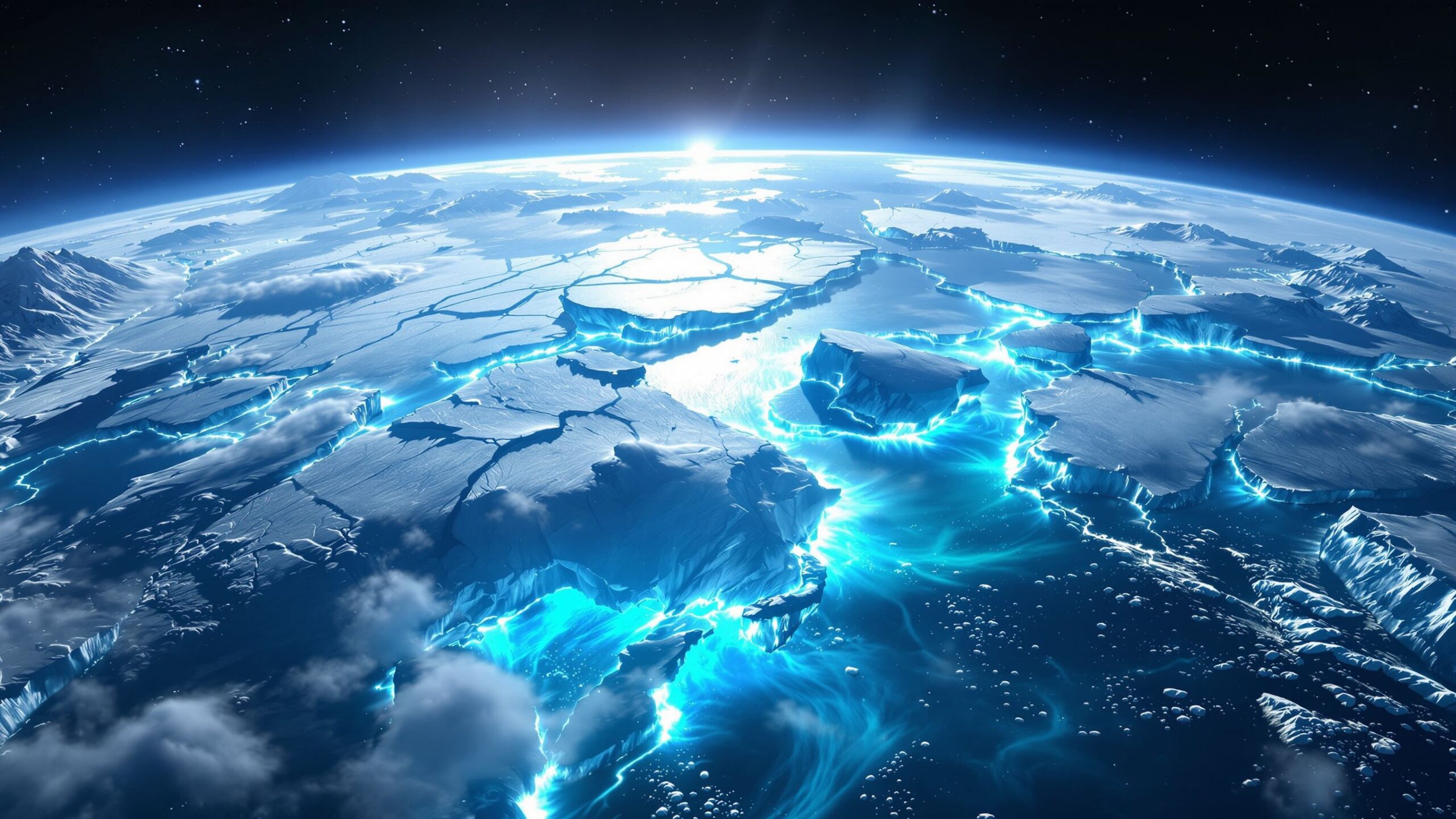
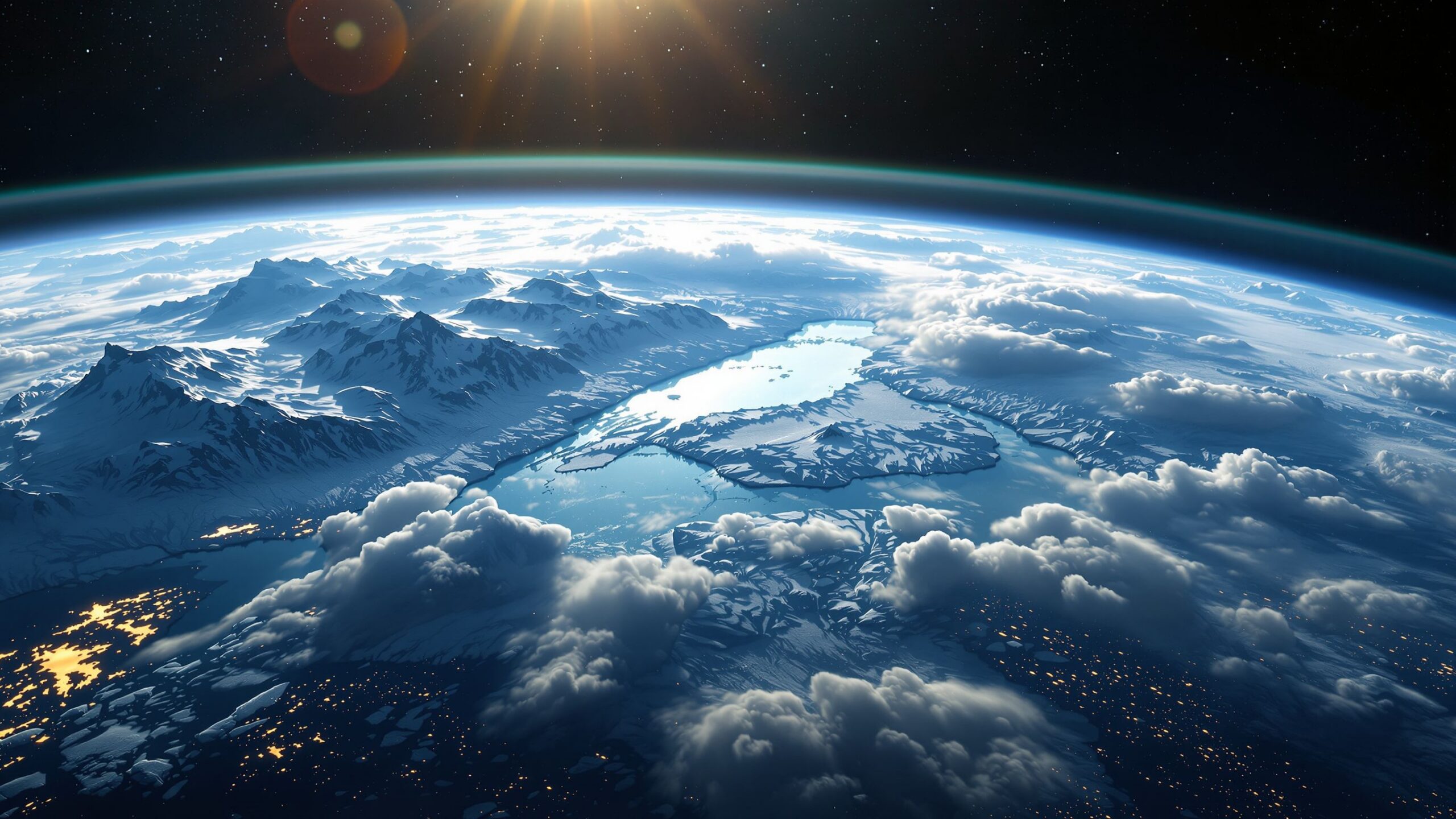
Earth’s oceans are among the most powerful forces controlling the planet’s climate and temperature balance. Covering more than 70 percent of Earth’s surface, oceans act like giant reservoirs of heat that absorb, store, and redistribute enormous amounts of energy from the Sun. Without the oceans, Earth’s climate would be far more unstable, with much greater temperature extremes between regions and seasons. The oceans help moderate heat, transport warmth across continents, influence weather systems, and maintain the environmental conditions necessary for life to thrive. The relationship between oceans and global temperature is one of the most important components of Earth’s climate system. Oceans interact constantly with the atmosphere, sea ice, glaciers, and land surfaces, creating a complex network of energy exchange and circulation. Warm ocean waters fuel storms, influence rainfall patterns, and shape atmospheric circulation systems, while cold waters help cool surrounding regions and stabilize climate conditions. Scientists consider the oceans to be Earth’s primary climate regulator because they absorb most of the excess heat trapped by greenhouse gases. In recent decades, the oceans have absorbed more than 90 percent of the additional heat generated by human-driven climate change. This enormous heat absorption has slowed atmospheric warming to some extent, but it has also caused major changes within marine ecosystems and global climate systems. Understanding how oceans regulate global temperature is essential for understanding Earth’s climate as a whole. The oceans are not passive bodies of water. They are active and dynamic systems constantly moving heat and energy around the planet in ways that affect every ecosystem and every human society on Earth.
A: Oceans absorb, store, and redistribute heat around the planet through currents and circulation.
A: Water changes temperature more slowly than land, helping reduce extreme swings.
A: Ocean currents are large-scale movements of seawater that transport heat and nutrients.
A: Oceans influence storms, rainfall, humidity, winds, and seasonal climate patterns.
A: It is a deep-ocean circulation system driven by temperature and salinity differences.
A: Warm water provides energy that can strengthen hurricanes and tropical systems.
A: Thermal expansion happens when warmer ocean water expands and raises sea levels.
A: Oceans absorb much of the excess heat and carbon dioxide, slowing atmospheric warming temporarily.
A: They can damage ecosystems, coral reefs, fisheries, and marine biodiversity.
A: Ocean temperatures reveal major climate trends and strongly influence global weather systems.
Why Oceans Store So Much Heat
One of the most important reasons oceans regulate global temperature so effectively is because water has a very high heat capacity. Heat capacity refers to how much energy a substance can absorb before its temperature changes significantly. Water can absorb far more heat than land or air without warming rapidly.
This property allows oceans to act as giant thermal storage systems. During the day and throughout the year, oceans absorb enormous amounts of solar energy while warming relatively slowly. Later, they gradually release this heat back into the atmosphere over time. This process helps reduce temperature extremes between day and night and between different seasons.
Coastal regions often experience milder climates because nearby oceans moderate temperatures. In many coastal cities, winters are warmer and summers are cooler than inland regions located at similar latitudes. The ocean acts like a climate stabilizer by slowing the rate of temperature change.
Without this heat storage capacity, Earth’s climate would become much more extreme. Land surfaces heat and cool quickly, but oceans absorb and release heat gradually. This difference is one of the key reasons oceans are so critical for maintaining stable global temperatures.
Oceans as Solar Energy Absorbers
The oceans absorb enormous amounts of solar radiation every day. Sunlight penetrates ocean surfaces and warms the upper layers of water, especially in tropical and subtropical regions where sunlight is strongest. These warm waters store huge amounts of thermal energy that later influence atmospheric circulation and weather systems.
Because oceans cover most of the planet, they absorb far more solar energy than land surfaces overall. Tropical oceans are especially important because they receive direct sunlight year-round and act as major heat reservoirs for the global climate system.
Not all absorbed heat remains in one location. Winds, currents, and mixing processes move warm water across the planet, redistributing energy between regions. This movement prevents excessive heat buildup near the equator and helps moderate colder regions farther from the tropics.
The oceans essentially function as Earth’s planetary heating and cooling system. They absorb energy where sunlight is strongest and help transport that heat toward cooler regions where it can be released back into the atmosphere.
Ocean Currents and Heat Redistribution
Ocean currents are one of the most important ways oceans regulate global temperature. These massive flows of water transport heat across the globe and strongly influence regional climates. Surface currents are largely driven by winds and Earth’s rotation, while deep ocean currents are influenced by differences in water temperature and salinity.
Warm ocean currents carry tropical heat toward higher latitudes. One of the most famous examples is the Gulf Stream in the Atlantic Ocean. This powerful current moves warm water from the Gulf of Mexico toward Europe, helping keep Western Europe significantly warmer than many other places at similar latitudes.
Cold currents also play important roles by transporting cooler water toward warmer regions. These currents help balance Earth’s energy distribution and influence weather patterns, marine ecosystems, and coastal climates.
Deep ocean circulation, often called thermohaline circulation or the global conveyor belt, moves water through all of Earth’s oceans over long periods of time. Cold salty water sinks in polar regions and slowly flows through deep ocean basins before eventually resurfacing elsewhere. This circulation redistributes heat globally and helps stabilize Earth’s climate over long timescales.
Oceans and Atmospheric Circulation
The oceans and atmosphere constantly exchange heat and moisture. Warm ocean water heats the air above it, while evaporation transfers moisture into the atmosphere. These interactions help drive atmospheric circulation patterns and weather systems around the world.
Warm tropical oceans fuel powerful convection systems where warm moist air rises into the atmosphere. This rising air helps power global wind patterns, thunderstorms, and tropical storm systems. Many of Earth’s major atmospheric circulation cells depend heavily on heat and moisture from the oceans.
The interaction between oceans and atmosphere also influences jet streams, pressure systems, and storm tracks. Changes in ocean temperatures can alter atmospheric circulation and affect weather conditions far away from the original source region.
For example, warm ocean conditions associated with El Niño can shift rainfall patterns across multiple continents, triggering floods in some regions and droughts in others. This demonstrates how strongly ocean temperatures influence global climate systems.
The Oceans and the Water Cycle
Oceans are central to Earth’s water cycle because most atmospheric moisture originates from ocean evaporation. Solar heating causes water to evaporate from the ocean surface into the atmosphere, where it later forms clouds and precipitation.
This process helps transport heat and moisture around the world. Tropical oceans, which experience intense solar heating, are especially important sources of atmospheric moisture. Warm ocean temperatures increase evaporation rates and provide energy for storms and weather systems.
Rainfall patterns across continents are therefore closely connected to ocean temperatures and evaporation. Monsoons, hurricanes, and many large-scale storm systems depend heavily on ocean moisture.
The oceans also help regulate temperature through evaporation itself. When water evaporates, it absorbs heat energy from the ocean surface, creating a cooling effect. Later, when water vapor condenses into clouds or precipitation, that heat is released into the atmosphere. This constant exchange of heat and moisture is a major part of Earth’s climate engine.
Oceans and Carbon Storage
The oceans play a major role in regulating global temperature by absorbing carbon dioxide from the atmosphere. Carbon dioxide is one of the most important greenhouse gases driving climate change. Marine ecosystems and ocean waters absorb large amounts of this gas, helping reduce how much remains in the atmosphere.
Phytoplankton, microscopic marine organisms that perform photosynthesis, remove carbon dioxide from seawater and atmosphere. Oceans also absorb carbon dioxide directly through physical and chemical processes.
Scientists estimate that oceans absorb roughly one-quarter of the carbon dioxide released by human activities. Without this absorption, atmospheric greenhouse gas levels and global temperatures would likely be much higher.
However, increased carbon absorption also creates challenges. As oceans absorb more carbon dioxide, seawater becomes more acidic in a process known as ocean acidification. This change threatens coral reefs, shell-forming organisms, and marine ecosystems around the world.
Warming oceans may also become less effective at storing carbon in the future, which could accelerate atmospheric warming over time.
Sea Ice and Temperature Regulation
Sea ice strongly influences ocean temperature regulation through the albedo effect. Bright ice surfaces reflect much of the Sun’s energy back into space, helping keep polar regions cooler. When sea ice melts, darker ocean water becomes exposed and absorbs much more solar energy.
This creates a powerful feedback loop. Less ice means more heat absorption, which leads to further warming and additional ice loss. Scientists have observed this process especially in the Arctic, where warming is occurring much faster than the global average.
Sea ice also acts as an insulating barrier between the atmosphere and ocean. It reduces heat transfer and helps maintain colder conditions in polar environments. Changes in sea ice coverage therefore influence atmospheric circulation, storm patterns, and global climate systems.
The decline of sea ice is one of the clearest examples of how oceans and climate are interconnected. Small changes in ice coverage can significantly alter how much heat the oceans absorb and redistribute.
Oceans and Extreme Weather
Oceans strongly influence extreme weather because warm water provides energy for storms and atmospheric instability. Hurricanes and tropical cyclones form over warm ocean waters where heat and moisture rise into the atmosphere and fuel storm development.
Warmer ocean temperatures can increase the intensity of storms by providing more energy and atmospheric moisture. This can lead to stronger rainfall, more powerful winds, and greater flooding risks.
Ocean temperatures also influence heatwaves, droughts, and seasonal weather patterns. Persistent warm ocean conditions can alter atmospheric circulation and contribute to prolonged climate extremes in some regions.
Marine heatwaves, which are periods of unusually warm ocean temperatures, have become increasingly common in recent decades. These events can damage marine ecosystems, disrupt fisheries, and contribute to coral bleaching.
As climate change warms the oceans further, scientists expect many ocean-related weather extremes to become more intense or frequent.
Climate Change and Warming Oceans
Human-driven climate change is causing rapid warming across the world’s oceans. Greenhouse gases trap heat in Earth’s climate system, and most of this excess energy is being absorbed by the oceans.
Warming oceans affect sea levels, weather patterns, marine ecosystems, and atmospheric circulation. Thermal expansion causes seawater to expand as it warms, contributing to sea-level rise alongside melting glaciers and ice sheets.
Warmer oceans also reduce oxygen levels in some regions and disrupt marine food webs. Coral reefs are especially vulnerable because rising temperatures can trigger widespread coral bleaching events.
Scientists monitor ocean temperatures closely because the oceans are one of the clearest indicators of long-term climate change. The heat stored within the oceans today will continue influencing Earth’s climate for decades or even centuries into the future.
The Planet’s Great Climate Stabilizer
The oceans are Earth’s greatest climate stabilizer. They absorb heat, store energy, transport warmth around the globe, regulate atmospheric circulation, support the water cycle, and help control greenhouse gas levels in the atmosphere. Without the oceans, Earth’s climate would be far more extreme and much less stable.
Every current, wave, and circulation pattern contributes to a global system that redistributes heat and helps maintain the environmental balance necessary for life. Oceans connect every continent and every climate zone into one interconnected planetary system.
As climate change accelerates, understanding the oceans’ role in regulating global temperature has become more important than ever. Warming oceans, changing circulation patterns, and shifting marine ecosystems are already influencing weather, sea levels, and environmental stability around the world.
The oceans are far more than vast bodies of water covering Earth’s surface. They are living components of the planet’s climate engine, constantly shaping temperatures, weather systems, and the future of Earth itself.