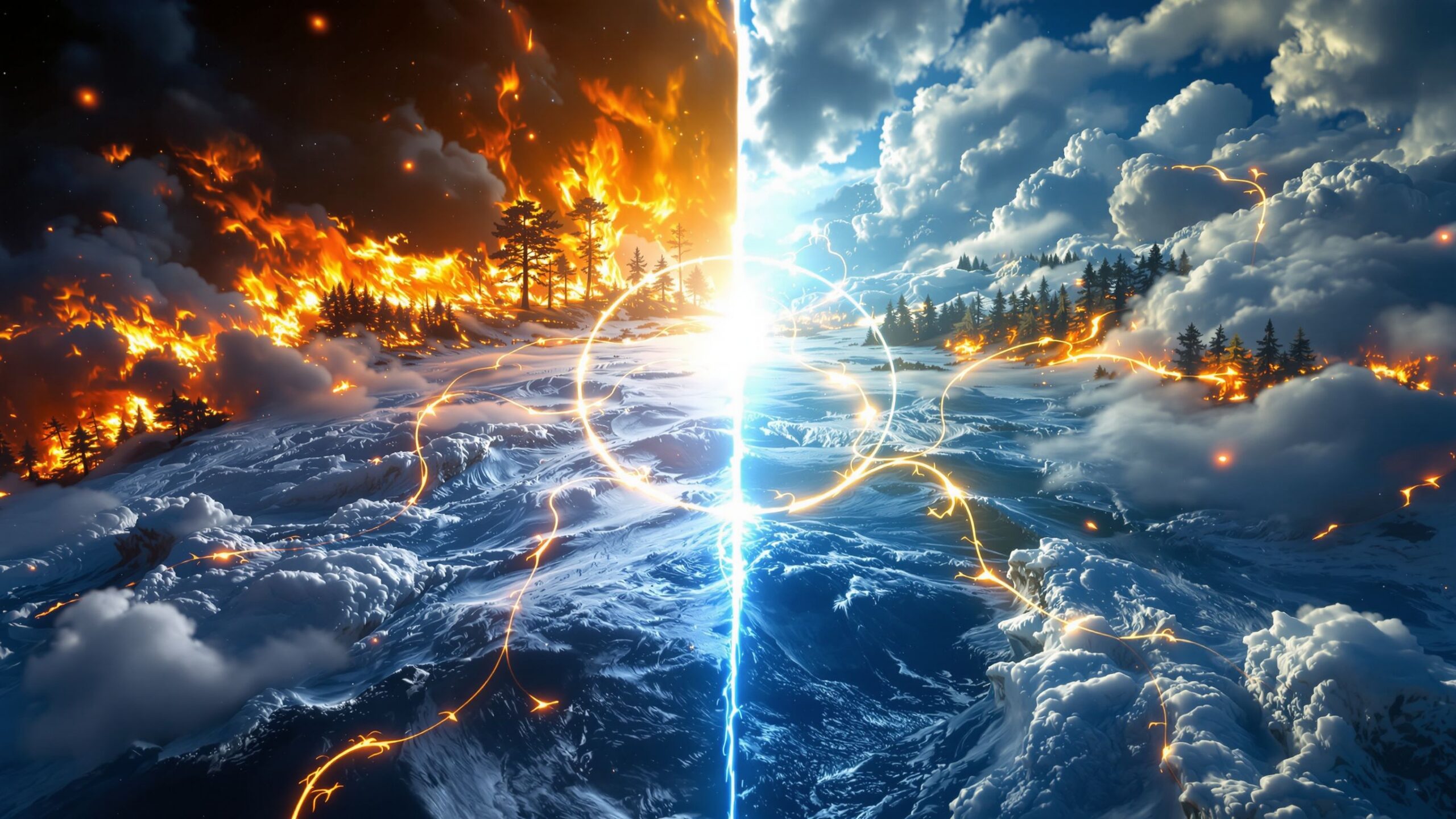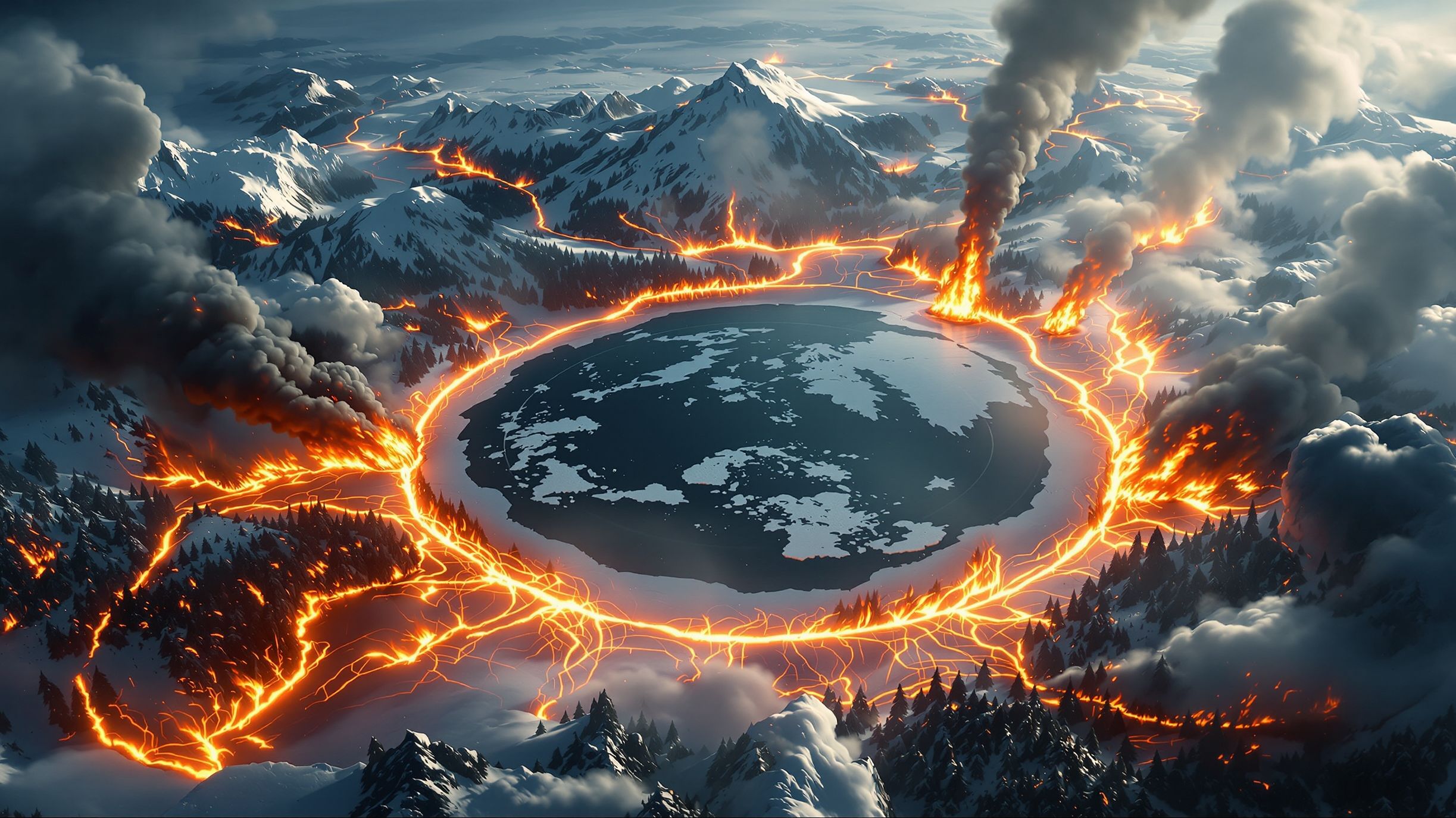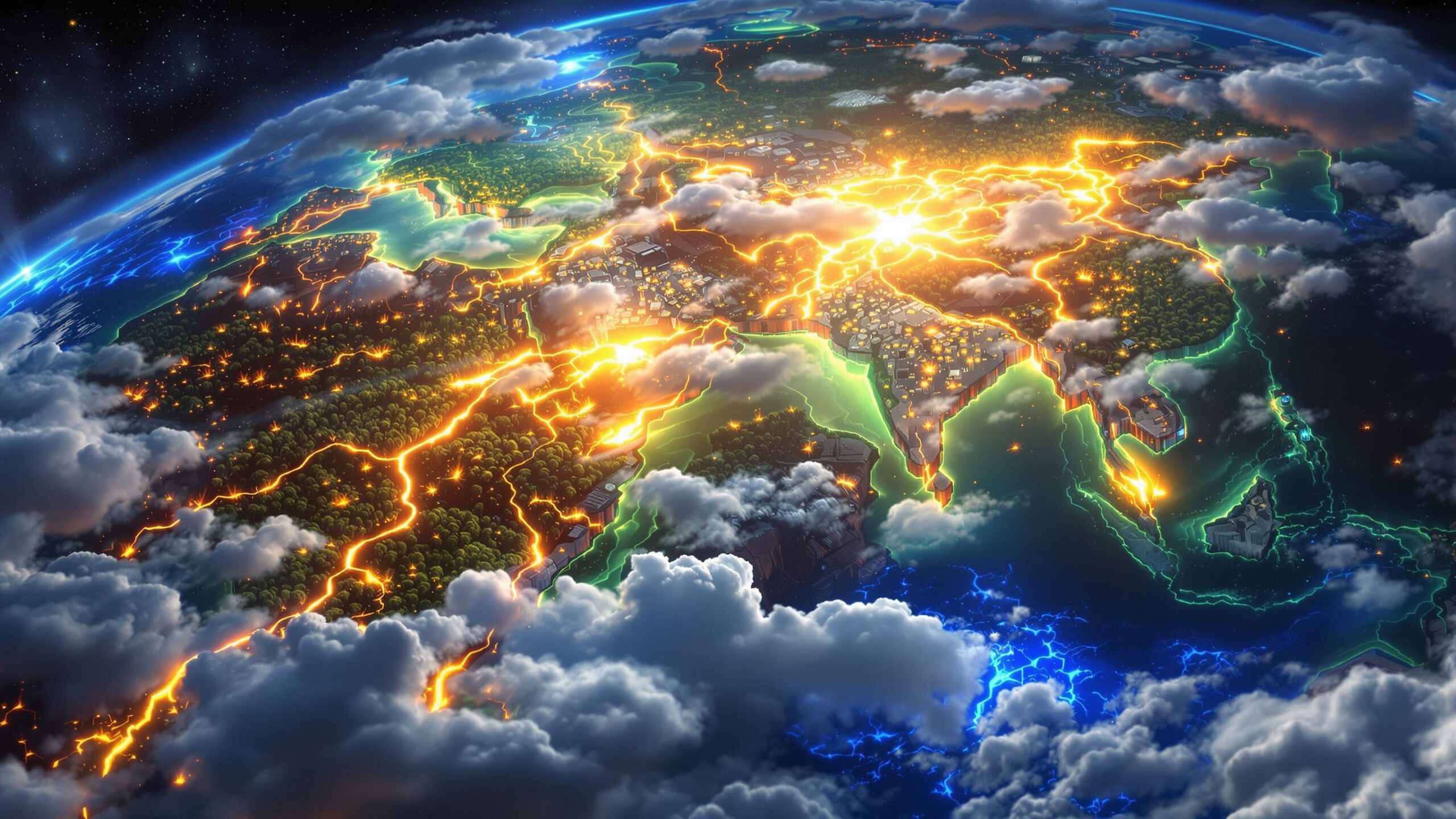
Carbon is one of the most important elements on Earth. It forms the foundation of life, exists within the atmosphere, flows through oceans, becomes part of rocks and soil, and moves continuously between living organisms and the environment. Every plant, animal, microbe, and human contains carbon, and nearly every major climate and ecosystem process depends on how carbon moves through the planet. This movement is known as the carbon cycle, one of Earth’s most essential natural systems. The carbon cycle describes how carbon travels through Earth’s atmosphere, oceans, land, ecosystems, and geological systems over time. Carbon is constantly changing form and location. It may exist as carbon dioxide gas in the atmosphere, dissolved carbon in the oceans, organic material in plants and animals, or stored carbon deep underground in rocks and fossil fuels. Through natural processes such as photosynthesis, respiration, decomposition, ocean circulation, and volcanic activity, carbon continuously moves between these different reservoirs. The carbon cycle helps regulate Earth’s climate by controlling how much carbon dioxide exists in the atmosphere. Carbon dioxide is a greenhouse gas that traps heat within Earth’s atmosphere. While greenhouse gases are essential for maintaining temperatures suitable for life, too much carbon dioxide can intensify global warming and climate change. For millions of years, the carbon cycle maintained a relatively balanced climate system. Today, however, human activities are rapidly altering this balance by releasing enormous amounts of stored carbon into the atmosphere. Understanding the carbon cycle is essential for understanding climate change, ecosystems, weather patterns, and life itself. It is one of the most important systems connecting Earth’s atmosphere, oceans, geology, and biology into a single planetary network.
A: The carbon cycle is the movement of carbon through Earth’s atmosphere, oceans, land, rocks, and living organisms.
A: Carbon is essential for life and plays a major role in climate regulation.
A: Photosynthesis is the process plants use to absorb carbon dioxide and produce energy from sunlight.
A: Oceans absorb carbon dioxide from the atmosphere and store it in water and marine life.
A: Carbon sinks are systems like forests and oceans that absorb more carbon than they release.
A: Respiration, decomposition, wildfires, volcanic activity, and fossil fuel burning all release carbon.
A: Fossil fuels are carbon-rich energy sources formed from ancient organic material.
A: Human activities add extra carbon dioxide through fossil fuel use and deforestation.
A: Ocean acidification happens when oceans absorb excess carbon dioxide, changing seawater chemistry.
A: It helps regulate climate, supports ecosystems, and influences Earth’s long-term environmental balance.
What Is Carbon?
Carbon is a chemical element found throughout the universe and in nearly every part of Earth’s environment. It is unique because it can form complex molecules that serve as the building blocks of life. Proteins, carbohydrates, fats, DNA, and many other biological molecules are carbon-based compounds.
Carbon exists in many forms across Earth. In the atmosphere, it commonly appears as carbon dioxide gas. In living organisms, carbon forms tissues and organic matter. In oceans, carbon exists in dissolved forms such as bicarbonate and carbonate ions. Underground, carbon becomes part of rocks, sediments, coal, oil, and natural gas deposits.
Because carbon can move easily between these different forms and reservoirs, it participates in a continuous global cycle. Some carbon moves rapidly through ecosystems in days or years, while other carbon remains stored in rocks or deep oceans for millions of years.
The movement of carbon through Earth’s systems influences temperature, atmospheric chemistry, ecosystem productivity, and long-term climate stability.
The Major Carbon Reservoirs
The carbon cycle involves several major reservoirs where carbon is stored. These reservoirs exchange carbon through natural processes that keep the cycle moving continuously.
The atmosphere is one of the most visible carbon reservoirs because it contains carbon dioxide and methane gases. Although the atmosphere contains less total carbon than the oceans or Earth’s crust, atmospheric carbon strongly influences climate because greenhouse gases trap heat within the atmosphere.
The oceans are Earth’s largest active carbon reservoir. Oceans absorb enormous amounts of carbon dioxide from the atmosphere and store carbon in seawater, marine organisms, and deep ocean sediments. Ocean circulation moves carbon around the globe and helps regulate atmospheric carbon levels.
Living organisms and ecosystems also store large amounts of carbon. Forests, grasslands, wetlands, and soils contain carbon within plants, roots, microbes, and organic matter. Tropical rainforests are especially important because they absorb large amounts of carbon dioxide through photosynthesis.
Earth’s crust contains the largest long-term carbon reservoir. Carbon stored in rocks, fossil fuels, and sediments may remain trapped underground for millions of years before being released through geological processes or human activities.
Photosynthesis and Carbon Removal
One of the most important parts of the carbon cycle is photosynthesis. Plants, algae, and certain bacteria remove carbon dioxide from the atmosphere and use sunlight to convert it into sugars and organic material.
During photosynthesis, carbon dioxide enters plant leaves while water is absorbed through roots. Using energy from sunlight, plants transform these ingredients into glucose, which provides energy and building materials for growth. Oxygen is released back into the atmosphere as a byproduct.
Photosynthesis removes enormous amounts of carbon dioxide from the atmosphere every year. Forests, grasslands, and marine phytoplankton act as major carbon sinks because they absorb and store carbon within living tissues.
The carbon stored in plants eventually moves through food webs as animals consume plants and other organisms. Carbon therefore becomes part of every living ecosystem on Earth.
Photosynthesis is one of the most important natural processes helping regulate atmospheric carbon dioxide levels and maintain climate balance.
Respiration and Carbon Release
While photosynthesis removes carbon from the atmosphere, respiration returns it. All living organisms release carbon dioxide during respiration as they break down food molecules to produce energy.
Plants, animals, fungi, and microorganisms all respire. During this process, carbon stored in organic material combines with oxygen and returns to the atmosphere as carbon dioxide gas.
Respiration is a natural and essential part of the carbon cycle. The carbon absorbed by plants through photosynthesis does not remain locked away forever. Instead, it moves continuously through ecosystems as organisms consume food, grow, reproduce, and release waste.
The balance between photosynthesis and respiration strongly influences how much carbon remains stored within ecosystems versus how much returns to the atmosphere.
Decomposition and Soil Carbon
When plants and animals die, decomposers such as bacteria and fungi break down organic matter. During decomposition, carbon stored in dead organisms returns to the soil and atmosphere.
Some carbon is released quickly as carbon dioxide or methane gas. Other carbon becomes incorporated into soils as organic material. Healthy soils can store enormous amounts of carbon for long periods, making soil one of Earth’s most important carbon reservoirs.
Wetlands and peatlands are especially valuable because waterlogged conditions slow decomposition and allow carbon-rich organic matter to accumulate over thousands of years. These ecosystems act as major long-term carbon storage systems.
However, disturbances such as deforestation, agriculture, wildfires, and warming temperatures can release stored soil carbon back into the atmosphere. This is one reason land-use changes significantly affect climate change.
Oceans and Carbon Absorption
The oceans play a massive role in the carbon cycle by absorbing carbon dioxide directly from the atmosphere. Cold ocean waters are especially effective at absorbing carbon because gases dissolve more easily in cooler temperatures.
Once carbon dioxide enters seawater, it reacts chemically to form dissolved carbon compounds. Some carbon becomes part of marine organisms such as plankton, shellfish, and corals. When these organisms die, carbon may sink into deeper waters or become trapped in ocean sediments.
Ocean currents help transport carbon around the globe through both surface and deep-water circulation systems. The deep ocean stores vast amounts of carbon for long periods, helping regulate atmospheric carbon dioxide levels.
Marine phytoplankton are also extremely important because they perform photosynthesis and remove carbon dioxide from the atmosphere much like land plants do. Although tiny, phytoplankton collectively absorb enormous amounts of carbon every year.
However, increased carbon dioxide absorption is causing ocean acidification, which threatens marine ecosystems and coral reefs worldwide.
Fossil Fuels and Ancient Carbon
Some carbon becomes buried underground over millions of years and eventually forms fossil fuels such as coal, oil, and natural gas. These fuels contain carbon originally captured by ancient plants and organisms long ago.
For millions of years, much of this carbon remained locked safely beneath Earth’s surface. Human industrial activity has dramatically changed this balance by extracting and burning fossil fuels at unprecedented rates.
When fossil fuels burn, ancient stored carbon combines with oxygen and enters the atmosphere as carbon dioxide. This process releases enormous amounts of greenhouse gases far faster than natural systems can remove them.
The rapid release of fossil fuel carbon is the primary driver of modern climate change. Atmospheric carbon dioxide levels have risen dramatically since the Industrial Revolution because of fossil fuel combustion, deforestation, and industrial processes.
Volcanoes and Geological Carbon
Volcanoes are another part of the long-term carbon cycle. Deep within Earth, carbon exists in rocks and molten material. Volcanic eruptions release some of this carbon into the atmosphere as carbon dioxide gas.
Although volcanic emissions are much smaller than modern human emissions, they play an important role over geological timescales. Volcanic activity has influenced Earth’s climate throughout history by altering atmospheric carbon levels.
Weathering also affects geological carbon movement. Rainwater reacts with rocks and slowly removes carbon dioxide from the atmosphere through chemical processes. Rivers transport dissolved carbon into oceans where it may eventually become part of marine sediments and limestone formations.
These geological processes operate very slowly compared to biological carbon cycling but are essential for regulating climate over millions of years.
The Greenhouse Effect and Climate
Carbon dioxide is a greenhouse gas, meaning it traps heat within Earth’s atmosphere. This greenhouse effect is essential because it keeps Earth warm enough for life to exist. Without greenhouse gases, the planet would be far colder and largely uninhabitable.
However, too much carbon dioxide strengthens the greenhouse effect and increases global temperatures. Human activities are now adding carbon to the atmosphere much faster than natural systems can remove it.
As atmospheric carbon dioxide levels rise, Earth traps more heat, leading to global warming and climate change. Rising temperatures influence weather patterns, glaciers, sea levels, ecosystems, and ocean circulation.
The carbon cycle therefore plays a central role in climate regulation. Changes in how carbon moves through Earth’s systems directly affect global temperature balance.
Carbon Sinks and Carbon Sources
A carbon sink is any system that absorbs more carbon than it releases. Forests, oceans, wetlands, and healthy soils are major carbon sinks because they store large amounts of carbon.
A carbon source releases more carbon than it absorbs. Fossil fuel combustion, deforestation, wildfires, and some industrial activities are major carbon sources.
The balance between carbon sinks and carbon sources determines whether atmospheric carbon dioxide levels rise or fall. Human activities have shifted this balance significantly toward greater carbon emissions.
Protecting and restoring natural carbon sinks is now considered one of the most important strategies for slowing climate change. Forest conservation, soil restoration, wetland protection, and sustainable land management all help increase carbon storage.
Human Impacts on the Carbon Cycle
Human activity has altered the carbon cycle more rapidly than almost any natural process in modern history. Burning fossil fuels, cutting forests, industrial agriculture, and land-use changes have dramatically increased atmospheric carbon dioxide concentrations.
Deforestation is especially important because forests both absorb carbon and store it within biomass. When forests are cut or burned, stored carbon is released into the atmosphere while future carbon absorption decreases.
Industrial emissions continue adding billions of tons of carbon dioxide to the atmosphere each year. Oceans and ecosystems absorb some of this excess carbon, but not enough to fully offset emissions.
Scientists continue studying how human-driven changes may affect future climate conditions, ocean chemistry, ecosystems, and carbon storage systems across the planet.
The Planetary Cycle That Connects Everything
The carbon cycle is one of Earth’s most important life-support systems. It connects the atmosphere, oceans, ecosystems, soils, rocks, and living organisms into one continuous planetary network. Carbon constantly moves through these systems, helping regulate climate, support life, and maintain environmental balance.
From photosynthesis in forests to carbon storage deep beneath the oceans, every part of Earth’s environment participates in the carbon cycle. This movement of carbon shapes weather patterns, ecosystems, atmospheric chemistry, and global temperatures.
Today, human activities are altering the carbon cycle at extraordinary speeds, increasing greenhouse gas levels and changing Earth’s climate system. Understanding how carbon moves through the planet is therefore more important than ever.
The carbon cycle is not just a scientific concept hidden within textbooks. It is the invisible process connecting every breath, every forest, every ocean current, and every climate system on Earth into one vast and constantly changing planetary engine.