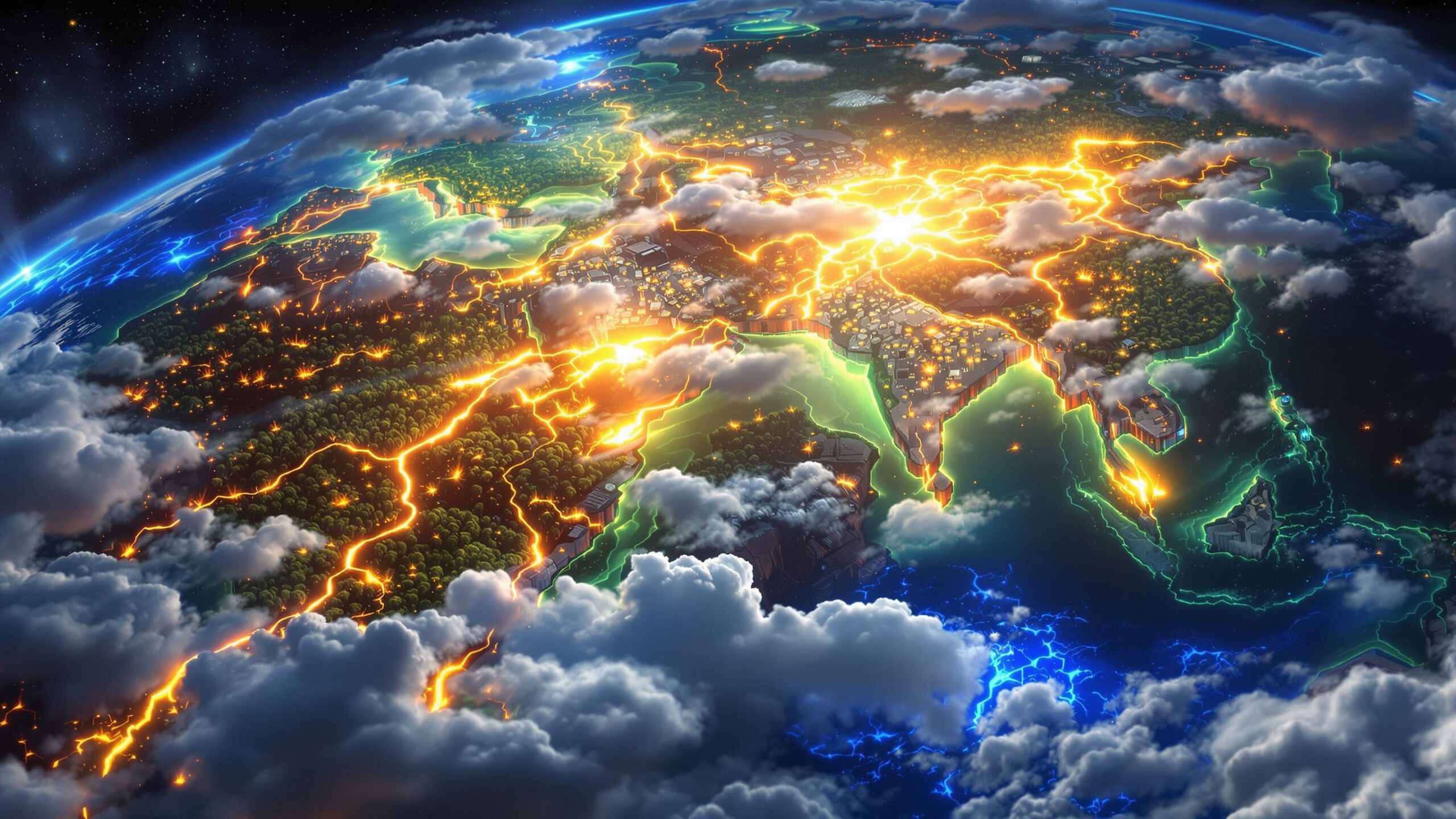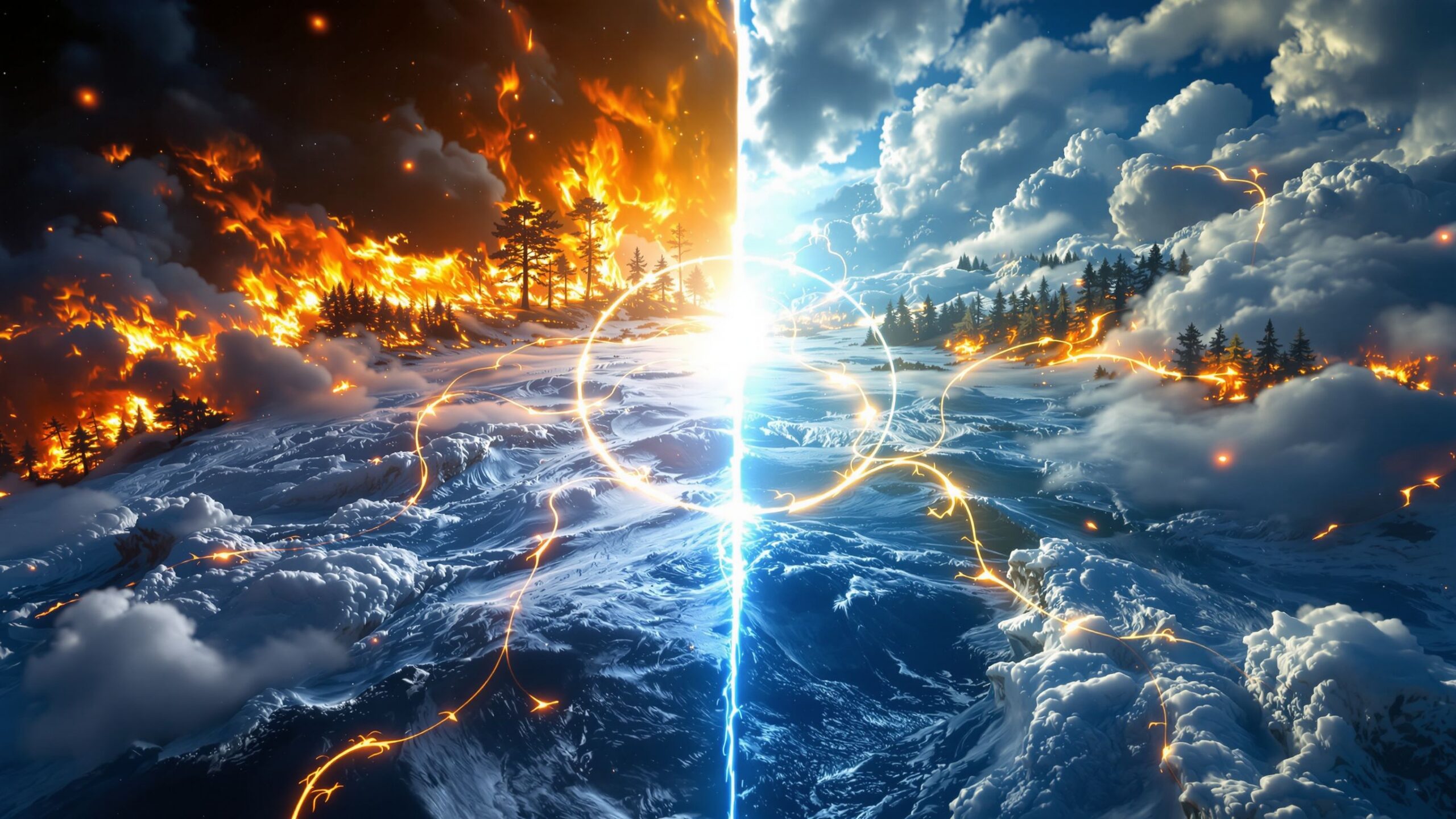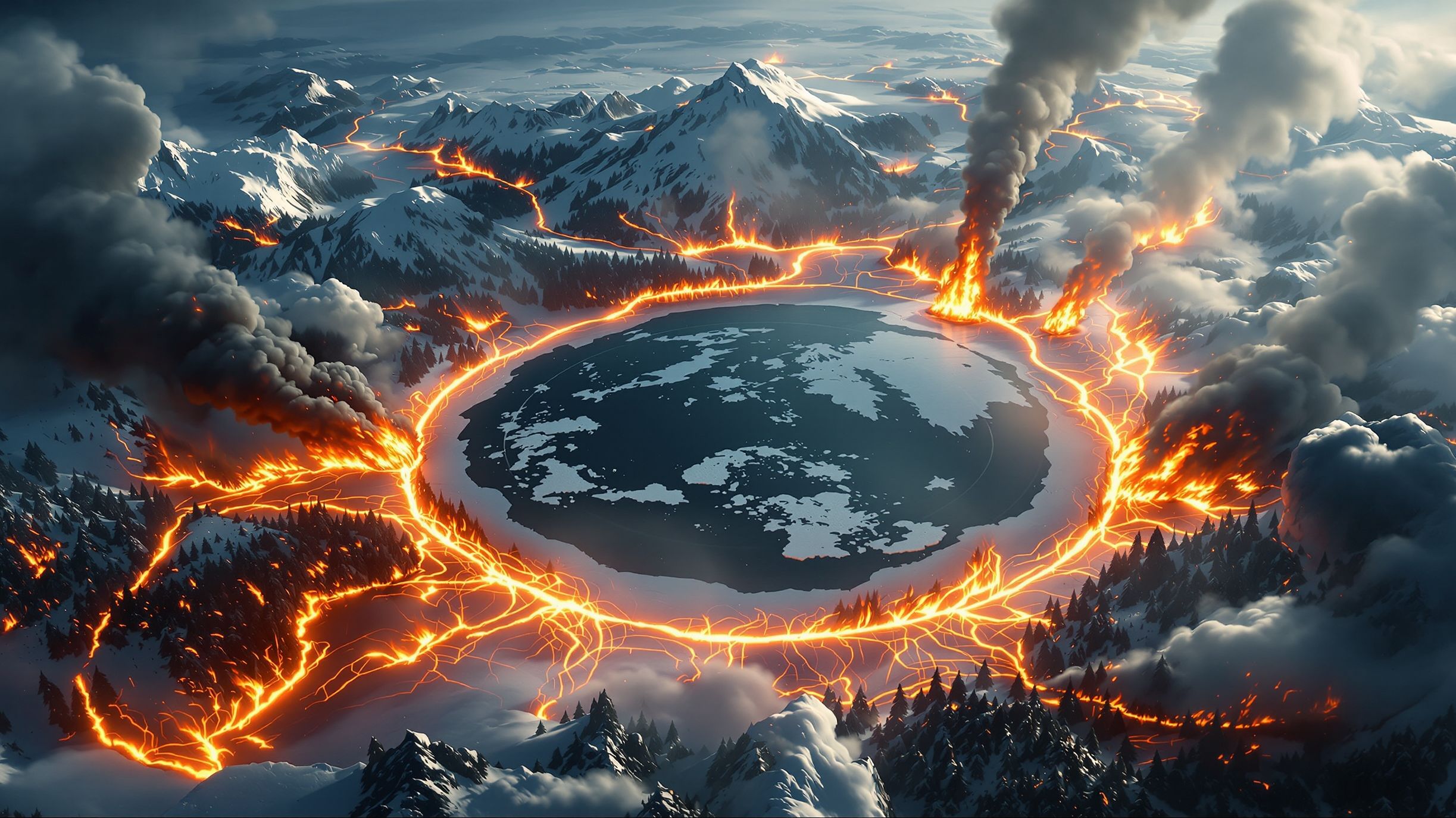
Earth’s climate system is filled with complex interactions that constantly influence temperature, weather, oceans, ecosystems, and atmospheric conditions. Among the most important of these interactions are carbon feedback loops, natural processes that can either amplify or reduce climate change. These feedback systems play a major role in determining how quickly Earth warms, how ecosystems respond, and how stable the planet’s climate remains over time. A carbon feedback loop occurs when changes in climate affect the movement or storage of carbon in ways that then influence the climate further. Some feedback loops increase warming by releasing additional greenhouse gases into the atmosphere, while others help slow warming by absorbing or storing carbon. Because carbon dioxide and methane are powerful greenhouse gases, even relatively small changes in carbon movement can significantly affect global temperatures. Scientists study carbon feedback loops closely because they have enormous implications for Earth’s future climate. Certain feedback loops may accelerate warming beyond current projections, while others may weaken natural systems that normally absorb carbon from the atmosphere. Understanding these processes is essential for predicting future climate conditions and developing strategies to reduce environmental risks. Carbon feedback loops connect nearly every part of Earth’s climate system. Oceans, forests, soils, glaciers, permafrost, and atmospheric circulation all influence how carbon moves around the planet. As temperatures rise, these systems are changing rapidly, creating feedback effects that may reshape Earth’s climate for centuries to come.
A: It is a process where climate change alters carbon storage or release, which then affects future climate change.
A: A positive feedback amplifies change, such as warming that causes more greenhouse gas release.
A: A negative feedback reduces change, such as increased carbon uptake that slows warming.
A: Thawing permafrost can expose ancient organic carbon that microbes convert into greenhouse gases.
A: Forests store carbon, but drought, fire, pests, and clearing can turn them into carbon sources.
A: Yes, warmer oceans may absorb carbon differently and affect marine carbon storage.
A: No, some feedbacks can slow warming, but many major concerns involve feedbacks that intensify it.
A: Strong feedbacks can push systems toward thresholds where changes become difficult to reverse.
A: Yes, reducing emissions and protecting forests, wetlands, soils, and oceans can lower feedback pressure.
A: They influence how quickly Earth warms and how difficult future climate impacts may become.
Understanding Climate Feedback Loops
A feedback loop occurs when a change within a system triggers additional changes that either reinforce or counteract the original effect. In climate science, feedback loops can be either positive or negative. A positive feedback loop amplifies the original change, while a negative feedback loop reduces or stabilizes it.
The word “positive” in this context does not mean beneficial. A positive feedback loop simply means the process strengthens itself. For example, warming temperatures may cause frozen carbon stores to thaw and release greenhouse gases, which then create additional warming that triggers even more carbon release.
Negative feedback loops work differently. These systems help stabilize climate conditions by reducing the impact of changes. For example, increased plant growth in some regions may absorb additional carbon dioxide from the atmosphere and slightly reduce warming.
Climate feedback loops are important because they influence how Earth responds to greenhouse gas emissions. Some feedbacks occur relatively quickly, while others unfold over decades, centuries, or even thousands of years. Together, these interactions shape the long-term behavior of Earth’s climate system.
Carbon and the Greenhouse Effect
To understand carbon feedback loops, it is important to understand the greenhouse effect. Earth’s atmosphere contains greenhouse gases such as carbon dioxide and methane that trap heat and help keep the planet warm enough for life. Without these gases, Earth would be far colder and largely uninhabitable.
However, increasing greenhouse gas concentrations strengthen the greenhouse effect and raise global temperatures. Human activities such as burning fossil fuels, deforestation, and industrial processes have dramatically increased atmospheric carbon dioxide levels since the Industrial Revolution.
As the climate warms, natural systems that store or release carbon begin to change. Some systems absorb less carbon than before, while others release stored carbon into the atmosphere. These changes can create powerful feedback loops that intensify warming.
Carbon feedback loops matter because they can influence whether climate change progresses gradually or accelerates more rapidly over time.
Permafrost Thaw and Methane Release
One of the most concerning carbon feedback loops involves permafrost thaw in Arctic regions. Permafrost is permanently frozen ground that contains enormous amounts of ancient organic material and carbon accumulated over thousands of years.
As Arctic temperatures rise, permafrost begins to thaw. Microorganisms break down the thawed organic matter and release greenhouse gases such as carbon dioxide and methane into the atmosphere. Methane is especially powerful because it traps much more heat than carbon dioxide over shorter timescales.
This creates a dangerous positive feedback loop. Warming causes permafrost thaw, which releases greenhouse gases that contribute to additional warming. That extra warming then accelerates further permafrost thaw and carbon release.
Scientists estimate that Arctic permafrost contains vast amounts of stored carbon. If large portions of this carbon are released, global warming could intensify significantly. Because Arctic regions are warming faster than much of the rest of the world, this feedback loop is one of the most closely studied climate processes today.
Melting Ice and the Albedo Feedback
Ice and snow play a major role in regulating Earth’s temperature because they reflect sunlight back into space. This reflectivity is known as albedo. Bright ice surfaces absorb far less solar energy than darker surfaces such as oceans or forests.
As global temperatures rise, glaciers, sea ice, and snow cover begin melting. When ice disappears, darker land or ocean surfaces become exposed and absorb much more heat from the Sun. This increases warming and leads to additional ice loss.
Although the albedo feedback is not strictly a carbon feedback loop, it strongly interacts with carbon-driven warming. Reduced ice coverage accelerates global temperature increases, which then influence carbon storage systems such as forests, soils, and permafrost.
The Arctic provides one of the clearest examples of this process. Shrinking sea ice allows more solar energy to be absorbed by the ocean, intensifying regional warming and contributing to further ice decline.
Forest Dieback and Carbon Loss
Forests are among Earth’s largest natural carbon sinks because trees absorb carbon dioxide during photosynthesis and store carbon within wood, leaves, roots, and soil. Healthy forests help slow climate change by removing carbon from the atmosphere.
However, climate change can weaken forests and reduce their ability to store carbon. Rising temperatures, droughts, pests, and wildfires are already damaging forests in many parts of the world. When forests burn or die, stored carbon returns to the atmosphere as carbon dioxide.
This creates another positive feedback loop. Warming damages forests, releasing carbon that contributes to additional warming, which then increases the risk of further forest decline.
Tropical rainforests are especially important because they absorb enormous amounts of carbon every year. Scientists are concerned that severe droughts and deforestation could weaken the Amazon rainforest to the point where parts of it shift from absorbing carbon to releasing it.
Boreal forests in northern regions are also vulnerable to warming, wildfires, and insect outbreaks that may transform these ecosystems and alter global carbon storage patterns.
Ocean Warming and Reduced Carbon Absorption
The oceans are Earth’s largest active carbon sink and absorb large amounts of carbon dioxide from the atmosphere. Cold ocean water is especially effective at dissolving carbon dioxide, helping reduce atmospheric greenhouse gas levels.
However, warming oceans may become less efficient at absorbing carbon. Warmer water holds less dissolved gas than colder water, meaning rising ocean temperatures could reduce future carbon uptake.
Ocean warming also affects marine ecosystems such as phytoplankton, tiny organisms that perform photosynthesis and absorb carbon dioxide. Changes in ocean circulation, acidity, and temperature may disrupt these ecosystems and alter the ocean’s role in the carbon cycle.
This creates another potential positive feedback loop. Warming reduces ocean carbon absorption, leaving more carbon dioxide in the atmosphere and contributing to additional warming.
Scientists are closely monitoring how climate change may affect the oceans’ ability to continue functioning as major carbon sinks in the future.
Wildfires and Atmospheric Carbon
Wildfires are natural parts of many ecosystems, but climate change is increasing the frequency and intensity of fires in many regions. Hotter temperatures and prolonged droughts create drier vegetation that burns more easily and more intensely.
When forests and grasslands burn, enormous amounts of stored carbon are released into the atmosphere as carbon dioxide. Wildfires also destroy vegetation that would otherwise continue absorbing carbon through photosynthesis.
This creates another positive carbon feedback loop. Warming increases wildfire risk, fires release carbon into the atmosphere, and additional carbon contributes to further warming.
Large wildfire seasons in regions such as North America, Australia, and Siberia have demonstrated how climate change and carbon feedbacks can interact. Smoke from massive fires can even influence atmospheric conditions and air quality across continents.
Soil Carbon Feedbacks
Soils contain more carbon than the atmosphere and vegetation combined. Organic material such as dead plants, roots, and microorganisms store large amounts of carbon within the ground.
As temperatures rise, microbial activity in soils often increases, accelerating decomposition and releasing more carbon dioxide into the atmosphere. Droughts and land degradation can also reduce soil carbon storage capacity.
Agricultural practices, deforestation, and erosion further influence soil carbon dynamics. Disturbing soils can expose stored organic material and increase carbon emissions.
Some ecosystems, however, may temporarily increase carbon storage under certain conditions. Increased plant growth in some regions could absorb additional carbon dioxide, creating a negative feedback effect that partially offsets warming.
The balance between carbon release and carbon storage in soils remains an active area of climate research because soil systems are highly complex and vary across regions.
Carbon Feedbacks and Tipping Points
Scientists are concerned that certain feedback loops could push parts of Earth’s climate system toward tipping points. A tipping point occurs when a system changes rapidly and becomes difficult or impossible to reverse.
For example, extensive loss of Arctic sea ice, major ice sheet collapse, large-scale rainforest dieback, or widespread permafrost thaw could trigger major climate shifts that accelerate warming even further.
Tipping points matter because they may cause climate changes to become self-reinforcing. Once certain feedback loops become strong enough, they may continue driving warming even if human emissions decrease.
Although scientists continue studying exactly where these tipping points may exist, many researchers agree that reducing greenhouse gas emissions quickly is important for limiting the risk of triggering large-scale climate feedbacks.
Negative Carbon Feedback Loops
Not all carbon feedback loops increase warming. Some natural systems can help slow climate change through negative feedback effects.
For example, higher carbon dioxide levels may increase plant growth in certain regions because plants use carbon dioxide during photosynthesis. This process, sometimes called carbon fertilization, can temporarily increase carbon absorption.
Certain ecosystems such as wetlands, forests, and healthy soils may also continue storing additional carbon under favorable conditions. Weathering of rocks slowly removes carbon dioxide from the atmosphere over geological timescales.
However, scientists generally believe that positive warming feedbacks currently pose greater risks than negative feedbacks because many natural carbon sinks are already under stress from rising temperatures and environmental disruption.
Why Carbon Feedback Loops Matter for the Future
Carbon feedback loops matter because they influence how Earth’s climate responds to greenhouse gas emissions. These feedbacks can accelerate warming, weaken natural carbon sinks, intensify extreme weather, and reshape ecosystems across the planet.
Many climate models already include major feedback processes, but some feedbacks remain difficult to predict with precision. The interactions between oceans, forests, soils, ice, and atmospheric systems are extremely complex.
Understanding feedback loops is essential for predicting future climate conditions and evaluating how quickly environmental changes may occur. Feedbacks also highlight why climate change is not simply a linear process. Small temperature increases can trigger much larger system-wide effects through interconnected feedback mechanisms.
Scientists continue studying carbon feedback loops to better understand the long-term stability of Earth’s climate and the risks associated with ongoing greenhouse gas emissions.
The Invisible Loops Shaping Earth’s Climate
Carbon feedback loops are among the most important processes shaping Earth’s climate future. They connect the atmosphere, oceans, forests, soils, ice sheets, and ecosystems into one vast and constantly interacting planetary system.
Some feedback loops help stabilize the climate, while others amplify warming and environmental change. Melting permafrost, shrinking forests, warming oceans, and increasing wildfires all demonstrate how climate change can trigger additional carbon release and intensify global warming.
These feedback systems matter because they influence how quickly Earth changes and how severe future climate impacts may become. They reveal that Earth’s climate is not controlled by a single factor but by countless interconnected processes working together continuously.
Understanding carbon feedback loops helps explain why climate scientists are concerned about rising temperatures and why reducing greenhouse gas emissions remains critical for limiting future climate risks. These invisible loops may ultimately determine how stable Earth’s climate remains in the decades and centuries ahead.