Earth’s climate system is constantly changing through interactions between the atmosphere, oceans, land, ice, ecosystems, and energy from the Sun. Some changes in the climate system create effects that strengthen the original change, while others trigger processes that counteract it. These self-reinforcing or self-balancing processes are known as feedback loops, and they play a major role in determining how Earth’s climate behaves over time. Climate feedback loops are essential because they influence how quickly warming occurs, how stable environmental systems remain, and how Earth responds to natural and human-driven changes. Some feedback loops amplify climate change and make warming more intense, while others help regulate and stabilize the climate by reducing the impact of disturbances. Scientists divide climate feedbacks into two main categories: positive feedback loops and negative feedback loops. Positive feedback loops strengthen or accelerate an initial change. Negative feedback loops reduce or counteract a change and help restore balance within the system. Both types exist naturally throughout Earth’s climate, and both influence weather, temperatures, oceans, glaciers, forests, and atmospheric circulation. Understanding the difference between positive and negative climate feedback loops is critical for understanding climate change itself. These feedback systems help explain why certain environmental changes can accelerate rapidly and why some natural systems may become unstable as global temperatures rise.
A: A climate feedback loop happens when a climate change triggers effects that influence the original change.
A: A positive feedback amplifies climate change, such as warming that melts ice and increases heat absorption.
A: A negative feedback reduces or stabilizes climate change, such as increased carbon absorption by growing plants.
A: Darker surfaces absorb more sunlight than reflective ice, increasing heat absorption.
A: Warmer air holds more water vapor, which traps additional heat in the atmosphere.
A: Yes, forests absorb carbon dioxide and help store carbon in vegetation and soils.
A: Clouds can cool Earth by reflecting sunlight or warm it by trapping heat.
A: Oceans store heat and carbon, affecting atmospheric temperatures and circulation.
A: No, some feedbacks help stabilize climate systems while others intensify change.
A: They influence the speed, intensity, and long-term effects of climate change.
What Is a Climate Feedback Loop?
A climate feedback loop occurs when one environmental change triggers additional effects that either amplify or reduce the original change. Feedback loops are common in nature and exist in many systems beyond climate science, but they are especially important within Earth’s climate because they influence long-term temperature balance and environmental stability.
Every feedback loop begins with an initial change. That change may involve rising temperatures, increasing greenhouse gases, melting ice, changing ocean conditions, or shifts in ecosystems. The climate system then responds through processes that either strengthen or weaken the original effect.
If the response intensifies the original change, it is called a positive feedback loop. If the response counteracts or reduces the original change, it is called a negative feedback loop.
Feedback loops are important because they determine whether climate changes remain moderate or become amplified over time. They also reveal how interconnected Earth’s systems truly are. Oceans, forests, clouds, glaciers, soils, and atmospheric circulation all participate in feedback processes that influence the planet’s climate.
Understanding Positive Feedback Loops
A positive feedback loop strengthens or accelerates an initial environmental change. In climate systems, positive feedback loops often increase warming and make climate change more severe over time.
The term “positive” does not mean beneficial. It simply refers to a process that reinforces itself. Once a positive feedback loop begins, it can create a chain reaction where one change triggers another, which then strengthens the original effect even further.
Positive feedback loops are especially important in climate science because they can push systems toward instability or rapid transformation. Some of the most concerning climate feedbacks today involve ice melt, carbon release, ocean warming, and ecosystem decline.
Scientists study positive feedback loops closely because they may increase future warming beyond what would occur from greenhouse gas emissions alone.
The Ice-Albedo Positive Feedback
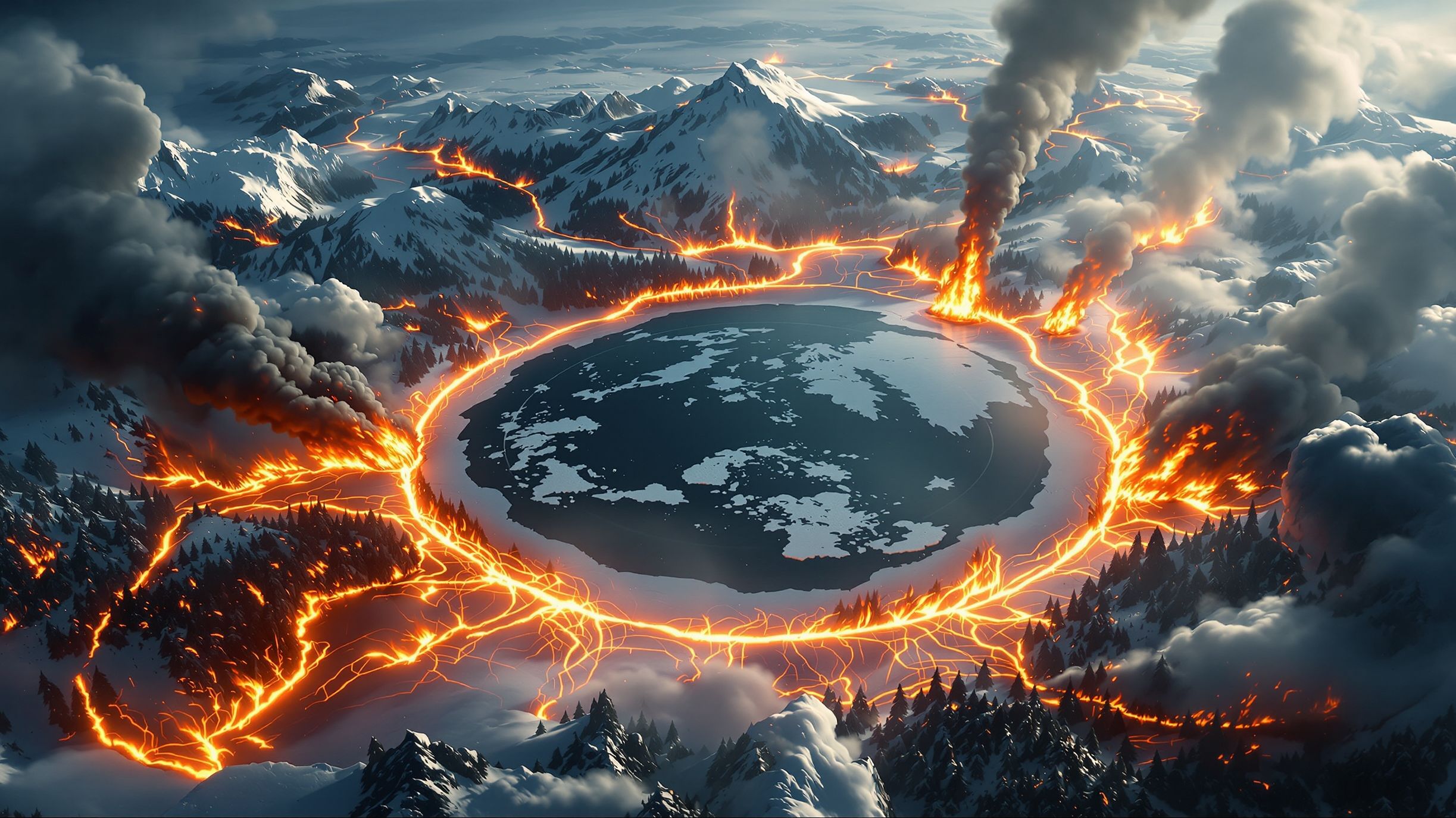
One of the most well-known positive climate feedback loops involves ice and snow. Bright ice surfaces reflect much of the Sun’s energy back into space through a process called the albedo effect. This reflection helps keep Earth cooler.
As temperatures rise, glaciers, sea ice, and snow begin to melt. When ice disappears, darker land or ocean surfaces become exposed. Dark surfaces absorb much more solar energy than reflective ice, causing additional warming.
This extra warming leads to even more ice melt, exposing more dark surfaces and increasing heat absorption further. The cycle continues reinforcing itself in a classic positive feedback loop.
The Arctic is one of the clearest examples of this process. Arctic sea ice has declined dramatically in recent decades, and the exposed ocean water absorbs increasing amounts of solar energy each summer. This contributes to Arctic amplification, where polar regions warm faster than much of the rest of the planet.
Permafrost and Carbon Release
Another major positive feedback loop involves permafrost thaw in Arctic regions. Permafrost is permanently frozen ground containing enormous amounts of ancient organic material and carbon.
As global temperatures rise, permafrost begins thawing. Microorganisms break down the thawed organic matter and release greenhouse gases such as carbon dioxide and methane into the atmosphere. Methane is especially powerful because it traps much more heat than carbon dioxide over shorter periods.
The released greenhouse gases intensify warming, which causes even more permafrost thaw and additional carbon release. This creates a self-reinforcing warming cycle that scientists consider one of the most concerning climate feedback loops.
Because Arctic regions contain massive stores of frozen carbon, widespread permafrost thaw could significantly accelerate global warming in the future.
Wildfires as Positive Feedback Loops
Climate change is increasing wildfire frequency and intensity in many regions of the world. Hotter temperatures and prolonged droughts create dry vegetation that burns more easily and more severely.
When forests and grasslands burn, large amounts of stored carbon are released into the atmosphere as carbon dioxide. Fires also destroy vegetation that would otherwise absorb carbon through photosynthesis.
This creates another positive feedback loop. Warming increases wildfire risk, fires release greenhouse gases, and those emissions contribute to further warming that increases future fire risk.
Large wildfire seasons in regions such as Canada, Siberia, Australia, and the western United States demonstrate how closely connected climate change and wildfire feedbacks have become.
Ocean Warming and Reduced Carbon Absorption
The oceans absorb large amounts of carbon dioxide from the atmosphere, helping reduce greenhouse gas concentrations. However, warming oceans may become less effective at absorbing carbon over time.
Cold water absorbs dissolved gases more efficiently than warm water. As ocean temperatures rise, seawater holds less carbon dioxide. Warmer oceans may therefore absorb less atmospheric carbon, leaving more greenhouse gases in the atmosphere.
This creates another positive feedback loop. Warming reduces ocean carbon absorption, additional carbon remains in the atmosphere, and global temperatures continue increasing.
Ocean warming also affects marine ecosystems such as phytoplankton, which play major roles in carbon cycling and atmospheric carbon removal.
Understanding Negative Feedback Loops
Negative feedback loops work differently from positive feedback loops. Instead of amplifying changes, negative feedback loops reduce or counteract the original effect and help stabilize the climate system.
These feedbacks act like balancing mechanisms that resist large environmental changes. Negative feedback loops are extremely important because they help maintain long-term climate stability and prevent some changes from becoming completely uncontrolled.
Earth’s climate contains several natural negative feedback systems that help regulate temperatures, atmospheric chemistry, and energy balance. Without these stabilizing processes, Earth’s climate might fluctuate much more dramatically.
Although negative feedback loops help slow or reduce changes, they do not always fully cancel out positive feedbacks. Scientists are concerned because many warming-related positive feedbacks may now be becoming stronger than some natural stabilizing processes.
Increased Plant Growth as a Negative Feedback
One example of a negative climate feedback involves plant growth and carbon absorption. Plants use carbon dioxide during photosynthesis to produce energy and build tissues. In some environments, higher atmospheric carbon dioxide levels can stimulate plant growth.
As plants grow larger or more rapidly, they may absorb additional carbon dioxide from the atmosphere and store more carbon within biomass and soils. This process can slightly reduce atmospheric greenhouse gas concentrations and partially counteract warming.
Forests, grasslands, wetlands, and marine ecosystems all contribute to this natural carbon absorption system. Healthy ecosystems therefore act as important climate stabilizers.
However, this negative feedback has limits. Droughts, wildfires, deforestation, nutrient shortages, and extreme heat can reduce plant growth and weaken ecosystems’ ability to absorb carbon.
Cloud Reflection Feedbacks
Clouds can create both positive and negative climate feedbacks depending on their type, altitude, and location. Some clouds reflect sunlight back into space and help cool Earth’s surface.
As temperatures rise, increased evaporation may produce more cloud formation in certain regions. If these clouds reflect enough solar radiation, they may help reduce warming by limiting the amount of sunlight reaching Earth’s surface.
This process represents a negative feedback loop because warming triggers increased reflection that counteracts additional warming.
However, cloud feedbacks are extremely complex because some clouds also trap outgoing heat and contribute to warming. Scientists continue studying cloud behavior because it remains one of the largest uncertainties in climate modeling.
Weathering and Geological Feedbacks
Over very long timescales, geological processes create important negative climate feedback loops. One example involves the chemical weathering of rocks.
Rainwater absorbs carbon dioxide from the atmosphere and reacts chemically with rocks on Earth’s surface. This process slowly removes carbon dioxide from the atmosphere and transports dissolved carbon into rivers and oceans where it may eventually become trapped in sediments or limestone formations.
Warmer temperatures and increased rainfall can accelerate weathering rates slightly, increasing carbon removal over time. This geological feedback helps stabilize Earth’s climate over millions of years.
Although weathering operates far too slowly to offset modern human emissions quickly, it remains one of Earth’s most important long-term climate stabilizers.
Why Positive Feedbacks Are So Concerning
Scientists are especially concerned about positive feedback loops because they can amplify climate change and potentially push Earth toward environmental tipping points. A tipping point occurs when a system changes rapidly and becomes difficult or impossible to reverse.
For example, large-scale ice sheet collapse, major rainforest dieback, or widespread permafrost thaw could trigger feedback loops that continue driving warming even if human emissions decrease.
Positive feedbacks matter because they mean climate change is not always a simple or gradual process. Small increases in temperature can trigger larger environmental changes through interconnected feedback systems.
These feedbacks may also interact with one another. Warming can increase wildfires, which release carbon and reduce forest cover, weakening carbon absorption and intensifying warming further. Multiple feedback loops working together may create much larger impacts than any single feedback alone.
Climate Balance and Earth’s Stability
Earth’s climate has remained relatively stable for thousands of years partly because positive and negative feedback loops exist together in balance. Natural systems continuously interact to regulate atmospheric composition, temperatures, ocean circulation, and ecosystem productivity.
However, human activities are now rapidly altering this balance. Greenhouse gas emissions from fossil fuels, deforestation, and industrial processes are intensifying warming faster than many natural negative feedback systems can compensate for.
Scientists continue studying feedback loops because understanding them is essential for predicting future climate conditions. Climate models attempt to include major feedback systems, but many feedbacks remain difficult to predict precisely because Earth’s systems are so interconnected and complex.
The balance between positive and negative feedback loops will strongly influence how severe future climate change becomes.
The Invisible Forces Driving Climate Change
Positive and negative feedback loops are among the most important processes shaping Earth’s climate. Positive feedback loops amplify changes and can accelerate warming, while negative feedback loops help stabilize the climate and resist large environmental shifts.
From melting ice and thawing permafrost to growing forests and reflective clouds, feedback systems connect oceans, ecosystems, atmosphere, and geology into one massive planetary network. These invisible processes influence global temperatures, weather patterns, carbon movement, and long-term climate stability.
Understanding feedback loops helps explain why climate change can become increasingly complex and difficult to predict. Earth’s climate is not controlled by a single factor but by countless interconnected systems constantly interacting with one another.
As global temperatures continue rising, the balance between positive and negative feedback loops may determine how rapidly Earth changes in the future. These hidden forces are shaping the planet every day, influencing not only the climate itself but the future stability of ecosystems, coastlines, weather systems, and human societies around the world.