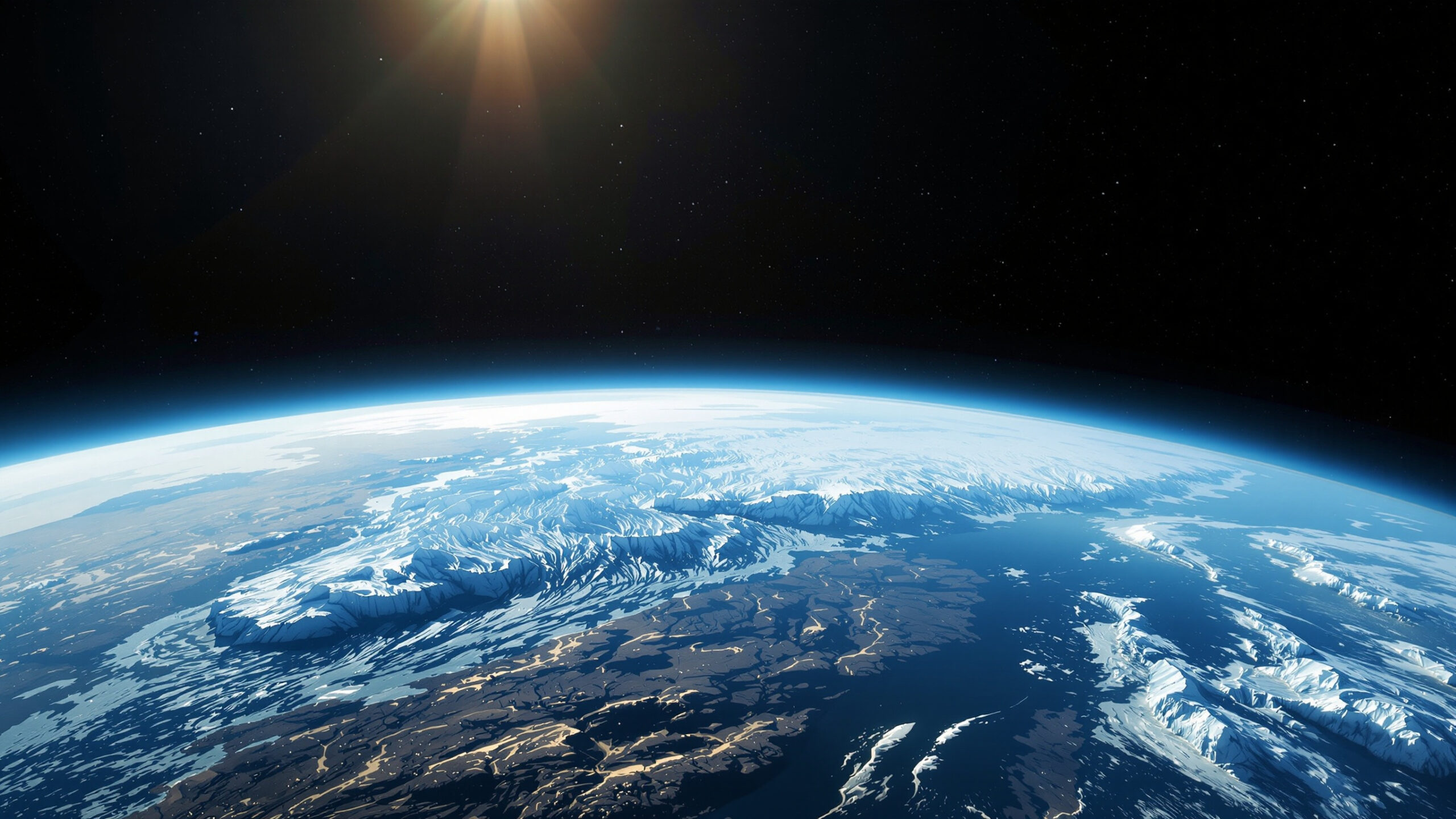
The oceans are far more than vast reservoirs of water covering Earth’s surface. They are the backbone of the planet’s climate system, quietly absorbing, storing, and redistributing heat on a global scale. Ocean currents act as Earth’s slow-moving climate regulators, moving energy across hemispheres, shaping weather patterns, and stabilizing temperatures over decades to centuries. Without them, regional climates would swing wildly, coastlines would experience extreme temperature contrasts, and the balance that allows life to thrive would unravel.
A: They redistribute heat and moisture, shaping regional temperatures, rainfall, and storm tracks.
A: Surface currents are wind-driven; deep circulation is density-driven and moves water through the global ocean interior.
A: The Gulf Stream is a surface current; AMOC is a broader overturning system that includes deep return flows.
A: Freshwater can reduce surface salinity and density, potentially changing sinking processes and circulation strength.
A: It shifts tropical heat and convection, which ripples through the atmosphere and redirects jet streams.
A: Yes—warm waters increase evaporation and provide energy that can intensify tropical cyclones and heavy rain events.
A: Upwelling and cold currents bring cooler water to the surface, chilling the air and stabilizing conditions.
A: They use floats, drifters, satellites (sea level/temperature), and moored instruments to infer flow patterns.
A: Shifts in sea surface temperature patterns, sea level gradients, and measured current speeds in key regions.
A: The ocean is Earth’s heat delivery system—moving warmth, cooling, and moisture around like a global circulation belt.
Oceans as the Planet’s Heat Engine
Water has an exceptional ability to store heat. Compared to land or air, the ocean can absorb enormous amounts of energy with relatively small temperature changes. This property allows the oceans to function as Earth’s primary heat buffer. When the planet warms, the oceans absorb most of the excess heat. When conditions cool, they release stored energy back into the atmosphere. Ocean currents determine where this heat goes and how long it remains stored, making them central to climate regulation.
The Uneven Heating of Earth
The Sun does not heat Earth evenly. Tropical regions receive far more solar energy than polar regions. If this energy imbalance were left unchecked, the equator would become increasingly hot while the poles would remain deeply frozen. Ocean currents exist largely to correct this imbalance. By transporting warm water away from the tropics and carrying cooler water back toward lower latitudes, the oceans help equalize temperatures across the globe.
Surface Currents and Wind-Driven Motion
Surface ocean currents are driven primarily by global wind patterns. Trade winds and westerlies push water across the ocean surface, creating large circulating systems known as gyres. These currents move warm water from equatorial regions toward higher latitudes and return cooler water toward the tropics. Coastal climates are heavily influenced by these surface flows, which explain why some regions experience mild temperatures despite their latitude.
The Influence of Warm and Cold Currents
Warm ocean currents transport heat from low latitudes toward the poles, moderating climates along their paths. Cold currents flow from higher latitudes toward the equator, cooling nearby regions and often contributing to dry coastal conditions. The contrast between warm and cold currents shapes regional weather, influencing precipitation patterns, storm development, and seasonal variability.
The Deep Ocean and Density-Driven Circulation
Beneath the surface lies a slower but equally powerful system known as deep ocean circulation. This movement is driven by differences in water density, which depend on temperature and salinity. Cold, salty water is denser and sinks, while warmer, fresher water remains near the surface. This process creates a global conveyor-like circulation that moves water and heat through the depths of the ocean over hundreds to thousands of years.
The Global Overturning Circulation
The deep ocean circulation connects all major ocean basins into a single system often referred to as the global overturning circulation. This system transports heat from the surface into the deep ocean and redistributes it across the planet. It plays a critical role in regulating long-term climate by storing heat for centuries and releasing it slowly, delaying the full impact of surface warming.
Heat Storage and Climate Stability
One of the most important climate functions of ocean currents is heat storage. Excess heat absorbed by the oceans does not immediately affect surface temperatures. Instead, currents move heat into deeper layers where it can remain for decades. This buffering effect slows the pace of climate change, masking some impacts in the short term while committing the planet to longer-term warming.
Ocean Currents and Atmospheric Circulation
The oceans and atmosphere operate as a tightly coupled system. Warm ocean surfaces heat the air above them, driving evaporation and fueling atmospheric circulation. In turn, winds shape surface currents. This constant exchange of energy ensures that changes in ocean currents can quickly influence weather patterns, storm tracks, and rainfall far beyond the ocean itself.
Climate Patterns Shaped by Ocean Flow
Large-scale climate patterns are strongly influenced by ocean circulation. Changes in ocean heat distribution affect atmospheric pressure systems, altering wind patterns and precipitation. Shifts in ocean currents can lead to prolonged droughts, intense rainfall, or unusual temperature extremes across entire continents.
Ocean Currents and Extreme Weather
Ocean heat content influences the intensity of extreme weather events. Warm surface waters provide energy for powerful storms, while altered current patterns can cause weather systems to stall or intensify. As the oceans absorb more heat, the potential for extreme rainfall, stronger storms, and prolonged heatwaves increases.
The Role of Polar Oceans
Polar oceans play a unique role in global climate control. Cold, dense water formed near the poles sinks and drives deep circulation. Sea ice formation increases water salinity, enhancing this sinking process. Changes in polar regions can therefore ripple through the entire climate system, affecting heat transport far from the poles.
Freshwater Disruption and Circulation Slowdown
Melting ice adds freshwater to the oceans, reducing salinity and density. This can slow or disrupt deep ocean circulation, weakening the transport of heat. Such disruptions have the potential to cause abrupt climate shifts, altering temperature and precipitation patterns across large regions.
Past Climate Shifts Linked to Ocean Change
Earth’s climate history reveals that changes in ocean circulation have triggered rapid and dramatic climate shifts. Ice ages and abrupt warming events are often linked to reorganizations of ocean currents. These examples demonstrate how sensitive the climate system is to changes in ocean heat transport.
Ocean Currents and Carbon Storage
In addition to heat, ocean currents regulate the movement of carbon. The oceans absorb large amounts of carbon dioxide from the atmosphere, particularly in colder regions where gas dissolves more easily. Currents transport this carbon into the deep ocean, where it can remain stored for centuries. This process helps moderate atmospheric carbon levels and global temperatures.
Biological Feedbacks in Ocean Circulation
Marine life interacts with ocean currents in subtle but important ways. Phytoplankton absorb carbon through photosynthesis, influencing carbon storage and heat regulation. Nutrient-rich currents support biological productivity, linking ocean circulation to ecosystems and food webs that affect climate feedbacks.
Regional Climate Dependence on Ocean Flow
Many regions owe their climate stability to nearby ocean currents. Coastal temperatures, rainfall patterns, and seasonal variability are shaped by the flow of warm or cold water. Disruptions to these currents would fundamentally alter regional climates, affecting agriculture, water resources, and human settlement patterns.
Modern Climate Change and Ocean Response
As greenhouse gas concentrations rise, the oceans are absorbing increasing amounts of heat. This added energy is already altering current strength, circulation patterns, and stratification within the ocean. These changes may weaken some currents while strengthening others, reshaping how heat is distributed globally.
Delayed Consequences of Ocean Warming
Because ocean currents operate slowly, their response to warming unfolds over long timescales. Heat absorbed today may continue influencing climate decades into the future. This delay means that even if warming were stabilized, ocean-driven climate changes would continue to emerge.
Why Ocean Currents Matter for the Future
Understanding ocean currents is essential for predicting future climate change. They explain why warming is uneven, why some regions experience rapid shifts, and why climate impacts can lag behind emissions. Ocean circulation determines how resilient the climate system is and how quickly it responds to human influence.
A Hidden System with Global Reach
Ocean currents operate mostly out of sight, yet their influence extends everywhere. They regulate temperatures, shape weather, store heat and carbon, and connect distant regions into a single climate system. Recognizing their role reveals that Earth’s climate is not governed by the atmosphere alone but by the deep, persistent motion of the oceans.
The Slow Power Behind Climate Balance
Ocean currents are the slow power behind Earth’s climate balance. By moving heat across the planet and storing it over long periods, they provide stability in an otherwise volatile system. Protecting the integrity of ocean circulation is essential for maintaining a livable climate, underscoring how deeply Earth’s future is tied to the hidden currents flowing beneath the waves.