Leaving, keeping direction, and finding a destination are separate tasks
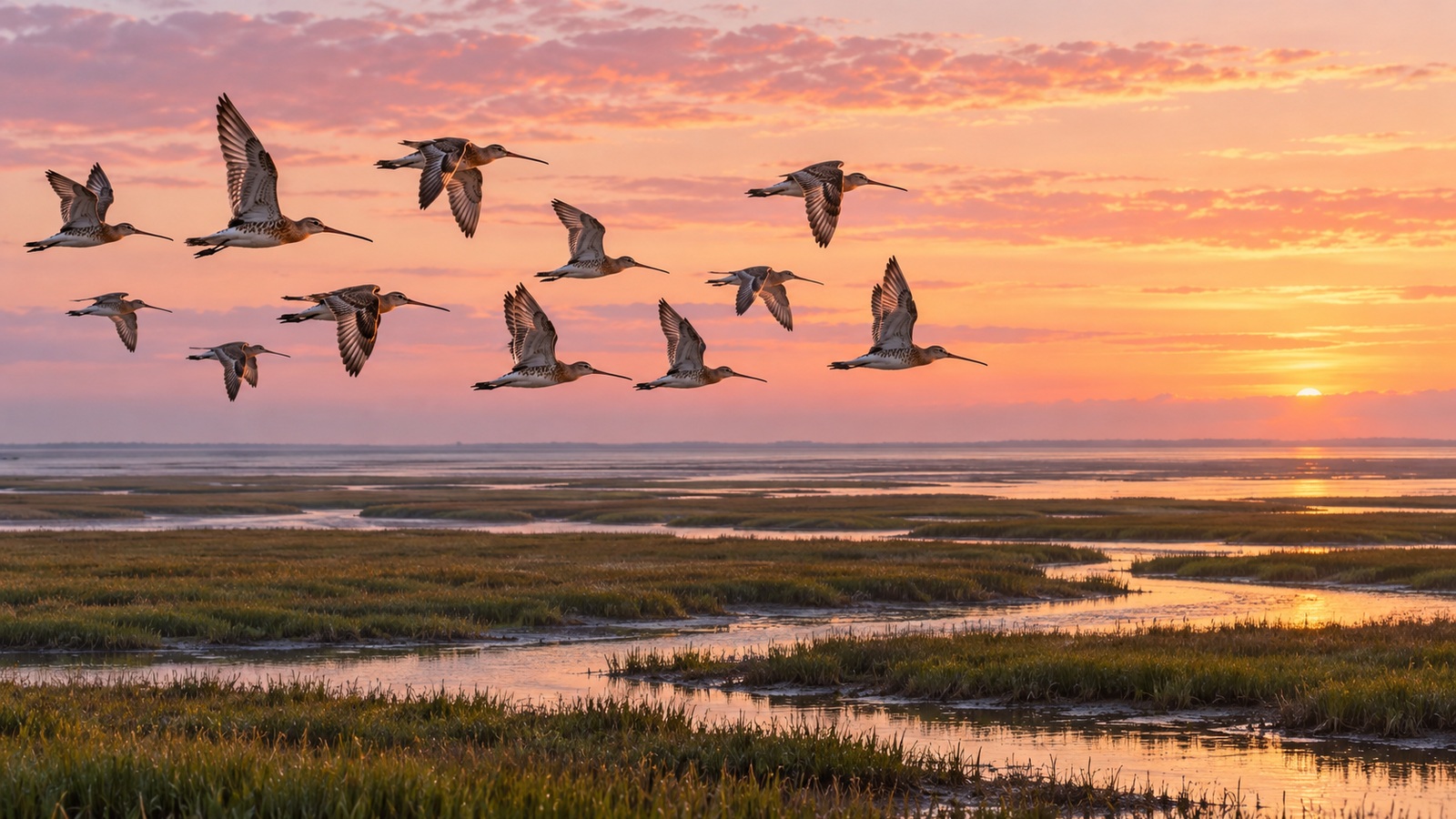
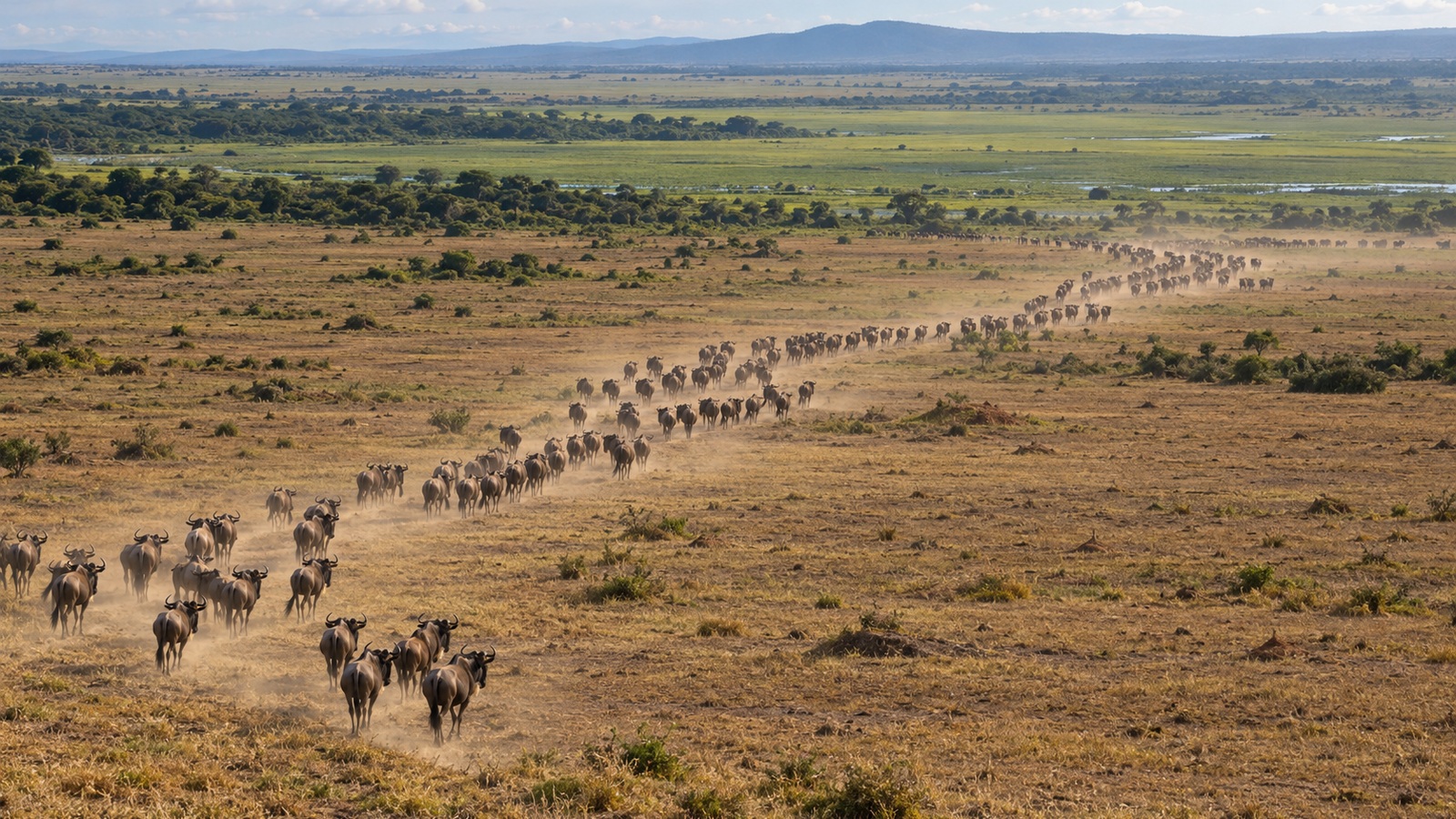
An animal beginning a seasonal journey must do more than point toward a distant habitat. It needs to prepare its body, depart at a workable time, maintain or adjust direction, and recognize useful places along the way. Different species solve these tasks through different combinations of inherited tendencies, internal timing, environmental cues, sensory information, and experience. Some travel with knowledgeable companions, while others begin without a parent showing the route. The familiar question of how wildlife knows where and when to move therefore contains several biological questions. There is no single migration instinct that explains every journey from a fish entering a river to an insect crossing a continent. Following the tasks separately makes the behavior easier to understand and reveals why a reliable historical route can become difficult when cues, weather, or habitat change.
A: Predictable seasonal signals can initiate preparation earlier.
A: Yes, if its relationship with later conditions changes.
A: A bearing alone does not provide a complete navigational map.
A: Some begin with inherited timing and directional tendencies.
A: In the studied reintroduced population, older companions contributed to more accurate later routes, providing evidence of social learning.
A: Different information may matter at different scales.
A: Final recognition and long-range travel can involve different tasks.
A: They can be appropriate adjustments for condition and weather.
A: Known habitats can lose food, acquire barriers, or develop conditions outside the animal's earlier experience.
A: Information cannot restore the physical resources needed for survival.
Preparation can begin before local conditions become difficult
Animals may respond to predictable seasonal signals before food disappears or weather becomes severe. Changes in day length can provide information about the annual calendar, while internal rhythms influence readiness. Depending on the species, preparation may involve increased feeding, changes in body reserves, altered activity, or physiological adjustments relevant to movement and later reproduction. The animal does not need to wait for a crisis at its current location before beginning a journey toward a future opportunity.
These responses do not mean every individual departs on the same date. Body condition, age, reproductive state, social setting, and local weather can modify behavior. An internal seasonal program provides part of the framework, while immediate conditions influence how it is expressed. This distinction helps explain why a migration can recur at a recognizable time of year yet vary among individuals and seasons. A calendar-like pattern and short-term flexibility can coexist within the same population.
Seasonal cues link preparation with a future opportunity
Seasonal signals connect an animal’s current environment with conditions that generally develop later. Day length, temperature, rain, and water flow can influence preparation or departure in different species. Those cues do not directly measure every place the animal will visit. A familiar departure rhythm can consequently lead to arrival before or after a distant food pulse if the two regions change at different rates. The animal may still be responding normally to the information available at home. The mismatch develops because the resource it is trying to reach now follows a different schedule, narrowing the period in which movement, feeding, and breeding fit together.
Holding a direction and reaching a destination use different information
Orientation is the ability to maintain a direction relative to a reference, such as a celestial or magnetic cue. Navigation also involves directing movement in relation to a destination or position. A young animal can follow an inherited bearing and seasonal schedule without remembering a place it has never visited. In unfamiliar surroundings, continuing that bearing does not necessarily lead toward its usual destination. An experienced traveler may use additional information from earlier journeys. Direction and familiarity therefore contribute different parts of finding the way.
Navigation can draw on several information sources, with their importance changing through the journey. A broad-scale cue may guide travel across unfamiliar terrain, while landmarks or local chemical signals help identify a final destination. The task is not necessarily solved by one sense from departure to arrival. A flexible combination can be useful because clouds, water conditions, darkness, or unfamiliar landscapes may make some information less available during particular parts of the route.
The information available changes along the route. A broad compass reference can help maintain travel across unfamiliar surroundings, while recognizable terrain or local odors become useful near a known destination. Wind or water movement can displace the animal from its intended path, making correction another part of the task. Reaching the right general region and identifying a final breeding place can therefore require different responses. A working migratory strategy combines those abilities with food and rest rather than relying on a single source of guidance for every stage.
Inherited programs can guide first journeys without a remembered route
Some young migrants begin with inherited timing and directional tendencies even though they have never visited the destination. Those tendencies organize an initial journey through a landscape the animal still has to encounter. Food, weather, barriers, and sensory cues shape its progress as it moves. Where learning is part of the species’ life history, later trips can draw on useful sites and conditions experienced before. Inheritance and learning then operate together: a seasonal program creates readiness, while experience changes how parts of the route are used. Different species depend on those contributions in different proportions, including migrants that travel without experienced relatives.
Learning and social information can refine the journey
Experience can help an animal recognize a productive feeding site or a familiar passage. Traveling with others can also expose a younger individual to routes it has not used before. The importance of that guidance varies: some migrants begin alone, while others move in social groups containing animals with several years of experience. A learned route carries information about where resources have been available and how a passage can be made. Keeping that route useful still depends on the condition of the places the group encounters.
Learned information is valuable only while the environment remains usable. A familiar stopover may deteriorate, a barrier may appear, or a known water source may fail. An experienced individual can have an advantage while still encountering conditions outside its prior experience. Loss of knowledgeable members may also matter in species where social traditions contribute to movement. Conservation can therefore involve preserving both habitat and the population structures through which useful behavior is maintained.
Different environments offer different sensory information
Migrants can draw on the sun, stars, Earth’s magnetic field, landmarks, currents, or chemical cues, depending on the species and environment. A celestial reference can supply direction across unfamiliar space, while an odor can help identify water associated with an earlier life stage. Their availability changes during a journey: cloud hides the sky, darkness alters visual detail, and water conditions change how chemical information reaches a fish. Combining different cues can keep guidance useful under those changing circumstances. The animal’s own sensory abilities determine which parts of the surrounding information it can detect and use.
Salmon show why final homing can differ from long-range travel
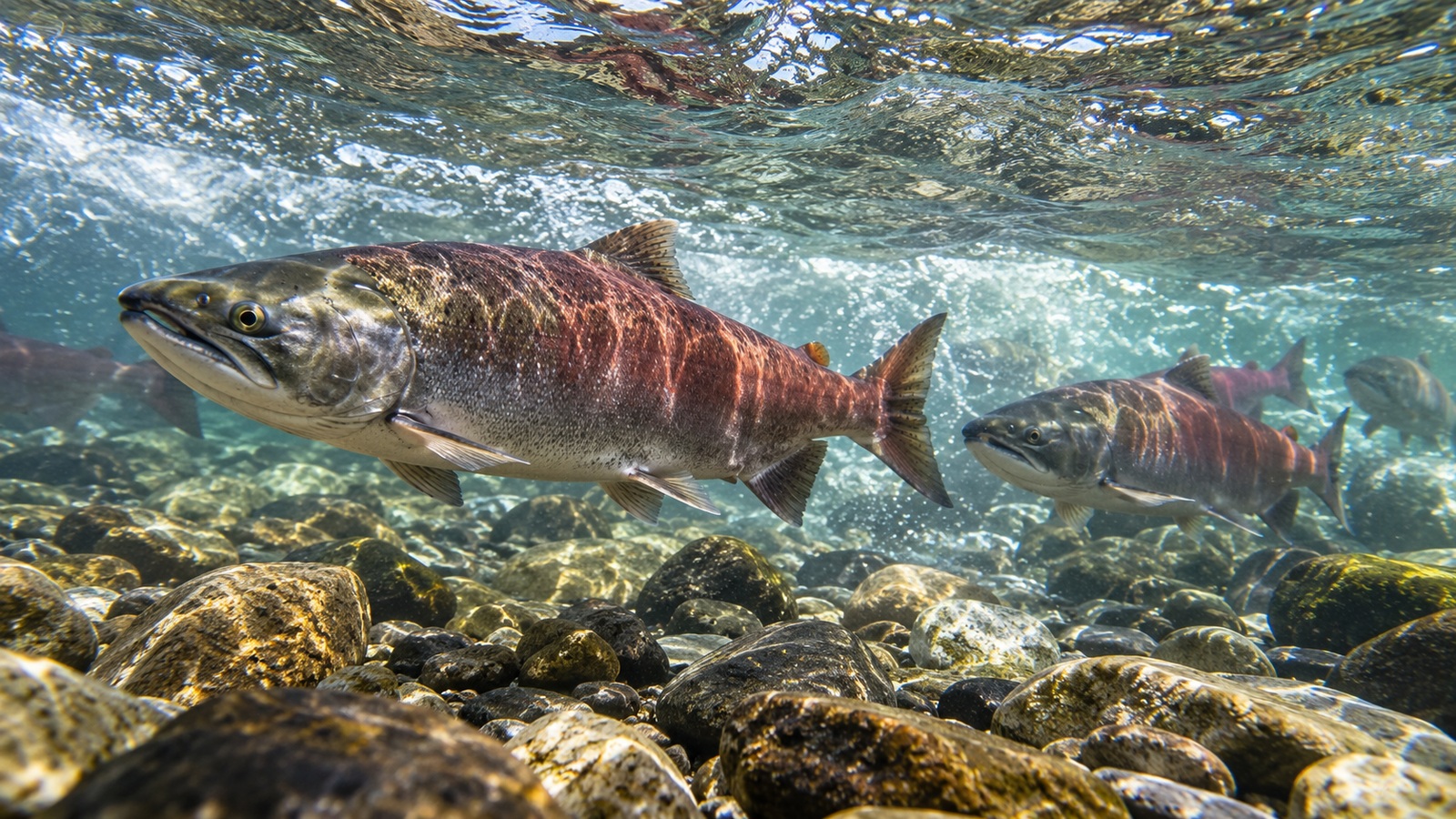
Many salmon move between marine feeding environments and freshwater spawning areas, with life histories varying among species and populations. Their journeys require physiological changes as well as movement through different habitats. Chemical information is important to recognition of natal waters in well-studied homing behavior, while the larger journey can involve other information and environmental conditions. NOAA’s Atlantic salmon overview describes a life cycle connecting freshwater and marine habitats. The endpoint is part of a sequence rather than an isolated return.
A salmon approaching its natal waters can recognize chemical information learned earlier in life, as described in NOAA’s research on olfaction and homing. The final river presents a different sensory environment from a broad marine feeding range. Even successful recognition does not provide passage through a blocked channel or water suitable for swimming and spawning. The fish needs both guidance and a usable physical route. Protecting flow and restoring access allow the behavior to reach its biological result: an adult arriving where eggs can develop and young can begin the next part of the life cycle.
Weather and condition influence decisions within the seasonal window
A migrant ready to leave may still delay or adjust movement in response to immediate conditions. Winds can change travel costs for flying animals, while water conditions affect swimming routes and access. Available food and body reserves influence how long an individual can continue or whether it needs to stop. These decisions create variation around the broad seasonal pattern. They can be sensitive to unusual conditions without requiring a change in the underlying annual program.
The journey unfolds through decisions to continue, wait, refuel, or change course. A flying migrant can benefit from favorable winds, while a reserve-depleted animal may need food before attempting the next barrier. Waiting changes the timing of arrival, but immediate travel in poor conditions can cost more energy or increase risk. Those choices build the route actually taken from the interaction of readiness, surroundings, and condition. A seasonal journey can remain regular in its broad pattern while varying substantially between individual passages.
Two animals leaving the same place can use different routes or remain at a stop for different lengths of time. One may arrive with larger reserves, while another has used more energy reaching it. Experience, earlier weather, and access to food can all contribute to those differences. Several workable responses can coexist within a population rather than every traveler following one ideal itinerary. Changes in the environment then affect those individuals differently, altering which routes and schedules remain successful.
Whooping cranes can learn from experienced companions
A 2013 study by Thomas Mueller and colleagues examined eight years of migration data from reintroduced whooping cranes. These captive-bred birds had initially learned a route behind ultralight aircraft. Later journeys took place without that escort, individually or in groups. The researchers found evidence that social learning from older birds improved route accuracy. This was a specific population with a documented training history, which made it possible to ask how experience affected later performance.
An older crane can bring experience of earlier routes into a later group journey. In the studied population, birds with known training and movement histories provided a way to follow that contribution across years. Their later flights occurred without the original aircraft escort, and the group could include individuals with different amounts of experience. The finding connects social behavior with navigation: traveling companions are part of the information available during the trip. Other migrants can begin without that guidance, so social learning adds to the variety of ways animals coordinate movement rather than replacing inherited or sensory responses.
Timing, guidance, and habitat must work together through the journey
The destination itself changes the kind of information useful at the end. A salmon approaches a particular water system, while an animal following rain-driven vegetation may seek a resource whose location shifts. Returning travelers can recognize features encountered before; animals reaching unfamiliar areas depend more on other available cues. A single annual cycle can contain both familiar and changing targets. Guidance works through that sequence of tasks, with the role of memory, direction, and current conditions shifting as the journey proceeds.
The route must also remain physically usable. A well-timed departure cannot supply food at a destroyed stopover, and recognizing a river does not remove a dam or restore its flow. Climate change can alter the distant conditions associated with an earlier departure cue. Successful movement therefore depends on more than getting the date or bearing right: the traveler needs resources and access through each stage. Survival and breeding connect the route back to the population’s next generation, making habitat continuity part of the same story as timing and guidance.
Wildlife knows when and where to move through combinations of biological timing, inherited tendencies, sensory information, and learning. The relative contribution differs: a first-time solitary migrant, an experienced crane in a group, and a salmon approaching its river do not solve precisely the same problem. Understanding those differences makes the behavior more intelligible without making it less remarkable. Migration succeeds when the animal’s information and preparation continue to fit the real habitats and conditions it encounters along the way.