Different parts of an ecosystem recover at different speeds
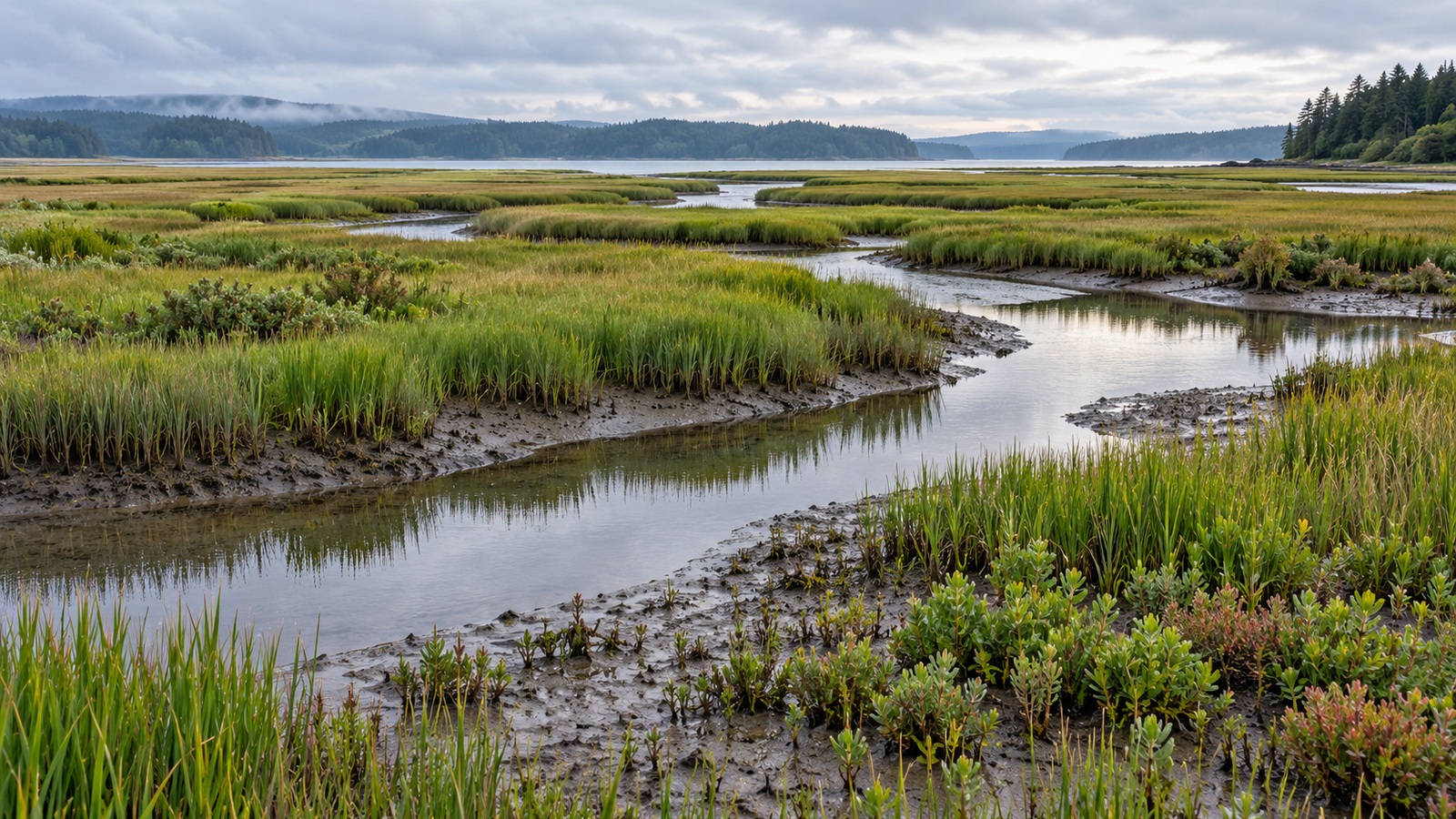
Virginia’s coastal bays show how much restoration can accomplish: eelgrass returned across thousands of hectares after seed additions helped overcome a barrier to regeneration. Associated animal populations did not all recover at the same pace. That uneven return is common in ecosystems, where water, vegetation, food webs, and breeding populations depend on different processes. Stopping a damaging activity can open the way for recovery, but it cannot replace every missing seed, restore every water connection, or immediately rebuild mature habitat. Some sites retain enough living sources to regenerate with little assistance, while others require several interventions. A changing climate and altered surroundings can further affect what persists. Ecosystems can regain defining native relationships under suitable conditions, but a return of vegetation may be the beginning of a much longer recovery rather than its completion.
A: A missing recruitment source can be repaired where conditions remain suitable, producing major habitat gains while some associated populations recover more slowly.
A: Natural regeneration may be sufficient when sources and suitable conditions remain.
A: Other constraints, missing organisms, or an unsuitable water pattern may persist.
A: No; survival, reproduction, relationships, and continuing conditions also need assessment.
A: Later feedbacks or missing ecological components may still prevent return.
A: Yes; organisms differ in dispersal and establishment requirements.
A: Some plants may lack seed sources, mature habitat features may take decades to develop, and globally lost species cannot return through ordinary recolonization.
A: A single improvement can conceal continuing limitations elsewhere in the system.
A: It can reveal whether the conditions needed for later recovery are developing.
A: Evidence that defining ecological features persist and renew under relevant conditions.
Recovery rebuilds organisms and the conditions they use
Ecological restoration assists the recovery of native ecosystems. The Society for Ecological Restoration’s international standards describe attributes including characteristic organisms, physical conditions, ecological processes, structure, and connections with surrounding systems. Those parts interact as recovery develops. A young plant needs suitable water and soil before it can establish, then time to create substantial habitat. Animals arriving later may depend on the food or shelter that develops as vegetation matures. Recovery can consequently advance in one part of the community while remaining limited in another.
A native ecosystem changes as it develops
A functioning native ecosystem is not frozen at one stage of development. Young trees, mature canopy, and old dead wood supply different habitats, while seasonal changes alter food and water availability. Surviving examples and historical records reveal some of those relationships, and local and Indigenous knowledge can retain information about longer patterns of change. A restoration site nevertheless has its own elevation, water connections, soil history, and disturbance regime. Nearby vegetation may reflect physical conditions that the damaged site does not share. Rebuilding the former community requires conditions within the organisms’ tolerances, along with sources from which they can return. A restored water connection can help recover those conditions, while an irreversible physical change can restrict which native features remain possible. Development then continues as organisms grow and interact across later seasons.
Climate and surrounding land use also keep changing. Warmer conditions can affect moisture, reproduction, or disturbance, while development beyond the site can interrupt movement. Recovery may recreate many of the former relationships without returning every historical detail. A wetland can regain seasonal flooding and native plants while still lacking an animal once common there. The degree of return depends on both the physical setting and the living components available to rebuild it.
What survives can determine how much assistance is needed
A severely altered site may retain seeds, roots, soil organisms, or small surviving populations that support recovery. Nearby intact habitat can supply additional organisms if movement remains possible. When those sources are available and physical conditions are suitable, reducing a pressure may allow substantial natural regeneration. The absence of obvious adult organisms does not prove that every pathway to recovery has disappeared.
Other sites lack the components needed to begin that process. A characteristic plant may have no local seed source, or an animal may be unable to cross fragmented surroundings. Planting or reintroduction can help fill such gaps when the receiving habitat is suitable. If water, food, or shelter remains inadequate, new arrivals face the same losses as the former population. Removing that continuing constraint gives added organisms a chance to establish and contribute their own offspring. Distance also affects the order of return. Wind-carried seeds can reach a site before heavier seeds that depend on animal transport, leaving some plants established while others remain absent. The first arrivals consequently do not represent every potential member of the recovering community.
The starting point can therefore produce very different results from the same action. Stopping cultivation may release buried seeds at one site while another remains bare because its topsoil and seed supply have disappeared. A connected patch can receive mobile animals from nearby habitat, while an isolated patch waits much longer. Recovery builds from those remaining sources and relationships. Assistance becomes useful where it restores a missing opportunity that natural regeneration cannot readily supply.
Physical conditions can remain a barrier after a pressure ends
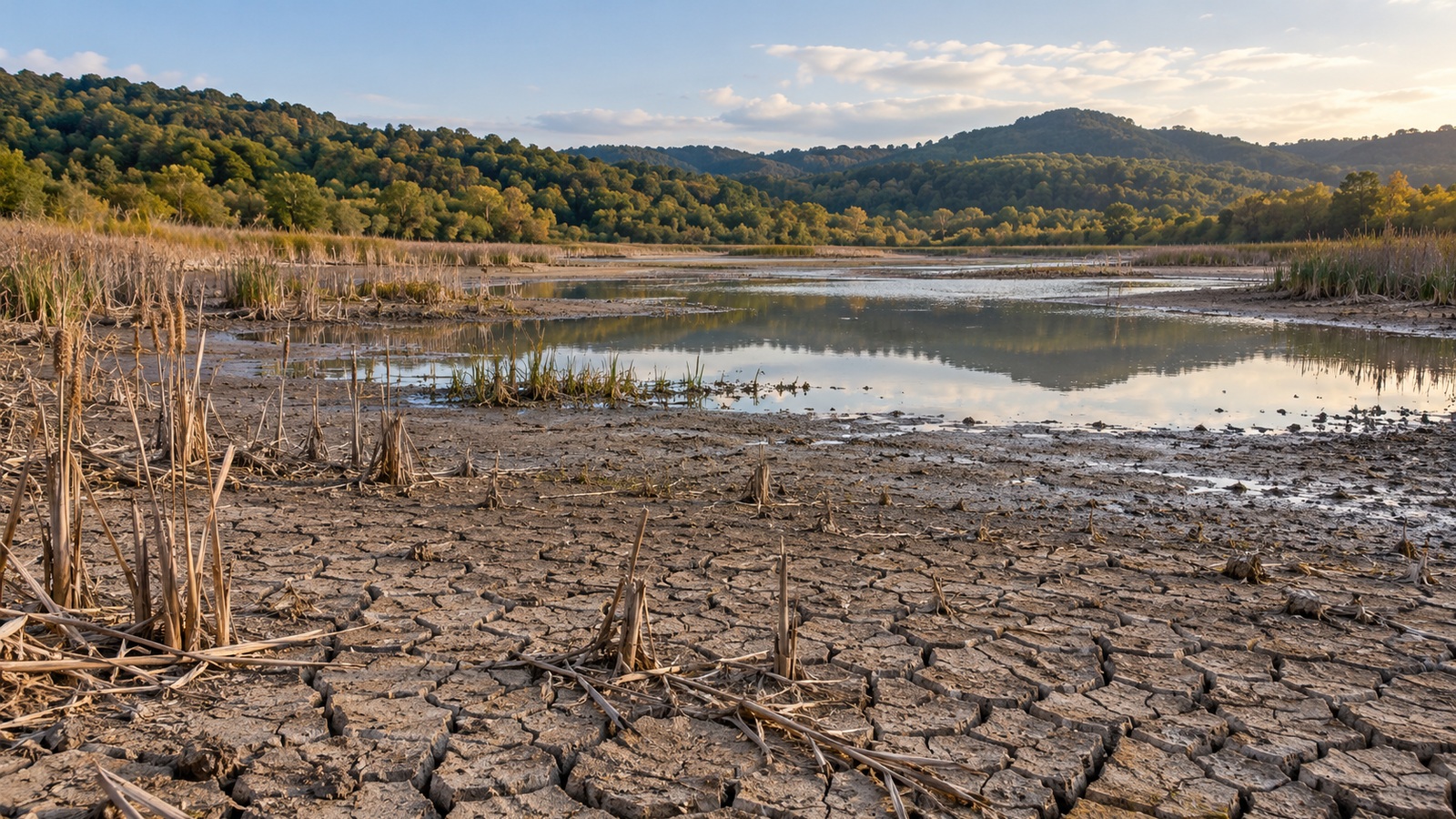
Physical conditions can remain altered after a damaging activity ends. A drained wetland may stay too dry if ditches continue removing water, even after cultivation stops. Roots still encounter that changed regime, and planting alone cannot keep unsuitable species alive indefinitely. Restoring water connections can improve the conditions for germination, soil processes, and aquatic habitat. Rivers and wetlands also receive water and sediment from beyond their immediate boundaries. Upstream flow changes or surrounding land use can consequently sustain pressure on a locally protected site. Recovery can depend on coordinated changes across the area supplying those physical processes.
Persistent feedbacks can make the route back different
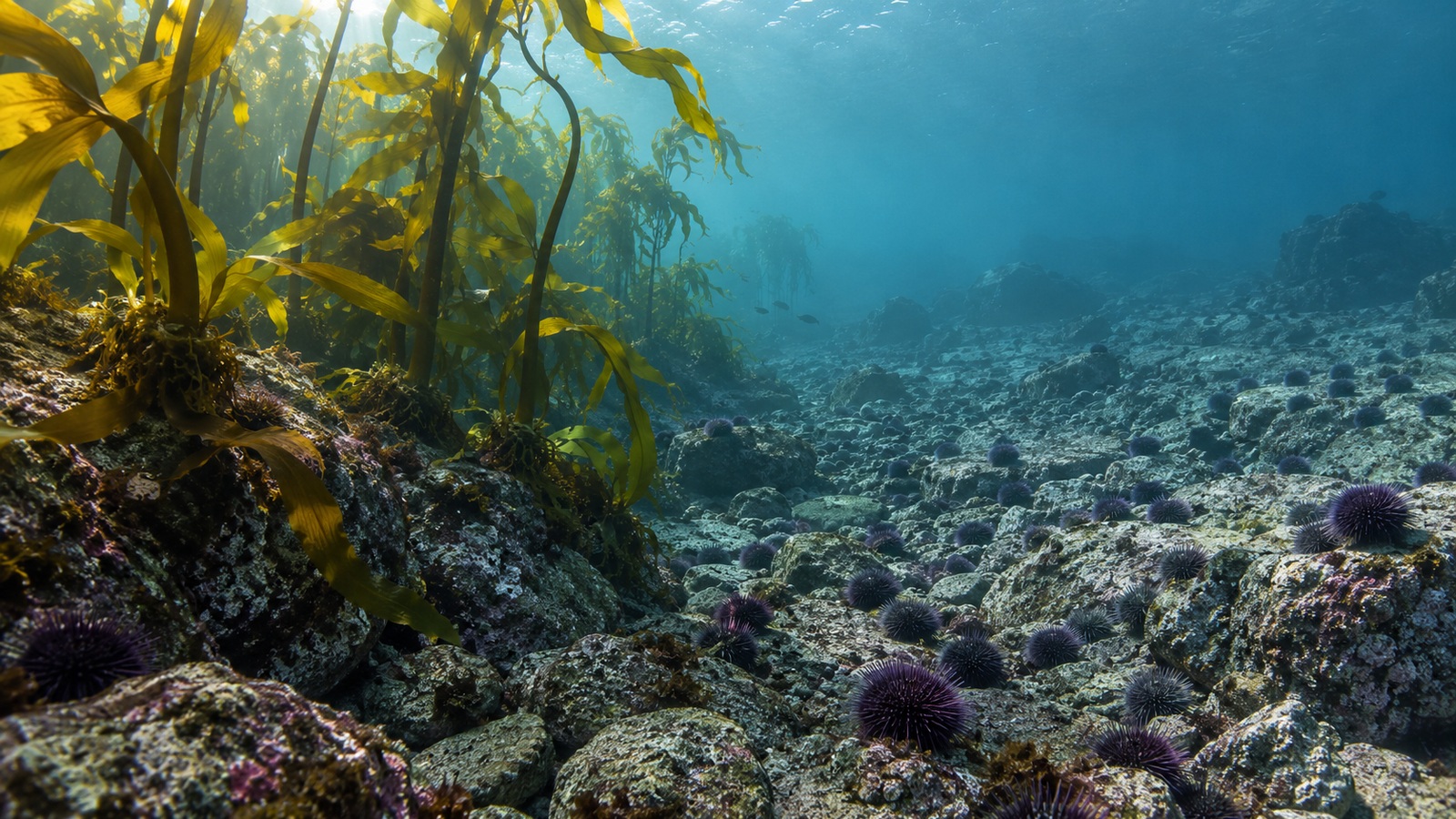
Some changed communities help maintain their own conditions. Dense grazing can consume new plants before they develop substantial structure, while replacement vegetation can occupy space and alter resources available to native recruits. Removing the original disturbance leaves those later interactions intact. A habitat may therefore remain in its changed state even during a more favorable period. Recovery requires an opening large or lasting enough for characteristic organisms to pass through vulnerable stages and begin maintaining their own population.
Several changes can work together to create that opening. Reducing grazing can improve survival while planting supplies organisms missing from the site. Restoring water conditions can make habitat suitable, and controlling a continuing source of mortality can allow new arrivals to persist. Timing matters because one improvement can be lost if the other constraint remains too strong. As a returning community establishes, its own growth can rebuild shelter and resources that support later recruits.
Virginia's eelgrass return shows what sustained restoration can accomplish
A 2020 study of Virginia coastal bays reported 3,612 hectares of restored seagrass over roughly two decades. Seed additions helped eelgrass, Zostera marina, return where environmental conditions remained suitable but natural recruitment was insufficient. The new meadows supported animal communities and renewed ecological services. Bay scallops remained an unfinished part of recovery. The habitat-forming plant could expand before every associated population rebuilt, leaving different parts of the community on different schedules. Returning vegetation created opportunities for other organisms without supplying all of their requirements at once. Continued survival and reproduction would determine how those opportunities developed across subsequent generations.
Species can return on a different schedule from habitat
Habitat structure can develop before all characteristic organisms return. Mobile animals may recolonize quickly, while poorly dispersed organisms or species needing mature features take much longer. A new canopy can provide shade before trees develop nesting cavities. Understory plants may remain absent when their seeds cannot reach the site. The expanding habitat therefore supports some relationships early and others only as additional organisms arrive or the structure becomes more complex. Fallen wood adds another schedule: a tree must grow, die, and decompose before it supplies the full sequence of habitats associated with that material. A newly planted woodland begins without much of the accumulated structure retained by an older forest.
Some components have no remaining local source. An isolated plant population may need assisted return, while a globally extinct species cannot recolonize through ordinary conservation practice. Another organism can sometimes perform a related function without recreating every relationship of the missing species. Surviving intact communities are especially valuable because they retain organisms, interactions, and reproductive sources that are difficult to reconstruct. Keeping those sites connected can help damaged areas receive new recruits. Their protection also preserves complex habitat during the years required for young restored vegetation to mature. Recovery and protection can consequently reinforce one another across a landscape instead of relying on a damaged patch to rebuild in isolation.
Useful functions can return even where a complete historical community does not. Improved water conditions can support aquatic life while some former plants remain absent. A recovering canopy can provide shelter without yet supplying the seasonal food once produced by mature native trees. Those gains support living organisms in the present. Continuing recovery depends on whether the missing components can return and whether the restored relationships persist through later disturbances.
Environmental change can move the conditions a project is aiming toward
A warmer climate, changed water availability, and altered surrounding habitat can shift the conditions that supported an earlier community. Newly established organisms may grow during a favorable season but encounter greater stress later. A site that once held reliable water can become more variable, changing survival and recruitment. Continuing recovery therefore depends on the conditions experienced across the organisms’ lives, including difficult periods when the first restoration work is already complete.
Environmental connections and refuges preserve options as conditions change. A cooler or wetter part of the landscape can retain a population during stress, while connected habitat permits movement and recolonization. Genetic variation can contribute to differences in how individuals respond. Historical knowledge helps reveal the relationships once sustained at the site; present conditions determine which can continue. Protecting several sources and routes reduces dependence on one place remaining suitable indefinitely.
Recovery times differ across organisms and processes
Water quality, soil development, forest structure, and animal populations recover through processes operating at different rates. Some responses appear within a few seasons, while others require years or generations. New growth can be rapid at first, then slow as plants encounter competition or a difficult season. Young trees take time to develop the structure used by animals, and a returning breeding population must produce offspring that survive to maturity. Ecological gains can also pause or reverse during drought, disease, or renewed disturbance. Continued protection preserves the conditions under which recovery can resume. The passage of a funding deadline does not change these biological rates or end the community’s need for suitable habitat. A second disturbance can also meet organisms at a vulnerable age. Keeping several recovering patches and nearby remnants in different conditions preserves more sources than relying on one newly restored area to withstand every event.
A restored community needs to keep renewing itself
A habitat-forming plant can create new shelter and feeding opportunities as it spreads. Animals then need access, suitable conditions, and successful reproduction to establish lasting populations. New plants must also survive and generate replacements. A meadow or canopy can expand while an associated animal remains limited by mortality, food, or a shortage of incoming young. Arrival and survival are different barriers: a site receiving no recruits has a different starting point from one receiving young that repeatedly die. Rebuilding the relevant relationship allows recovery to continue beyond the first visible vegetation.
Full recovery is possible for some ecosystems where defining native relationships can be restored and sustained. Other sites regain substantial functions under changed conditions without reproducing every historical detail. The available organisms, suitable physical setting, and continuing external pressures shape that result. Protecting remnants preserves sources for future return, while reducing the actual constraint gives new generations a chance to establish. The strongest recovery becomes increasingly supported by the community’s own reproduction and interactions, even where continuing management remains necessary to protect it from renewed pressure.