Being threatened concerns a species’ future, not only its present rarity
A species can be naturally uncommon without being in immediate decline, while a formerly abundant species can move toward danger as its numbers or habitat change. Conservation assessments therefore examine more than how many individuals are visible today. They consider trends, distribution, reproduction, exposure to pressures, and the evidence available about future persistence. Plants, fungi, and small animals belong in that account alongside familiar mammals and birds. A label such as endangered summarizes risk under a particular assessment system; it is not a complete explanation of why the decline is occurring or what would reverse it. Understanding the mechanisms beneath the label makes the issue more useful and less fatalistic. It shows how losses can accumulate, why several modest pressures can become serious together, and why conservation success must be measured through a population’s ability to persist rather than through a single encouraging sighting.
A: Their separate assessments describe different evidence and trends; a shared common-name group does not make their risk identical.
A: Large losses may occur before casual observers perceive rarity.
A: Several criteria assess risk beyond abundance alone.
A: Geographical scope and assessment systems can differ.
A: Recruitment failure can undermine future persistence.
A: Pollination, establishment, soils, and other relationships can be limiting.
A: Detection and survey timing need careful interpretation.
A: Reducing actual threats can still improve survival and reproduction.
A: Wild persistence requires suitable conditions and functioning life cycles.
A: It adds new individuals that survive from earlier stages, helping replace adults lost over time.
African elephant assessments show what a threat category describes
The IUCN Red List’s threatened categories are Vulnerable, Endangered, and Critically Endangered. Its criteria consider evidence such as population reduction, restricted distribution, and small population size under specified conditions. A category summarizes assessed extinction risk. It is not simply a contest in which the species with the lowest headcount automatically receives the most severe label.
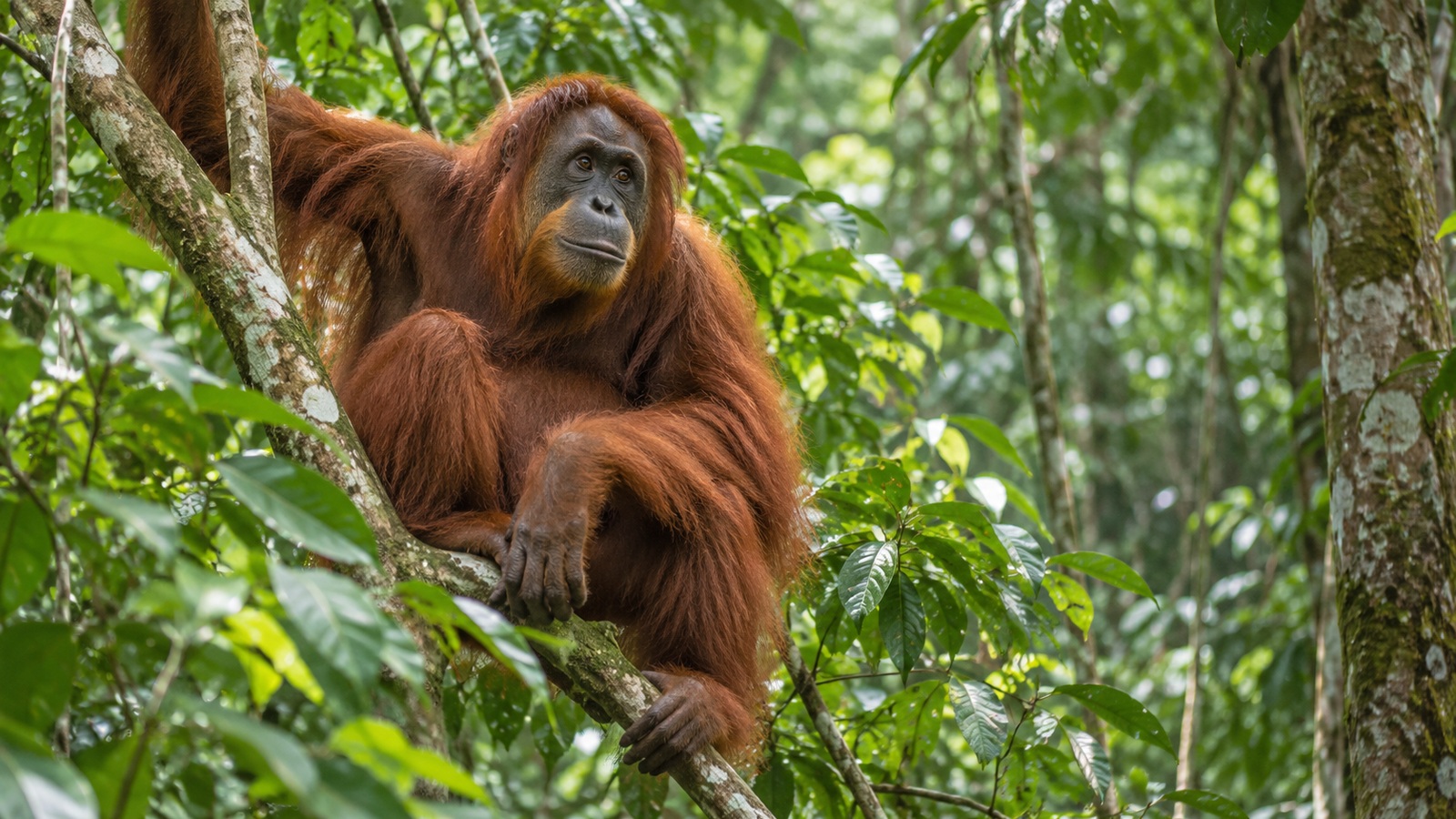
The IUCN’s March 2021 assessments placed the African forest elephant in Critically Endangered and the African savanna elephant in Endangered. The two species had different population histories within a wider pattern of losses associated with poaching and habitat change. Protecting elephants involves maintaining animals that survive long enough to breed, along with the places and routes they need. Reducing a continuing cause of mortality gives future births a better chance to rebuild numbers instead of merely replacing new losses.
IUCN’s 2024 move of the Western European hedgehog from Least Concern to Near Threatened placed it closer to the threatened categories without entering one of the three. Decline can warrant action before a species reaches Endangered. Suitable feeding habitat, safe movement, and survival across life stages determine whether a population continues replacing itself. The category records assessed risk at a point in that process. Conservation can improve those living conditions while there are still more individuals and recovery opportunities available.
Rarity and decline are related but different conditions
Some species occupy naturally small ranges or occur at low densities because of their ecology. That can create vulnerability, but it is different from a rapid reduction caused by a new pressure. Conversely, a widespread species can lose large numbers before it looks rare to a casual observer. The direction and speed of change matter because present abundance may conceal a weakening trajectory. A population’s future also depends on its age structure, reproduction, and connectivity with other populations. Counting adults alone can miss poor recruitment or the loss of suitable breeding sites. Risk assessment brings these different kinds of evidence together rather than treating one snapshot as a complete forecast.
Habitat loss changes the opportunities for survival and reproduction
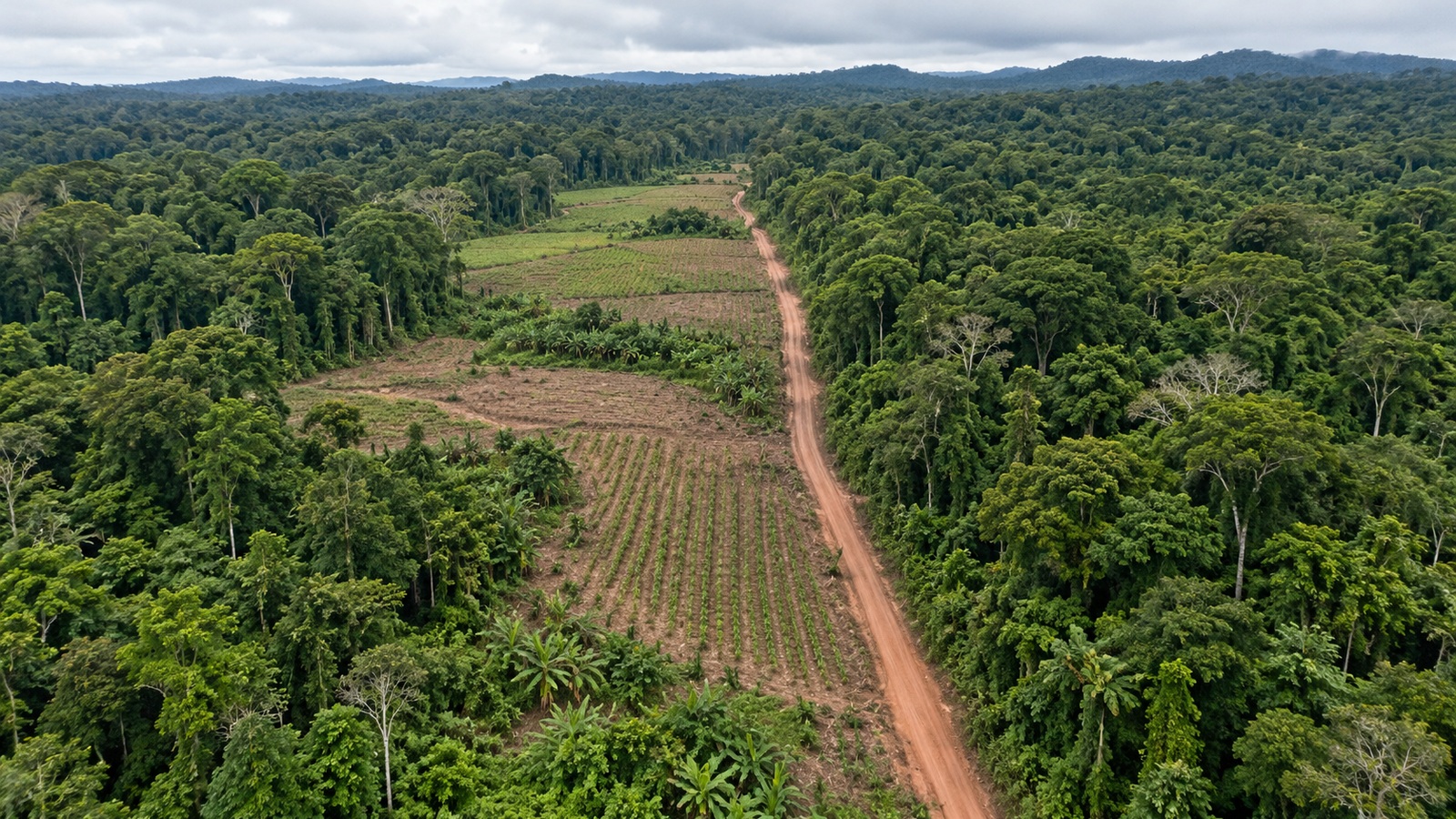
Habitat is the set of conditions and resources a species uses, not simply any green area. Conversion can remove those conditions directly, while degradation can reduce their quality without eliminating vegetation. A forest-dependent plant may lose suitable moisture or shade after surrounding changes, and an animal may retain feeding space while losing breeding habitat. The impact depends on which requirements become limiting. A map of remaining land cover can therefore overestimate usable habitat if it does not measure the relevant ecological conditions.
Fragmentation can divide populations and alter the movement of individuals, pollen, seeds, or other resources. Isolated patches may be too small or too disconnected to support the earlier community. Edges can create conditions different from sheltered interiors, with effects varying by organism. A narrow strip can provide a useful connection for some species without replacing a large core habitat for others. Conservation needs to match the connection with the actual movement and life-history requirements involved.
A long-lived adult can remain after the conditions for raising its replacement have deteriorated. A tree may survive in an isolated patch while its seedlings no longer establish, or adult animals may persist where access to breeding habitat has been lost. The population then carries a delayed effect: it is still visible, but too few young are joining it. Protecting existing individuals preserves an important part of recovery, while restoring the conditions for new generations addresses another. Both survival and replacement shape the future.
Removal can exceed a population’s capacity to replace losses
Hunting, collection, fishing, incidental capture, and other forms of removal can reduce populations when losses exceed the rate at which individuals are replaced. The consequences depend on life history as well as the number taken. A slow-breeding species may be unable to compensate for relatively small additional adult mortality. Removing reproductive individuals can have consequences beyond the immediate count. Some pressures are intentional, while others arise incidentally from activities targeting different resources. Identifying the pathway matters to the response: changing fishing gear, reducing direct exploitation, protecting breeding sites, or addressing demand are distinct interventions. A general appeal to care about wildlife does not substitute for removing the specific cause of loss.
Introduced organisms and disease can create unfamiliar pressures
A species transported beyond its native range may become harmful under suitable conditions, but non-native status alone does not establish ecological damage. When introduced predators, competitors, pathogens, or habitat-changing organisms affect vulnerable native species, the consequences can be substantial. Island species and other isolated communities may have limited defenses against particular new pressures. The effect depends on the interaction, not on a universal rule that every arrival produces the same outcome.
Disease can kill individuals or reduce breeding, with effects shaped by exposure, host condition, and the surrounding environment. Habitat disruption can concentrate animals or change encounters, while climate alters some of the conditions in which hosts and pathogens interact. A population already losing individuals to another cause can have less capacity to absorb an additional outbreak. Preventing introductions and limiting avoidable exposure can preserve options before a pressure becomes widespread. The relevant relationship is between the organism causing harm, the hosts affected, and the conditions supporting transmission.
Climate change alters both the setting and the timing of life
Changing temperature, water, snow, ice, and disturbance can make existing habitat less suitable or shift resources through the year. Species may move, alter timing, or tolerate some variation, but their responses have limits. A suitable climate appearing elsewhere is useful only if the organism can reach it and find the other resources it needs. Plants may depend on dispersal and establishment, while animals may be constrained by breeding habitat or barriers. Rapid environmental change can therefore add risk to species already affected by habitat loss or other pressures. It should be treated as an interacting driver rather than a replacement explanation that makes every local conservation action irrelevant.
Small populations can face additional difficulties
As populations become small, chance differences in survival and reproduction can have larger consequences. A storm, disease event, or sequence of poor breeding seasons may affect a substantial share of the remaining individuals. Geographic concentration can increase exposure when most of a species occupies one vulnerable area. These risks help explain why distribution matters alongside a total count. Two populations with similar numbers can have different prospects if one is spread among secure locations and the other is concentrated at one exposed site.
Genetic diversity and the ability to find mates can also become relevant, though their importance varies by species and history. Small does not mean automatically doomed, and genetic concerns should not be used to dismiss the value of removing a continuing external threat. Recovery can remain possible if survival and reproduction improve. The response needs evidence about the actual constraints rather than a fatalistic assumption that a low count has already made conservation pointless.
Plants can decline through relationships that are easy to overlook
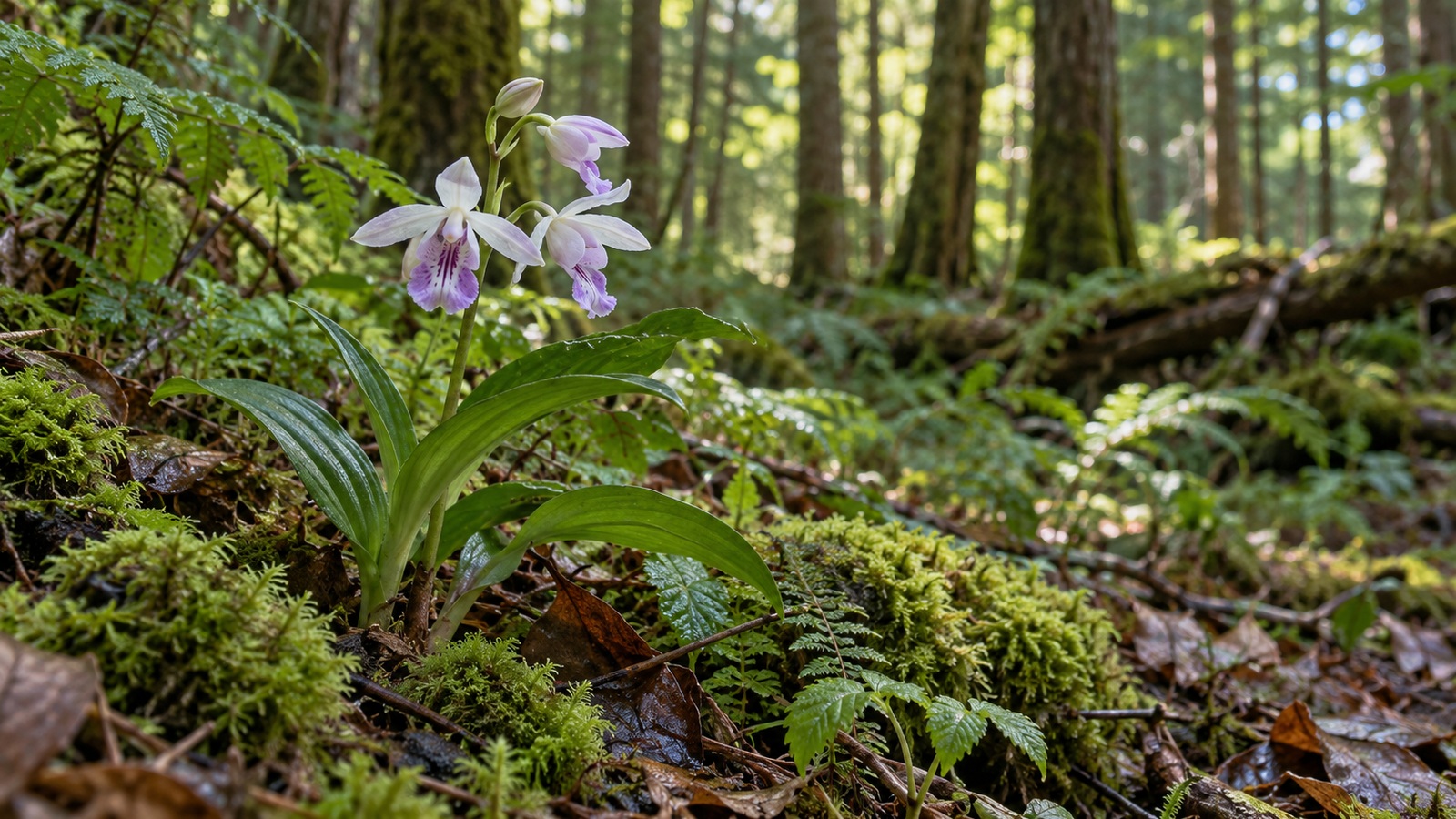
Plants may depend on particular pollinators, seed dispersers, soils, fungi, disturbance patterns, or microclimates. Losing one relationship can reduce reproduction or establishment even where adult plants remain. Collection and habitat conversion can add direct pressure, while invasive vegetation or altered grazing changes competition and exposure. A plant’s apparent immobility does not make its conservation simple. Its life cycle can involve movements and interactions performed by other organisms.
Some plants remain unseen for part of the year as dormant seeds or underground structures. Their visible appearance depends on season and growing conditions, so a temporarily bare surface may still contain part of a population’s future. Those stored stages need suitable moisture, light, disturbance, and other conditions before they can establish. Persistent seeds do not make a deteriorating habitat irrelevant. The life cycle continues only when the stages capable of waiting can later become growing plants and reproduce again.
Fungi and invertebrates also depend on specific places and partners, including hosts, substrates, foods, and moisture conditions. Many are less conspicuous than a large mammal, yet their loss can interrupt pollination, decomposition, or feeding relationships used by other organisms. Knowledge of their distribution and populations is uneven. The IUCN’s assessment summaries cover species that have been evaluated, while many organisms remain less well documented. Habitat protection can preserve those less visible relationships alongside the species already attracting attention.
A population needs new individuals as well as surviving adults
Recruitment is the addition of new individuals to a population. It connects reproduction with the stages that survive long enough to join the group being considered. A nest can produce eggs without enough young surviving later, and healthy-looking adults can remain where that replacement is failing. Age, distribution, access to mates, and suitable growing or breeding habitat all influence the sequence. A population spread across several usable places may retain options that one concentrated at a vulnerable site lacks. Supporting persistence therefore involves the conditions between births and later reproduction, not simply keeping a current total alive for another season.
Recovery means removing constraints and sustaining generations
Recovery begins when enough individuals survive and reproduce to sustain further generations under the conditions available. Habitat protection preserves the places used through those stages, while reducing a direct threat prevents gains from being consumed by continuing losses. Breeding and reintroduction can help some species, but released animals still face the environment outside care. A site needs food, shelter, breeding opportunities, and protection from the pressures that caused decline. Rebuilding a wild population therefore joins individual survival with a habitat capable of supporting its descendants.
People’s rights, resources, and livelihoods influence whether protection lasts. A rule may exist without effective implementation, and a technically promising intervention may be difficult to sustain without local participation. Durable recovery requires institutions and funding as well as biological knowledge. Success can include measurable improvement before a species leaves a threatened category, while continued vigilance may remain necessary after a formal change. The goal is long-term persistence, not a brief increase that disappears when attention moves elsewhere.
A warning label can direct action rather than declare an ending
A species becomes more vulnerable when its survival and replacement fall behind its losses. Habitat change, removal, disease, new competitors, and climate pressure can act together, while small numbers leave less room for chance setbacks. Those pathways can also be changed. Reducing avoidable deaths, reconnecting suitable places, and restoring breeding opportunities give remaining individuals a better chance to produce future generations. Threatened status records danger rather than an inevitable ending. The living outcome develops through what happens to the organisms and the relationships that sustain them, season after season.