The last individual is the end of a much longer process
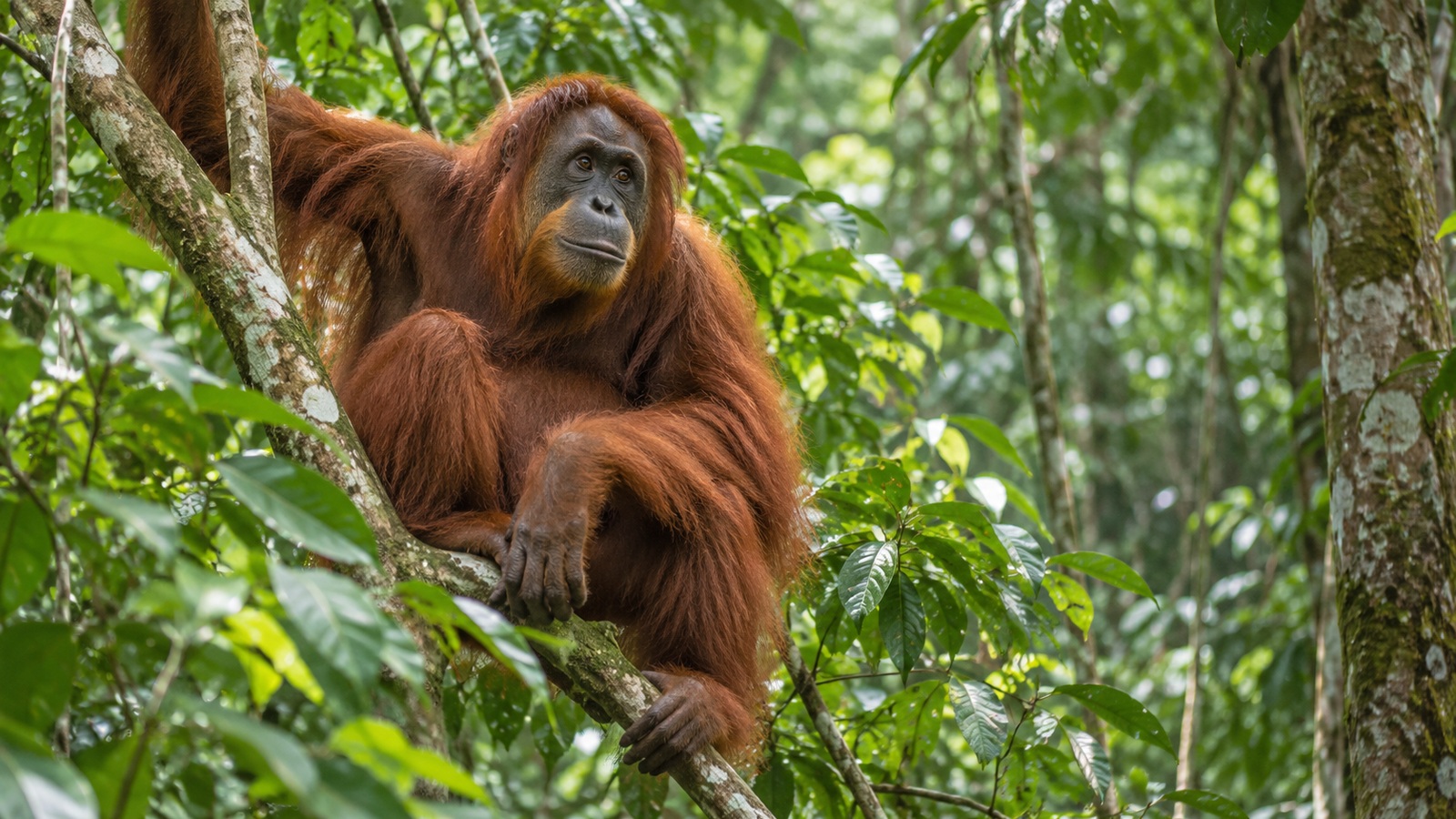
Extinction is often imagined as one final moment when the last animal dies or the last plant disappears. The process usually begins much earlier, as populations lose habitat, fail to replace deaths, become isolated, or encounter pressures they cannot withstand. Today, human activities can impose several of those changes at once and across large areas. The resulting losses are not explained by a single universal cause, nor by the idea that every species simply failed to adapt. Their prospects depend on the speed and combination of pressures, the resources still available, and the opportunities for recovery. Following that process reveals why biodiversity can decline before extinctions are formally recorded, why a surviving remnant may still be insecure, and why prevention is often more effective than waiting for an organism to become a symbol of an irreversible loss.
A: No. The 2019 assessment estimated threatened species, identifying risk while prevention and recovery remain possible.
A: Adults may outlive a prolonged failure to produce enough surviving young.
A: Surviving individuals may no longer be replacing themselves.
A: Different loss pathways need their own effective responses.
A: Recovery may fail when events arrive too close together.
A: Effects depend on ecological relationships and available redundancy.
A: They can sustain the demand driving local pressure.
A: Recolonization is possible when populations survive elsewhere and suitable movement routes and habitat remain.
A: Reducing interacting pressures provides complementary benefits.
A: Maintain populations and conditions that keep future generations possible.
Extinction risk can rise long before the last individual dies
The 2019 IPBES Global Assessment estimated that around one million animal and plant species were threatened with extinction. That estimate describes risk; it does not mean one million species had already disappeared. It gives scale to a wider process of population decline, shrinking ranges, and deteriorating habitats. Preventing a threatened species from becoming extinct is precisely the opportunity that remains while enough individuals and suitable conditions survive.
A completed loss has a different meaning. The Smithsonian’s passenger pigeon account records the death of Martha, the last known individual, on 1 September 1914. Intensive hunting and deforestation had helped drive the species down long before that final captive bird died. Its history shows why earlier abundance cannot guarantee future persistence when the conditions supporting a population are removed. The final date is memorable, but the extinction mechanism lies in the preceding losses of birds, habitat, and successful replacement. Today’s prevention work aims to interrupt those processes before a species reaches its own last known survivor.
Human pressures operate through several direct pathways
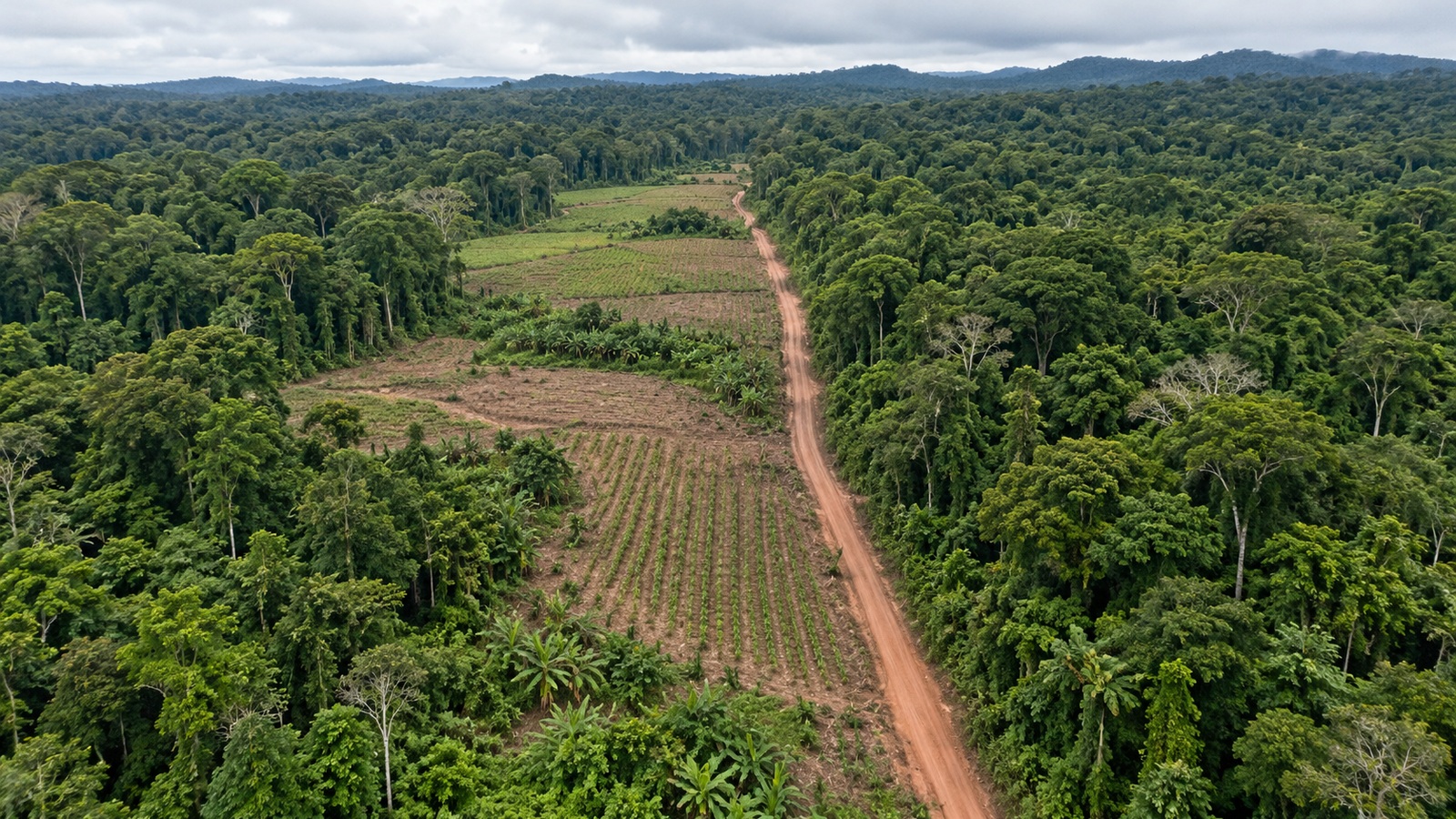
Land and sea use, direct exploitation, climate change, pollution, and invasive alien species are major direct drivers identified by IPBES. These pressures reach organisms through different routes. Converting a breeding marsh removes habitat, while harvesting fish can increase deaths without removing the water they occupy. A river population can lose access to spawning grounds behind a barrier even when adults still find food downstream. Several pressures can act on the same population, reducing the number of young produced while also making adult survival less likely. Their combination can push deaths above replacement for many successive years.
Habitat change can remove both places and relationships
Converting land can eliminate the conditions a species uses, but consequences extend beyond the area cleared. Remaining patches can become isolated, edges can alter microclimates, and surrounding activity can change water, disturbance, or access. A nominally protected patch may therefore be affected by decisions beyond its boundary. The amount of usable habitat can shrink faster than a broad land-cover map suggests, particularly for organisms needing interior conditions or a sequence of connected places.
The loss can also be functional rather than immediately visible. A feeding area may remain while a breeding site disappears, or a plant may persist after losing a necessary pollinator. Species use particular combinations of shelter, food, temperature, and seasonal access. A strip of vegetation elsewhere cannot supply a missing river connection or the cavities of old trees. Even a relatively small change can become a major constraint when it removes a resource that has no usable substitute nearby.
Fragmentation can reduce the possibility of recovery after a local setback. If neighboring populations can no longer supply recruits, an otherwise temporary loss may become persistent. The broader landscape then contains fewer sources from which recolonization can occur. That process can narrow options gradually, leaving a series of isolated remnants whose combined appearance overstates the resilience of the system. Connectivity matters because it preserves some of the pathways through which populations recover, not simply because continuous habitat looks more natural.
Extra mortality can overwhelm a species without removing its habitat
A population can decline even where much of its physical environment remains. Harvesting, incidental capture, collection, persecution, and other losses can exceed replacement. Species with slow reproduction may be especially sensitive to added adult mortality, while the removal of particular life stages can alter future recruitment. The mechanism differs from habitat conversion and needs a matching response. Protecting land will not necessarily stop deaths occurring in a separate fishery or trade pathway. Equally, reducing direct killing may be insufficient where the breeding environment has already become unusable. Treating these drivers separately enough to diagnose them makes it easier to understand why conservation often needs coordinated actions rather than one highly visible intervention.
New biological pressures can expose evolutionary vulnerabilities
Introduced predators, competitors, and pathogens can expose native species to unfamiliar biological pressures. Flightless island birds, for example, can become accessible prey when mammals reach places that developed without them. A predator able to climb or forage at night can reach eggs and adults beyond the protection offered by an exposed nest. Some introductions cause little damage, while others repeatedly remove enough individuals to prevent replacement. Restricted distributions leave affected species fewer places where the new interaction can be escaped.
Disease illustrates the importance of interactions. Exposure, host condition, environmental suitability, and population structure influence its consequences. Habitat stress or changing climate can modify those conditions, while movement and trade can transport organisms beyond previous boundaries. A response therefore needs to address how the pressure is introduced and maintained as well as the immediate symptoms. Prevention and early detection can preserve choices that become much more difficult after a harmful organism is widely established.
After an introduced predator is removed, a depleted population may still grow slowly. Few breeding adults remain, food may be limited, and isolated survivors may have difficulty finding mates. Young produced during the first safer season still need time to mature. Reducing one cause of death creates an opportunity for recovery, but population growth also requires the other resources and relationships needed at each life stage. Habitat protection and continued prevention of new introductions can help keep that opportunity open.
The Bramble Cay melomys shows how habitat loss can become disappearance
The Bramble Cay melomys was known from a small, low-lying island in Torres Strait. An Australian government assessment document describes a comprehensive 2014 search that found no animals and very little remaining vegetation. It identifies repeated ocean inundation as the likely cause of severe habitat loss and direct mortality. Unlike a species with many populations across a continent, an animal concentrated on one small island has little geographical separation from a local catastrophe. The example links environmental exposure with the disappearance of the living conditions an entire population needed. It also shows why climate pressures matter through specific events and habitats rather than only through an average temperature. A species cannot reproduce its way out of danger if the space and resources required for survival have largely vanished.
The order and spacing of disturbances can determine recovery
A population recovering from one event may be more vulnerable to the next. Repeated losses can arrive before young mature, before plants rebuild reserves, or before habitats regain necessary structure. The same total disturbance spread over a longer period can have a different result because recovery opportunities differ. A long-lived tree that normally produces a large seed crop only occasionally may lose several chances to replace itself during repeated drought. Short intervals between severe events can progressively remove the generations that would otherwise restore a population.
Recovery proceeds at the pace of a species’ life history. A fast-breeding organism may add several generations during a period in which a large mammal has not yet produced its next offspring. Surviving adults can therefore remain visible for years while their population ages without enough young. New green growth after damage can likewise precede the return of nesting cavities, mature fruit, or other resources. The interval between surviving an event and rebuilding a secure population can be long.
Small remnants can carry delayed consequences of earlier loss
When habitat or populations have been greatly reduced, surviving individuals can persist for a time while replacement fails. This creates a delay between the damaging change and the eventual disappearance. Long-lived organisms can make the delay particularly difficult to recognize. A remnant may therefore provide an opportunity for action while also carrying an unresolved risk. Its presence should inspire attention to the conditions for future generations, rather than the assumption that continued occupancy proves the threat has passed.
Chance becomes more consequential when few individuals or locations remain. A bad breeding season, environmental event, or disease outbreak can affect a large proportion of what is left. These effects do not mean that recovery is impossible; they mean that options have narrowed and additional avoidable losses can matter greatly. Prevention is valuable partly because it avoids forcing conservation to operate under such severe constraints. Retaining viable populations across suitable areas can protect resilience before emergency intervention becomes necessary.
The disappearance of one species can also alter relationships used by others. Pollination, dispersal, predation, grazing, and resource processing involve networks rather than isolated organisms. The consequences vary with ecological redundancy and the ability of other species to perform related functions. It would be an exaggeration to predict an identical cascade after every loss, but it would also be mistaken to assume that extinction affects only the vanished organism. Ecosystem function can change before every connection is obvious to observers.
The pressures have economic and institutional roots
Demand, production systems, infrastructure, incentives, governance, and inequality influence where direct pressures occur and who can reduce them. A species may be harmed locally by activities serving distant markets. Communities near important habitats can face costs from conservation while others receive much of the benefit from extraction or consumption. Addressing only the person closest to the organism can therefore miss the wider system sustaining the pressure. Effective responses need legitimate local participation and attention to the supply chains and decisions through which risks are distributed. This expands the explanation beyond individual behavior without removing the value of practical action at a specific site.
Protecting reproduction while populations remain
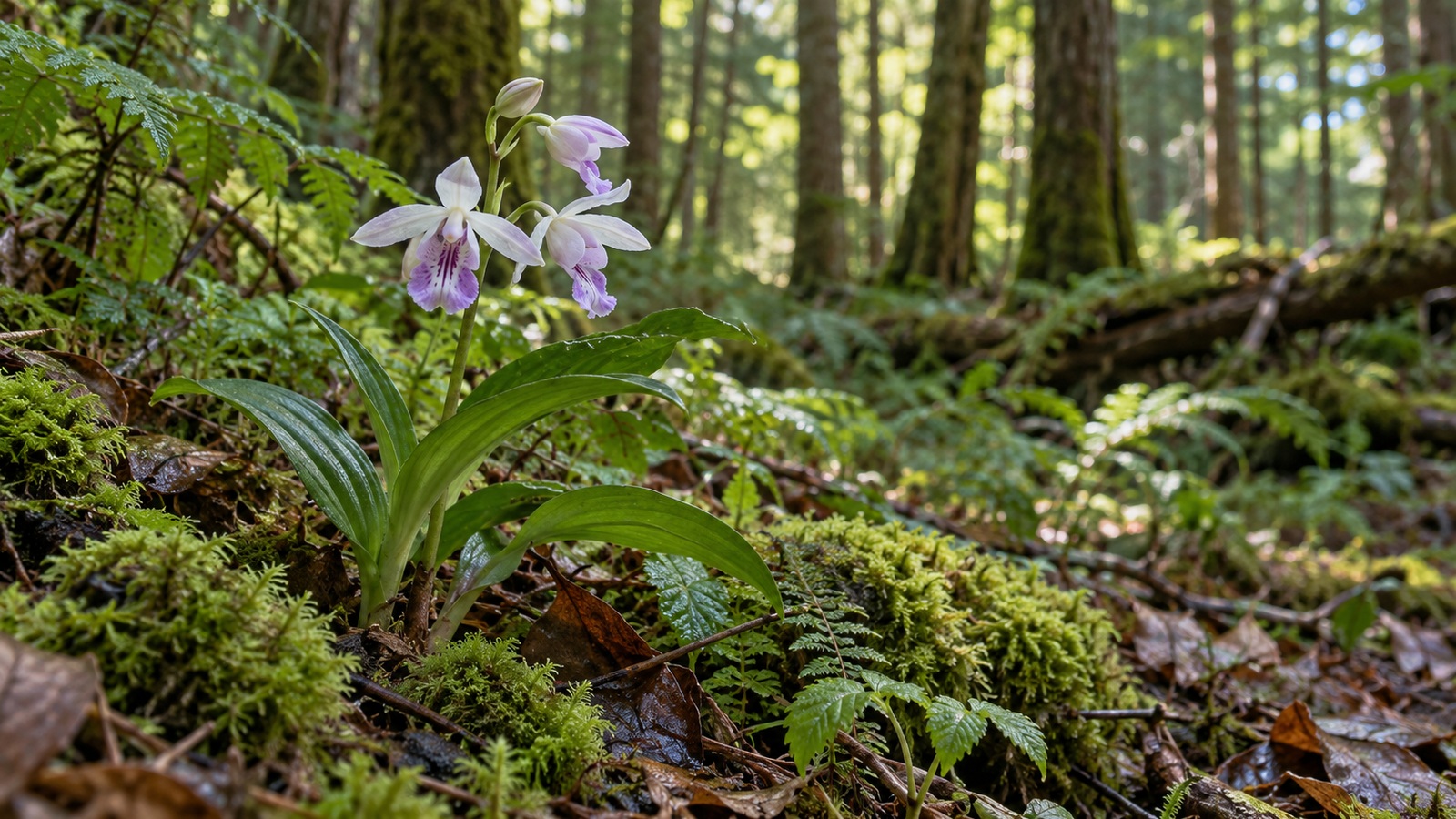
Conservation can begin while populations still have several functioning parts of their life cycle. Keeping breeding habitat connected to feeding grounds, reducing avoidable deaths, and retaining multiple population centers preserve routes to replacement. Surveys help locate the remaining organisms, including less conspicuous fungi and invertebrates that can otherwise receive little attention. A species absent from one site may still survive elsewhere, with neighboring populations providing a possible source of recolonization.
Habitat protection, pollution control, prevention of harmful introductions, and safer harvesting can remove different obstacles to survival. The IUCN’s biodiversity overview describes the pressures and the role of conservation action. Sustained protection allows the effects to accumulate: adults survive additional breeding seasons, offspring mature, and suitable habitat remains available to their descendants. Climate action also reduces a continuing pressure on those habitats. These measures can reinforce one another where several threats overlap.
Keeping future generations possible
Extinction becomes more likely when several necessary relationships fail together, across large areas or faster than populations can recover. The last survivor is the endpoint of losses that can begin decades earlier. Retaining enough breeding individuals, keeping populations connected, and protecting the resources needed by young preserves alternatives to that endpoint. Multiple secure populations also reduce the chance that a single storm, outbreak, or bad breeding season affects an entire species. Recovery is possible for many threatened organisms while those foundations remain, and prevention keeps more of them in place before emergency intervention is the only option.