An introduced organism can change the conditions for native life
A beetle larva feeding beneath bark can interrupt the flow of resources through a tree. A floating plant can shade the water below it and alter oxygen conditions for aquatic animals. These are different ways an introduced organism can become invasive: it establishes beyond its natural range and causes harm in its new setting. Many arrivals fail, and many non-native species never produce comparable effects. Invasion depends on the combination of an organism’s biology, its route of arrival, and the community it encounters. Those interactions also shape what happens next. An early foothold may be removable, while a widespread population can become a continuing pressure on habitat and reproduction. Prevention, control, and restoration work at different stages of that process, protecting native organisms from new losses and helping damaged communities recover where possible.
A: No. Non-native origin does not automatically establish harm.
A: Yes, but abundance alone does not make it non-native.
A: Definitions require attention to history and the role of human transport.
A: They show that invasive harm can operate through very different mechanisms, from damage inside a tree to altered conditions beneath a mat.
A: Traits interact with pathways, environment, and biological relationships.
A: Habitat and process changes can create wider effects.
A: Conditions, spread, and detection can change.
A: Use appropriate reporting guidance without creating another transport pathway.
A: Native responses and altered conditions still need assessment.
A: Yes. Sustained reduction of local pressure can improve native survival and breeding even where regional elimination is unrealistic.
Non-native origin and invasive harm
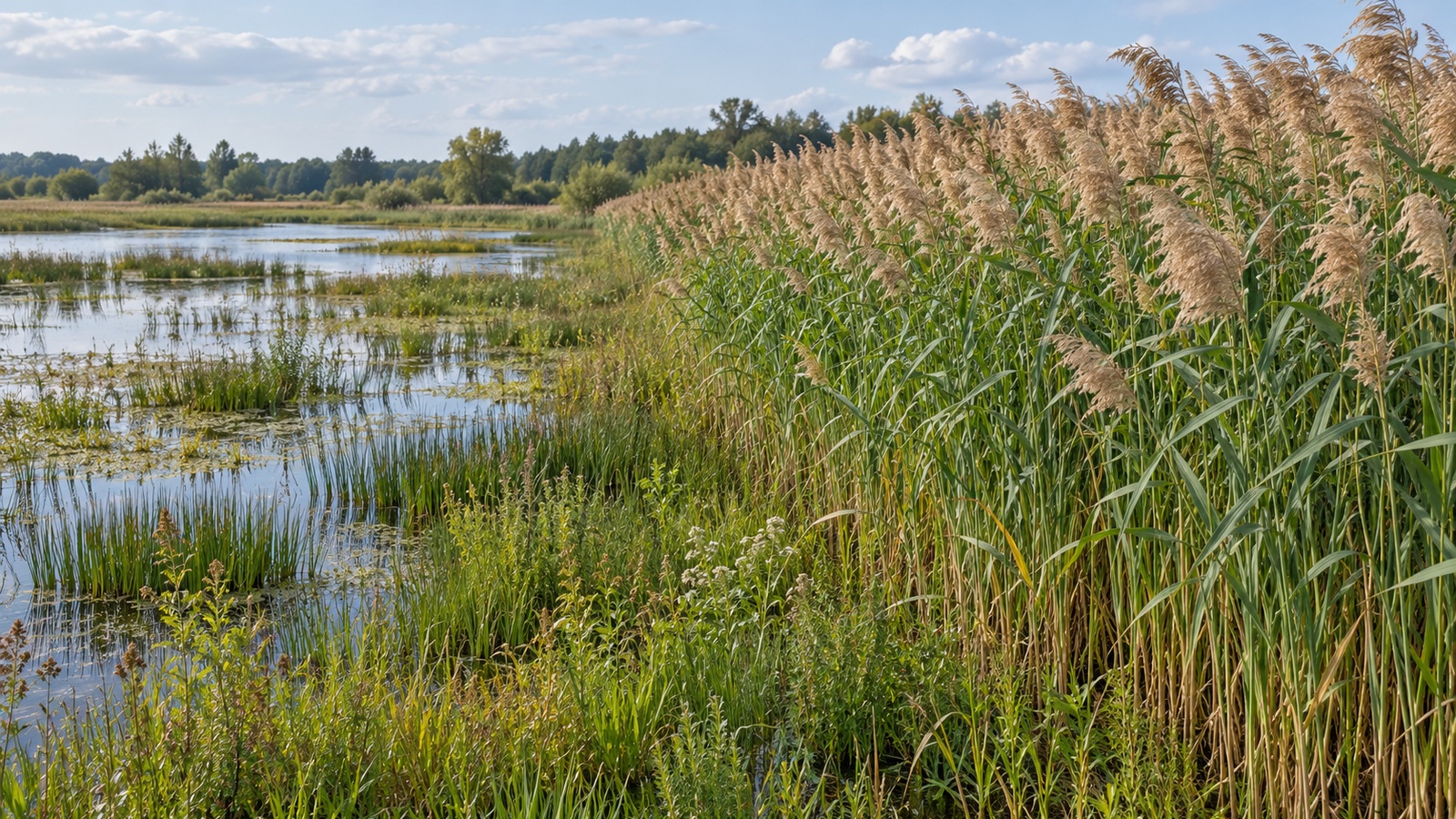
A non-native species occurs outside its natural range through human-associated movement. Invasive status adds harm or likely harm under the applicable definition. The National Invasive Species Information Center explains the terminology used in the United States. A plant cultivated far from its original home may remain within gardens, while another escapes and displaces vegetation along waterways. Both have been introduced, but their relationships with the surrounding ecosystem differ. Some organisms become invasive in one region while remaining part of established ecological relationships in their native home.
Native species can also become abundant or create management problems, and organisms can extend their ranges through natural dispersal. Human transport creates additional routes across oceans, mountain barriers, and other boundaries. A seed carried in imported soil can arrive far beyond the distance it could ordinarily disperse. A pathogen can travel with a living plant that shows few obvious symptoms. These movements bring organisms into contact with hosts, prey, competitors, and physical conditions they would otherwise be unlikely to encounter.
Transport, establishment, spread, and impact are separate stages
Transport, establishment, spread, and impact are successive opportunities and obstacles. An organism first needs to arrive alive, then find conditions in which it can survive and reproduce. A self-sustaining population can remain localized or expand into more suitable habitat. Some arrivals end after an unfavorable winter or reproductive failure; others build numbers over many seasons. Early removal can be feasible while the population occupies a limited area. Once it has spread through a large connected region, preventing new arrivals elsewhere or protecting vulnerable sites may remain possible even where complete elimination has become difficult.
Human activity connects places that were previously difficult to reach
Trade, travel, shipping, movement of plants and animals, equipment, and other activities can transport organisms across natural barriers. Some movements are intentional, such as the introduction of ornamental plants; others involve unnoticed hitchhikers, contaminated material, or associated pathogens. The relevant pathway determines where prevention can be effective. An aquatic organism moved with equipment requires a different response from a plant spreading from cultivation or a pest traveling in living material.
Repeated arrivals can increase the chance that a population establishes, even when any one arrival might fail. More individuals, repeated opportunities, or genetic variation can influence the outcome in different ways. This does not mean arrival volume alone predicts success. Environmental suitability, biological interactions, and chance also matter. It does show why a seemingly small pathway used often can be consequential, and why prevention needs attention to routine movements rather than only unusual or dramatic introductions.
New resources and different biological relationships
An introduced organism may encounter abundant food or fewer constraints from predators, parasites, and disease. Release from particular enemies can allow more energy to support growth and reproduction. Other arrivals meet effective predators or cannot tolerate local temperatures and moisture conditions. Losing an essential partner can also prevent establishment: a plant may survive without finding the pollination or soil relationships needed for reproduction. The receiving community can therefore provide both opportunities and barriers, with different combinations operating at different locations.
Disturbance can open space or release resources that an arriving organism can use. Bare ground after construction, a newly opened canopy, or nutrients entering a waterway can temporarily change the balance of competition. Some invaders also establish in relatively intact habitats when other conditions suit them. A disturbance favors an organism only if its timing, resources, and remaining biological constraints permit survival and reproduction. Existing residents can still occupy the available space or consume newcomers before they establish.
Traits influence how an organism uses those opportunities. Numerous seeds can reach many possible sites, while a living fragment can establish without a mate in species capable of vegetative reproduction. Tolerance of variable conditions can help an organism survive transport or persist through a difficult season. Rapid growth can capture light and space before slower neighbors establish. Each advantage remains dependent on the setting: plentiful seeds accomplish little where none can germinate, and fast summer growth cannot overcome a winter the organism cannot survive.
Emerald ash borer damages a tree from beneath its bark
Emerald ash borer is a beetle from Asia, first detected in North America in southeastern Michigan in 2002. USDA APHIS describes larvae feeding beneath ash bark and the death and decline of tens of millions of North American ash trees. As larvae tunnel through living tissues, they interfere with the tree’s movement of resources. Extensive damage weakens the crown and can kill the tree. An affected ash may consequently lose branches and eventually the shade and habitat supplied by its canopy. A forest can retain green vegetation while losing mature ash and the relationships dependent on those trees. Firewood and other infested material can also carry the beetle beyond the places reached by its own flight.
Water hyacinth can change the environment beneath a floating mat
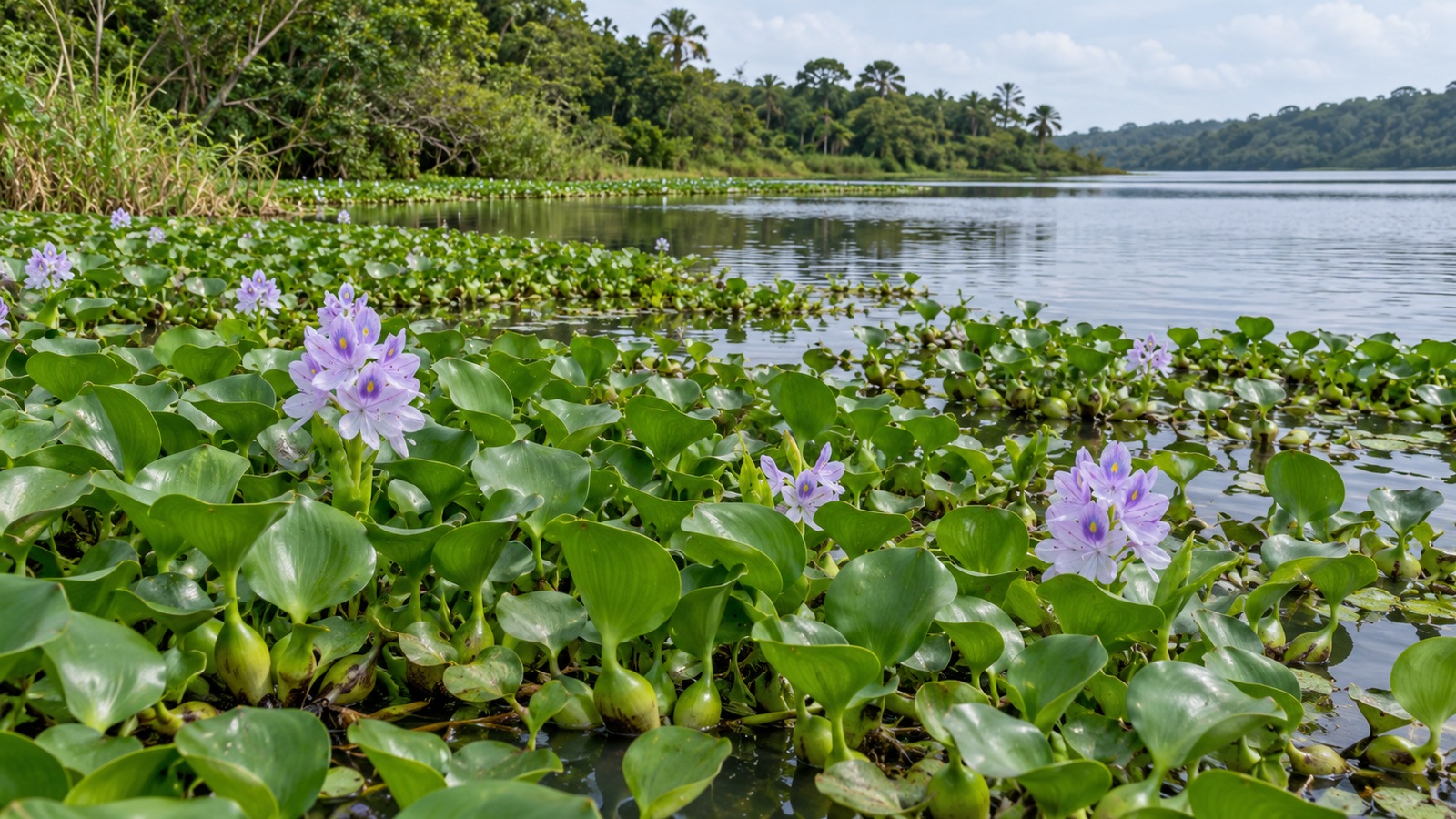
Common water hyacinth provides a contrasting plant example. The National Invasive Species Information Center identifies it as an invasive aquatic plant, and USGS impact records describe the potential for dense mats to lower dissolved oxygen. Extensive floating growth also intercepts light before it reaches submerged vegetation. The problem is therefore not merely the amount of greenery visible from the bank. Organisms beneath the mat encounter a changed physical and chemical environment.
The floating mat also changes the space available to organisms that feed or move near the water surface. Native submerged plants receive less light, while decomposing plant material can add to oxygen demand. Opening part of the surface can improve access to light and water, although surviving plants and continued growth can close it again. In an ash-borer outbreak, by contrast, the damaged tree cannot regain its lost canopy simply because a nearby area has been cleared. Its survival depends on the severity of tissue damage and continuing exposure to the beetle.
Why a quiet population can begin expanding
A small introduced population can remain inconspicuous before becoming extensive. Each generation may add relatively few individuals at first, with larger gains becoming visible as the breeding population grows. Suitable habitat beyond the first site can remain unreached until a dispersal event or human movement carries organisms there. Warmer seasons, new disturbance, or repeated arrivals can change opportunities after establishment. A delay can also reflect late detection rather than a sudden biological change. The population may already occupy hidden roots, submerged surfaces, or scattered sites before its effects become obvious above ground.
Prevention protects options that become harder to retain later
Preventing transport interrupts the process before a new population begins. Inspection can detect organisms in traded material, while equipment hygiene can reduce movement between waters or sites. Routine movements matter because seeds, eggs, spores, and small animals can be difficult to notice. Measures differ with the pathway and should follow local guidance. Material capable of carrying a living plant fragment creates a different problem from equipment carrying aquatic hitchhikers or a shipment carrying a concealed insect.
Early detection can improve the feasibility of response when populations are still limited. Identification, reporting, and assessment need suitable expertise because native species and harmless arrivals can be mistaken for invaders. Members of the public can provide useful observations without moving organisms to a new site or attempting unapproved treatments. A photograph and location supplied through an appropriate reporting channel can support diagnosis. The responsible response begins with knowing what is present and which authority or management programme is relevant.
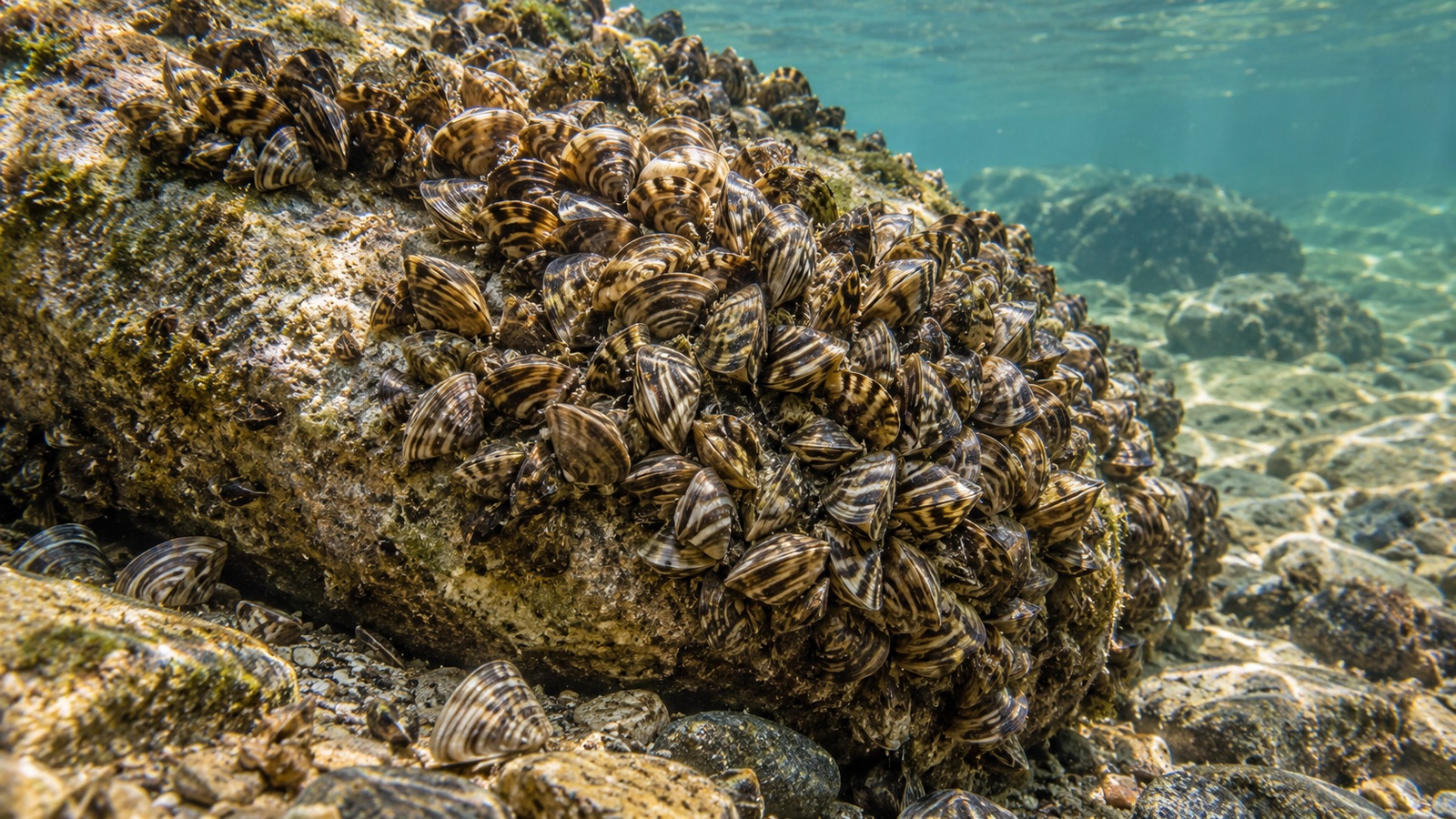
Deliberate releases create another pathway. An aquarium plant may survive in a waterway, and discarded garden material can contain parts capable of regrowth. An animal released into unfamiliar habitat may die, but survivors can sometimes reproduce and spread. Returning unwanted organisms through suitable local arrangements avoids using the environment as a disposal site. Keeping living material within its managed setting prevents an uncertain introduction from becoming a continuing ecological problem.
Reducing an established population and its effects
An established invader can be eradicated when all members of the relevant population can be removed and new arrivals prevented. Containment instead limits further geographical spread, while suppression reduces abundance or a damaging effect. A bounded island or a small isolated patch may offer opportunities unavailable across a connected mainland region. Even where elimination is unrealistic, reducing pressure around a native breeding site can improve survival. Continued reproduction and incoming organisms can rebuild the invader’s population, so maintaining that protection often requires follow-up work.
Control methods can affect other organisms as well as the target. Mechanical removal can disturb habitat; chemicals and biological control have their own requirements and potential consequences. Specialist programmes assess these relationships and operate under applicable rules. Biological control uses selected natural enemies to reduce a target population, with safeguards intended to avoid creating another harmful introduction. Native recovery also depends on the remaining habitat, so reducing an invader’s abundance may need to accompany protection of food sources, shelter, or breeding conditions.
Restoration may require rebuilding conditions after removal
A site can retain the effects of an invasion after the organism is reduced. Altered soil, accumulated litter, missing seed sources, and a changed disturbance pattern can favor a different community. Native recruits may arrive slowly, especially where healthier habitat is isolated. Replanting or restoring water conditions can help rebuild the missing components, while continued pathway safeguards reduce reinvasion. Recovery takes place through renewed survival and reproduction: young native plants establish, animals regain usable habitat, and ecological relationships become more persistent across seasons. The removal creates space for that process without supplying every condition it needs.
Native recovery after the pressure changes
Native organisms can respond at different speeds when invasive pressure falls. Mobile animals may return soon after shelter or feeding conditions improve, while a tree canopy takes years to develop. A breeding population may first gain through improved adult survival and only later add a larger cohort of mature offspring. Remaining sources of stress can slow those gains. Recovery therefore continues beyond the first visible change in a treated area.
Living ash trees, submerged native vegetation, and successful bird nesting depend on different conditions, but all require relief from the particular interaction causing damage. Preventing renewed transport protects those gains from another arrival. Where an invader remains widespread, secure refuges and sustained local protection can preserve populations that would otherwise face continuing losses. Invasion changes an ecosystem through living relationships; recovery builds through those relationships as suitable conditions and successive generations return.