How Accurate Are Climate Forecasts?

Climate forecasts aren’t guesses—they’re physics-based projections tested against real-world data. By comparing past predictions with observed warming, sea-level rise, and extreme events, scientists evaluate how accurate climate forecasts truly are. This article explains what accuracy means in climate science, where uncertainty exists, and why forecasts remain one of the most reliable tools for understanding future climate risk.

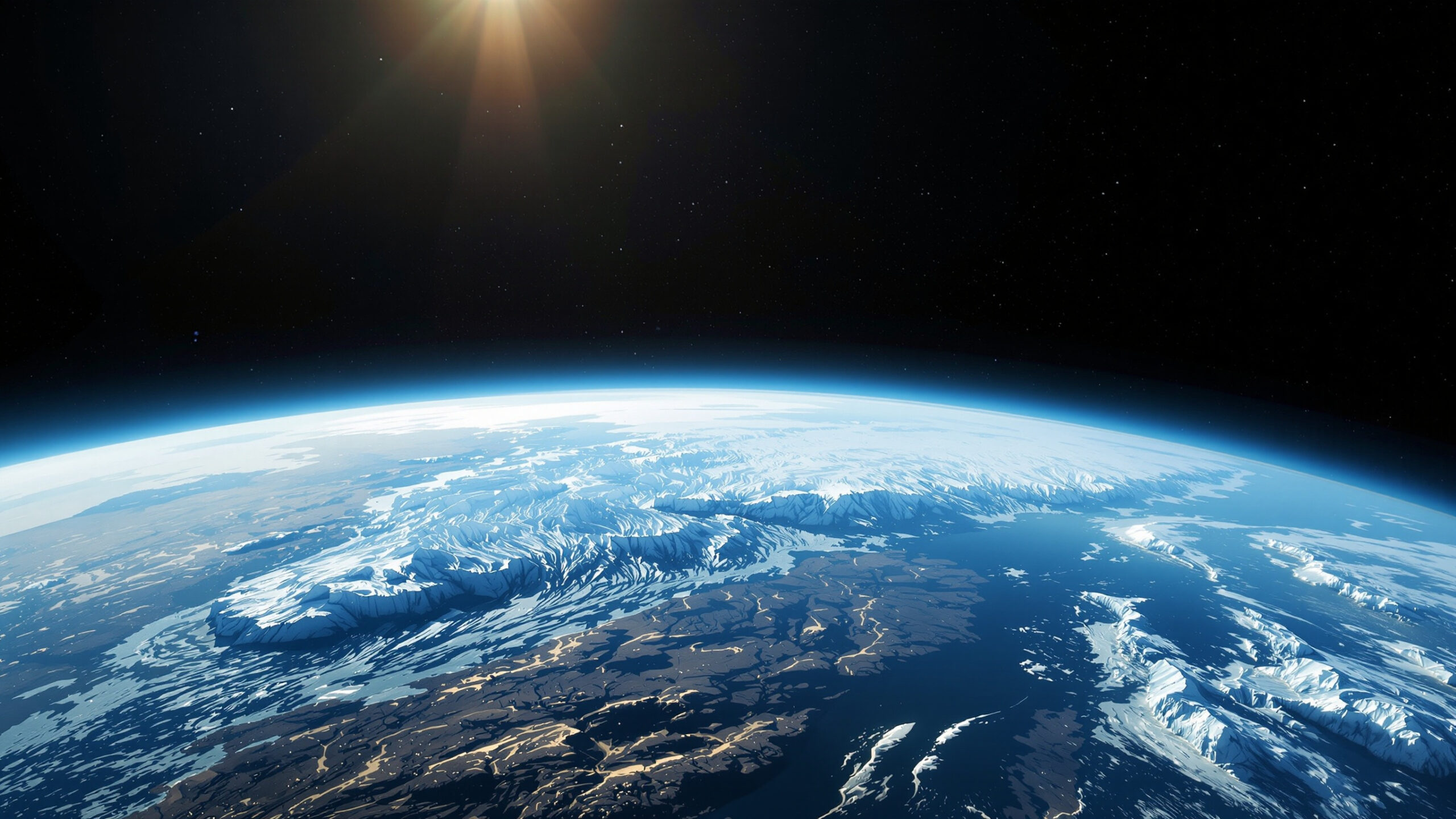
Inside Climate Models: How Scientists Predict the Future

Climate models are powerful scientific tools that simulate how Earth’s climate responds to changing conditions. Built on fundamental laws of physics, they integrate atmosphere, oceans, ice, land, and ecosystems to project future temperatures, sea levels, and extreme weather. This article takes you inside climate models to explain how they work, why scientists trust them, and how they reveal the risks—and choices—that shape our climate future.

Natural Climate Cycles vs Human-Driven Change

Earth’s climate has always shifted in response to natural cycles, from ice ages to warm periods. But modern warming is faster, global, and driven by human activity. This article explains how natural forces like orbital cycles, volcanoes, and solar variation differ from human-driven greenhouse gas emissions—and why understanding the difference is critical for interpreting today’s climate change.

Can Earth’s Climate Reach a Point of No Return?

The idea of a climate “point of no return” raises urgent questions about Earth’s future. While the climate system is resilient, it is not limitless. This article explores whether gradual warming can trigger irreversible changes—such as ice sheet collapse, permafrost thaw, or ecosystem loss—and explains why timing, thresholds, and feedbacks matter. Understanding what science really means by “no return” reveals both the risks ahead and the power of choices made today.

Satellites Watching Earth: How Climate Is Measured From Space

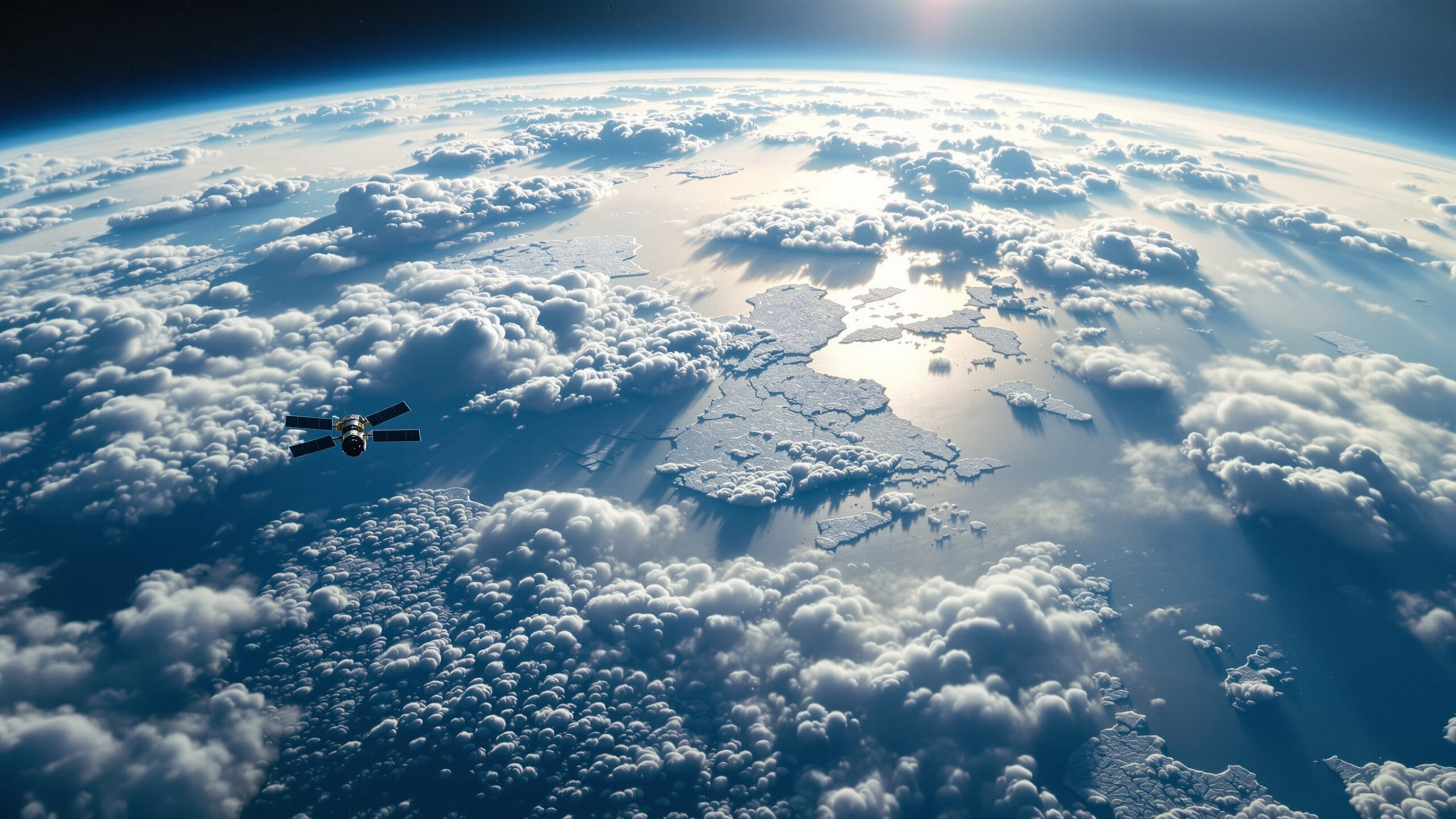
From melting ice sheets to rising sea levels and shifting cloud patterns, satellites provide the clearest evidence of how Earth’s climate is changing. Orbiting instruments track temperature, greenhouse gases, oceans, land, and extreme weather with global precision—revealing trends impossible to see from the ground. This article explains how climate is measured from space and why satellites are essential to understanding a changing planet.

Past Climate Shifts That Changed Life on Earth

From global ice ages to extreme warming events, Earth’s climate has repeatedly rewritten the story of life. Ancient shifts in temperature, atmosphere, and ocean chemistry triggered mass extinctions, fueled evolutionary breakthroughs, and reshaped ecosystems for millions of years. This article explores the major climate events that changed life on Earth—and what they reveal about the risks and resilience of a changing planet.

Jet Streams Explained: The Invisible Forces Steering Weather

Jet streams are fast-moving air currents high above Earth that quietly direct storms, heatwaves, cold snaps, and rainfall patterns. By separating warm and cold air masses and steering weather systems across continents, they act as the atmosphere’s steering wheels. This article explains how jet streams form, why they are changing, and how their shifting behavior is reshaping weather in a warming world.

Why the Arctic Matters to the Rest of the World

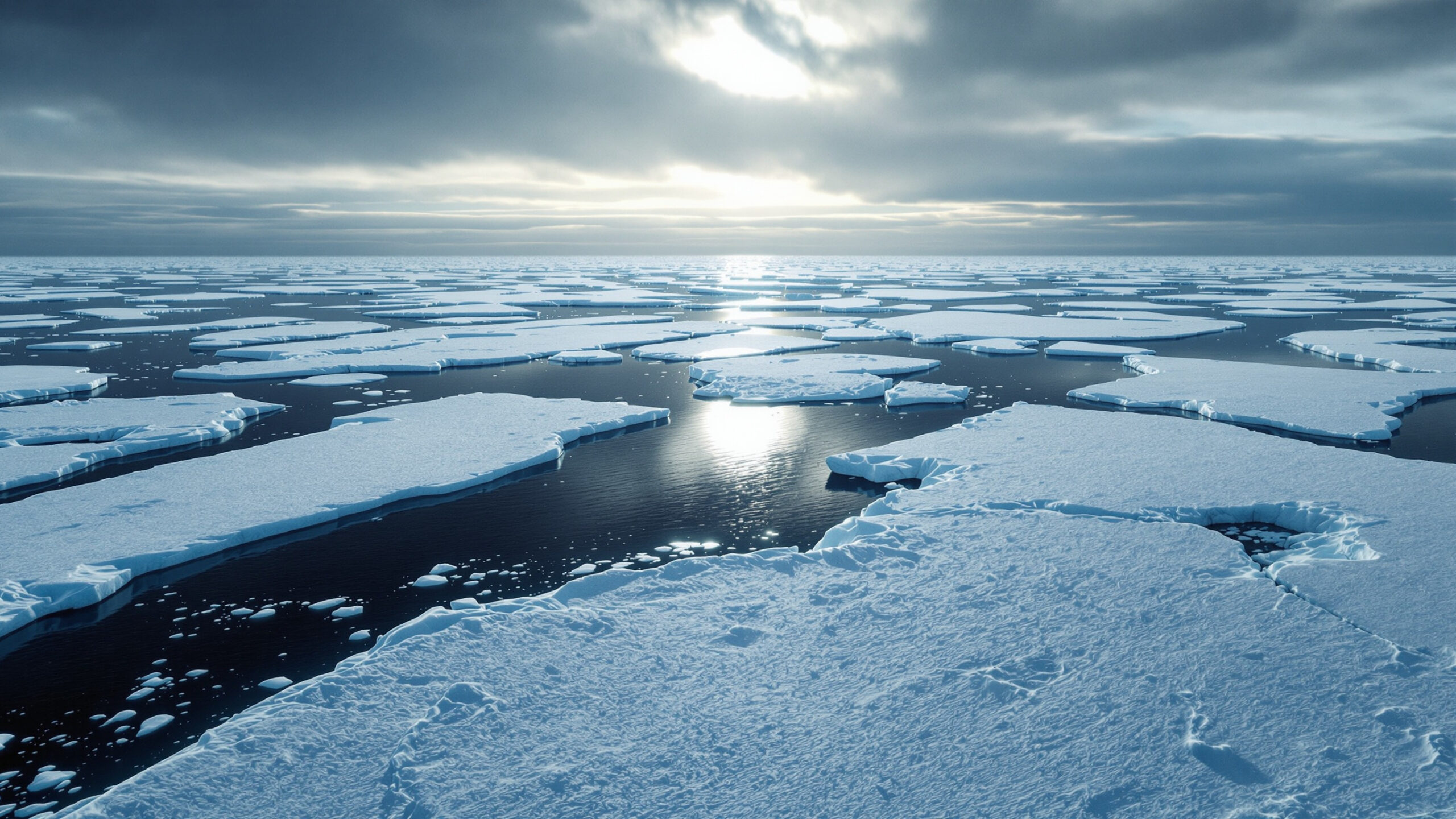
The Arctic may seem remote, but it plays a central role in regulating Earth’s climate. Rapid warming, melting ice, and thawing permafrost are reshaping ocean circulation, disrupting weather patterns, and accelerating global climate change. This article explains why the Arctic matters to everyone—and how changes in this fragile region ripple across the entire planet.

Climate Change Myths vs Facts: What Science Really Says

From “the climate has always changed” to “scientists don’t agree,” myths about climate change continue to blur public understanding. This article breaks down the most common misconceptions and contrasts them with what decades of scientific evidence actually show. By separating myth from fact, it reveals how Earth’s climate is changing, why humans play a central role, and what the science says about risks, uncertainty, and the path forward.

The Carbon Cycle: How Nature Stores—and Releases—Carbon

Carbon is constantly on the move, cycling through the atmosphere, oceans, land, and living organisms in a complex system that regulates Earth’s climate. The carbon cycle determines how much heat the planet retains, how ecosystems function, and how stable global temperatures remain over time. This article explores how nature stores carbon, how it is released, and why disruptions to this balance are reshaping Earth’s climate future.

How Ocean Currents Control Global Climate

Ocean currents quietly govern Earth’s climate by absorbing, storing, and redistributing heat across the planet. From wind-driven surface flows to deep, density-powered circulation, these massive water movements stabilize temperatures, influence storms, and shape regional climates worldwide. This article explores how ocean currents control global climate—and why changes beneath the waves matter for Earth’s future.

Extreme Weather Explained: Why Storms, Heatwaves, and Floods Are Intensifying

Extreme weather is no longer the exception—it’s becoming the norm. As Earth’s climate warms, the atmosphere and oceans hold more energy and moisture, fueling stronger storms, longer heatwaves, and more destructive floods. This article explains the science behind intensifying extremes, from stalled weather systems and ocean heat to jet stream disruption, revealing why today’s weather is more volatile than ever.