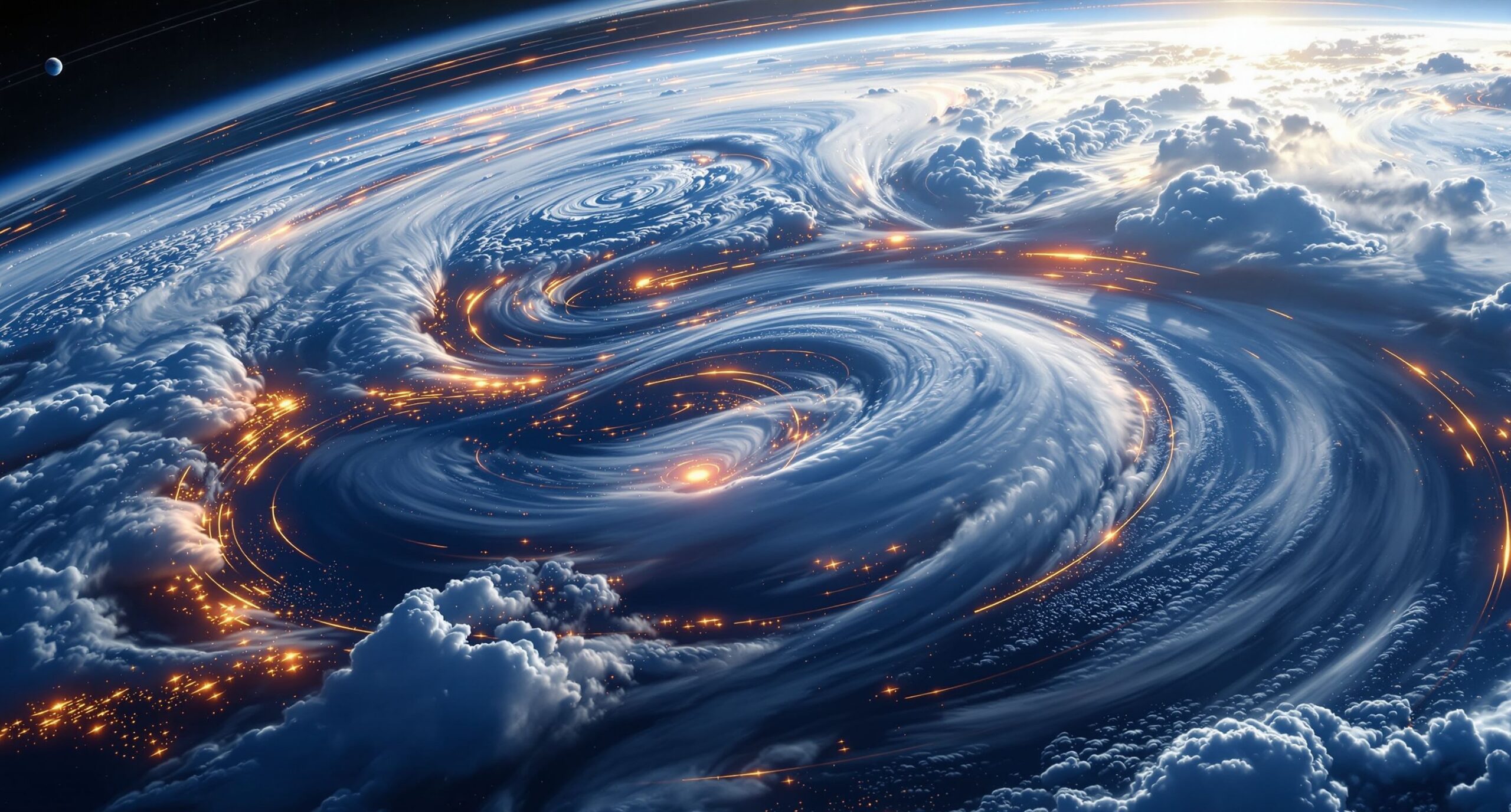
The Science Behind Climate Predictions
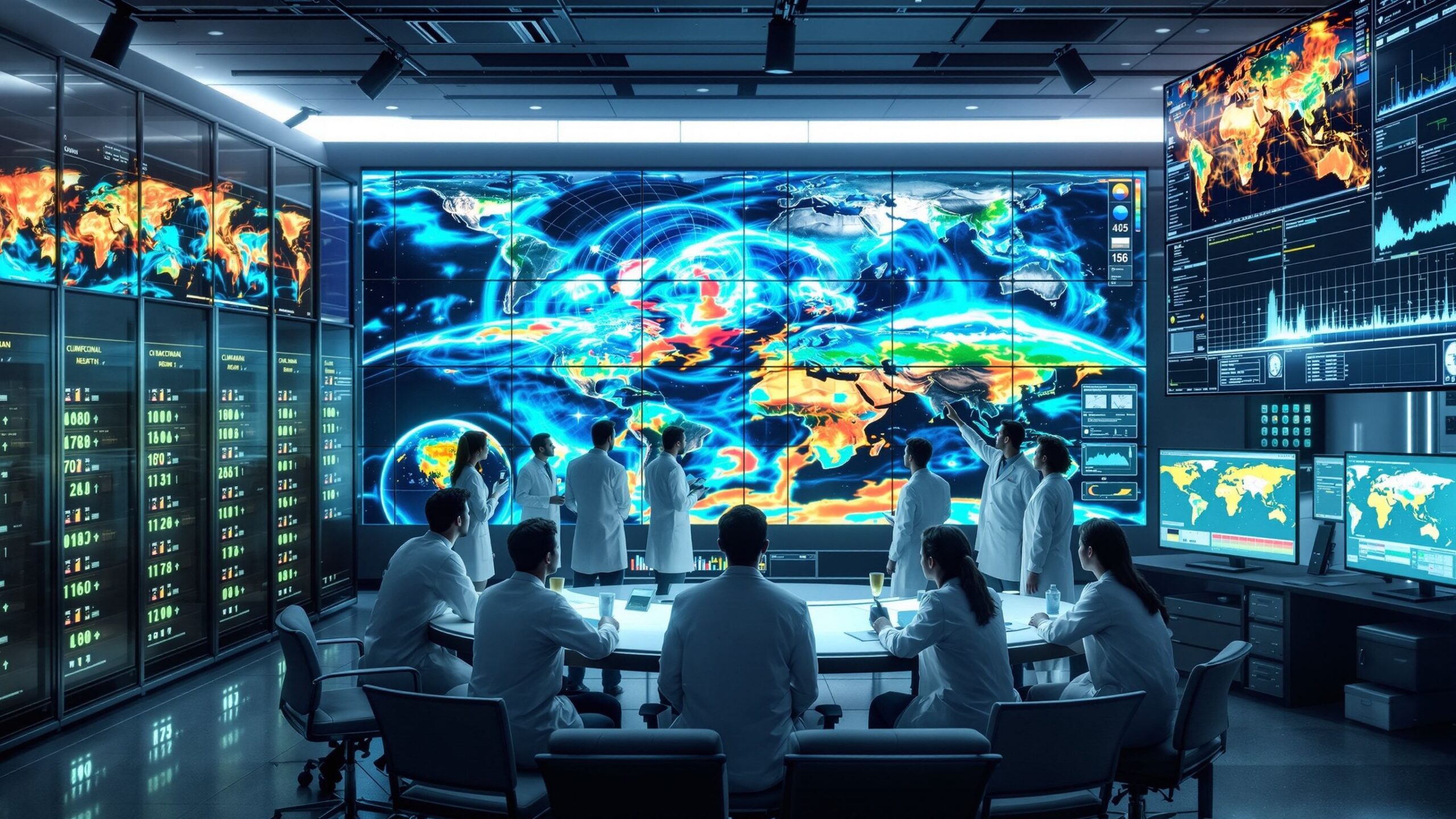
Climate predictions help scientists understand how Earth’s climate may change in the future. Learn the science, technology, and data that make climate forecasting possible.

Understanding a Changing Planet
Climate predictions help scientists understand how Earth’s climate may change in the future. Learn the science, technology, and data that make climate forecasting possible.
How accurate are climate models? Learn how scientists evaluate climate model performance, understand their strengths and limitations, and discover why they are trusted for climate forecasting.
Climate forecasting helps scientists predict long-term climate trends and environmental changes. Learn how climate forecasts are created, what they reveal, and why they are essential for planning the future.
Climate feedback loops shape how Earth responds to environmental change. Positive feedback loops amplify warming, while negative feedback loops help stabilize the climate through natural balancing processes across oceans, ice, forests, and the atmosphere.
Carbon feedback loops are natural processes that can either accelerate or slow climate change. From melting permafrost to shrinking forests and warming oceans, these feedback systems play a major role in Earth’s climate future.
The carbon cycle is one of Earth’s most important natural systems. It moves carbon through the atmosphere, oceans, plants, animals, soil, and rocks, helping regulate climate, ecosystems, and the balance of life on Earth.
Oceans are Earth’s largest climate regulators, absorbing heat, storing energy, and redistributing warmth around the globe. Their powerful currents and interactions with the atmosphere help stabilize temperatures and shape global climate patterns.
Oceans and ice are two of the most powerful climate regulators on Earth. Together, they control temperature balance, weather systems, ocean circulation, sea levels, and the movement of heat and moisture around the planet.
Ocean and cryosphere systems are among the most important parts of Earth’s climate engine. Together, oceans and frozen regions regulate temperatures, drive weather patterns, influence sea levels, and help control the balance of life on the planet.
Jet streams are fast-moving rivers of air high above Earth that help control storms, temperature shifts, and major weather events. Understanding how jet streams work reveals why weather extremes can become so powerful and unpredictable.
Global wind patterns are powered by solar energy, Earth’s rotation, and atmospheric pressure differences. These powerful air movements shape climate zones, influence weather systems, drive ocean currents, and impact ecosystems across the planet.
Atmospheric circulation is one of the most powerful systems controlling Earth’s climate. From tropical rainforests to polar deserts, global wind patterns move heat, moisture, and energy across the planet, shaping weather systems, ocean currents, and long-term climate zones.