What Causes an Ecosystem to Collapse?
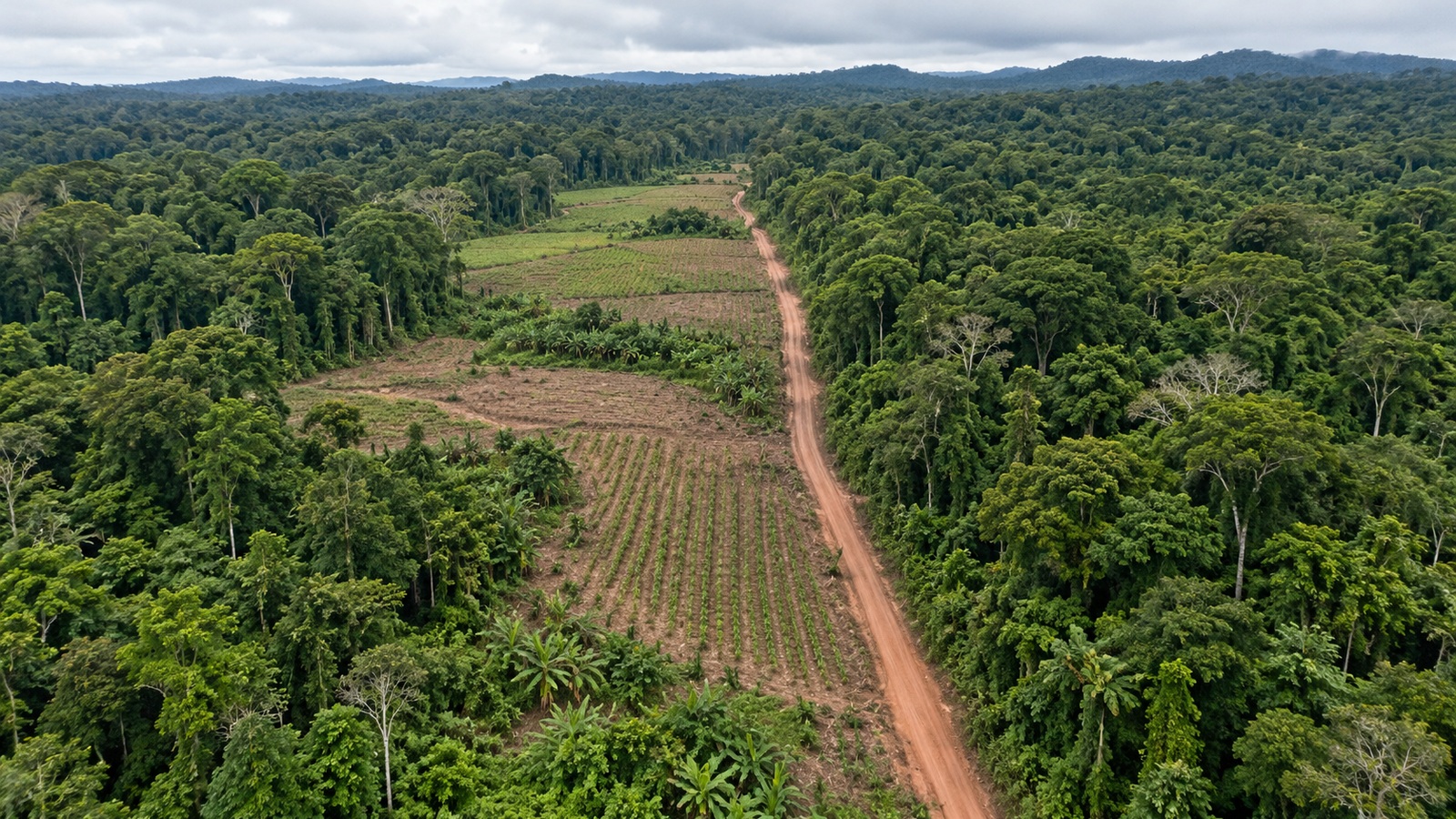
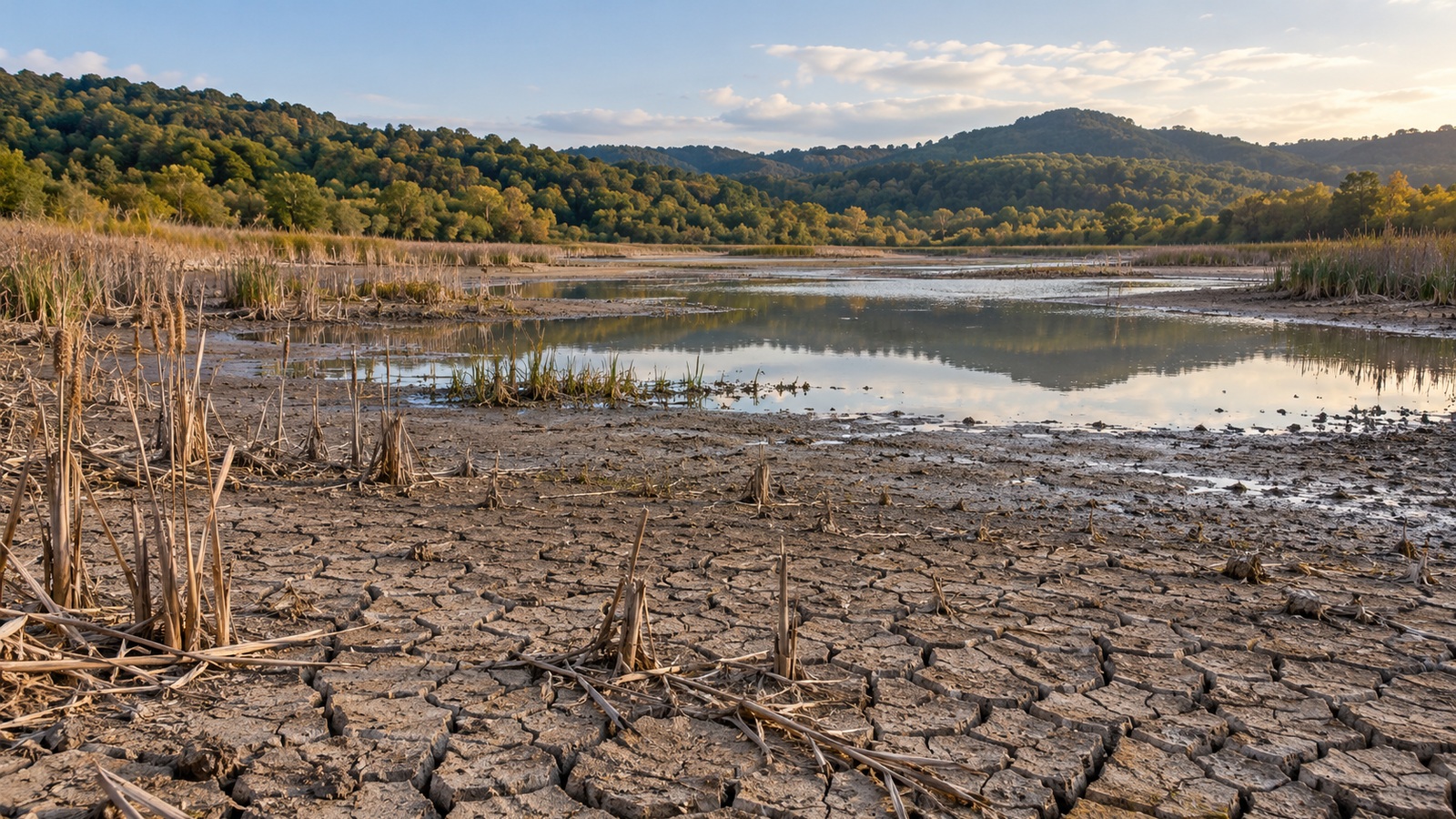
Distinguish the pressure that weakens an ecosystem, the event that triggers a shift, and the processes maintaining the aftermath. Jamaican reef history makes that causal chain concrete.

Understanding a Changing Planet
Distinguish the pressure that weakens an ecosystem, the event that triggers a shift, and the processes maintaining the aftermath. Jamaican reef history makes that causal chain concrete.
Virginia’s eelgrass restoration rebuilt thousands of hectares and renewed ecological services, while some species recovered more slowly. The case explains what substantial recovery can—and cannot yet—mean.
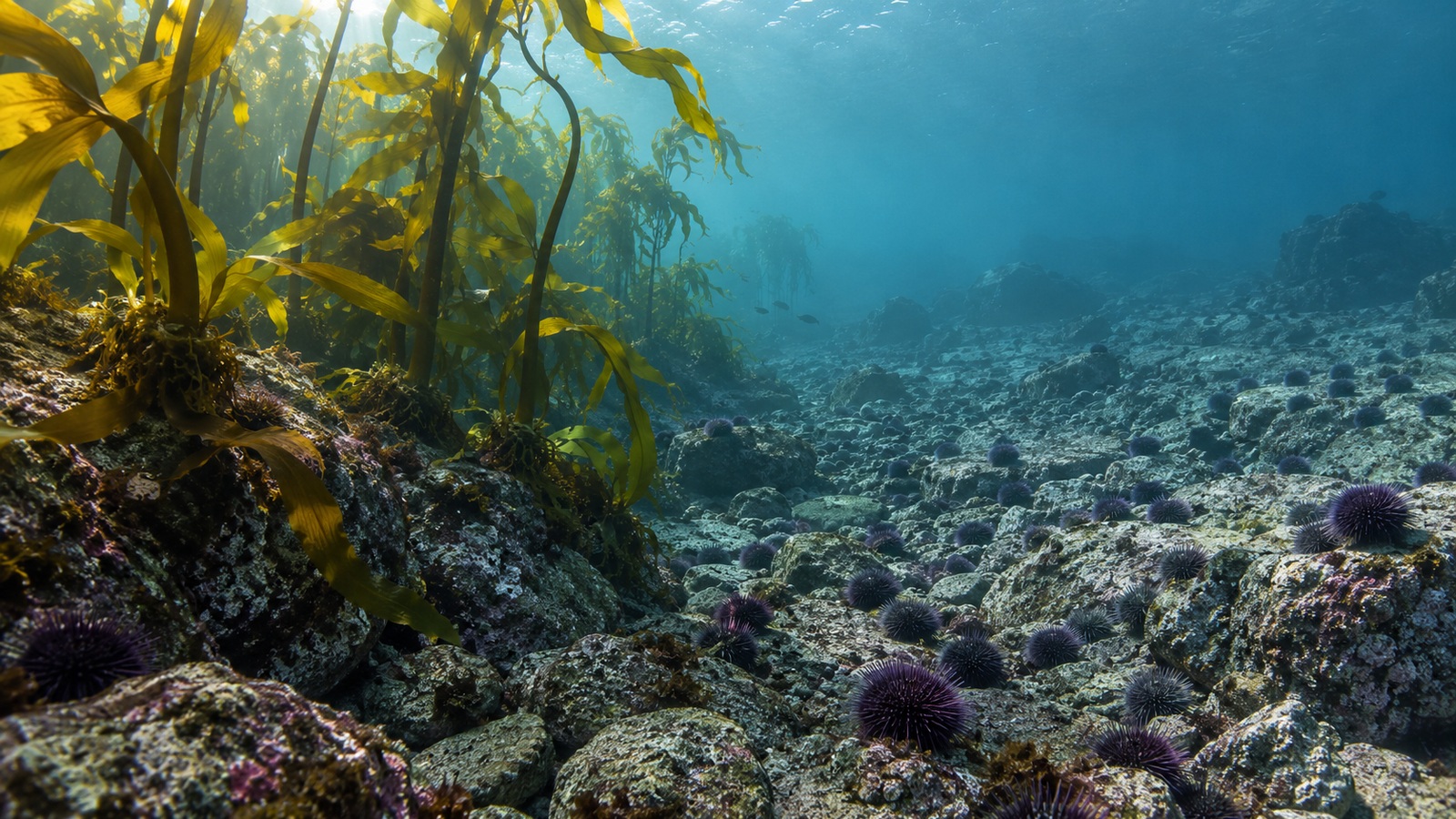
Northern California’s bull-kelp losses show how an ecosystem can change identity while life remains. Explore thresholds, persistent feedbacks, and what ecological collapse actually means.
Knotweed moved with soil and didymo carried between waterways illustrate how invasions spread. Distinguish local growth, distant transport, satellite populations, and the feedbacks that can sustain dominance.
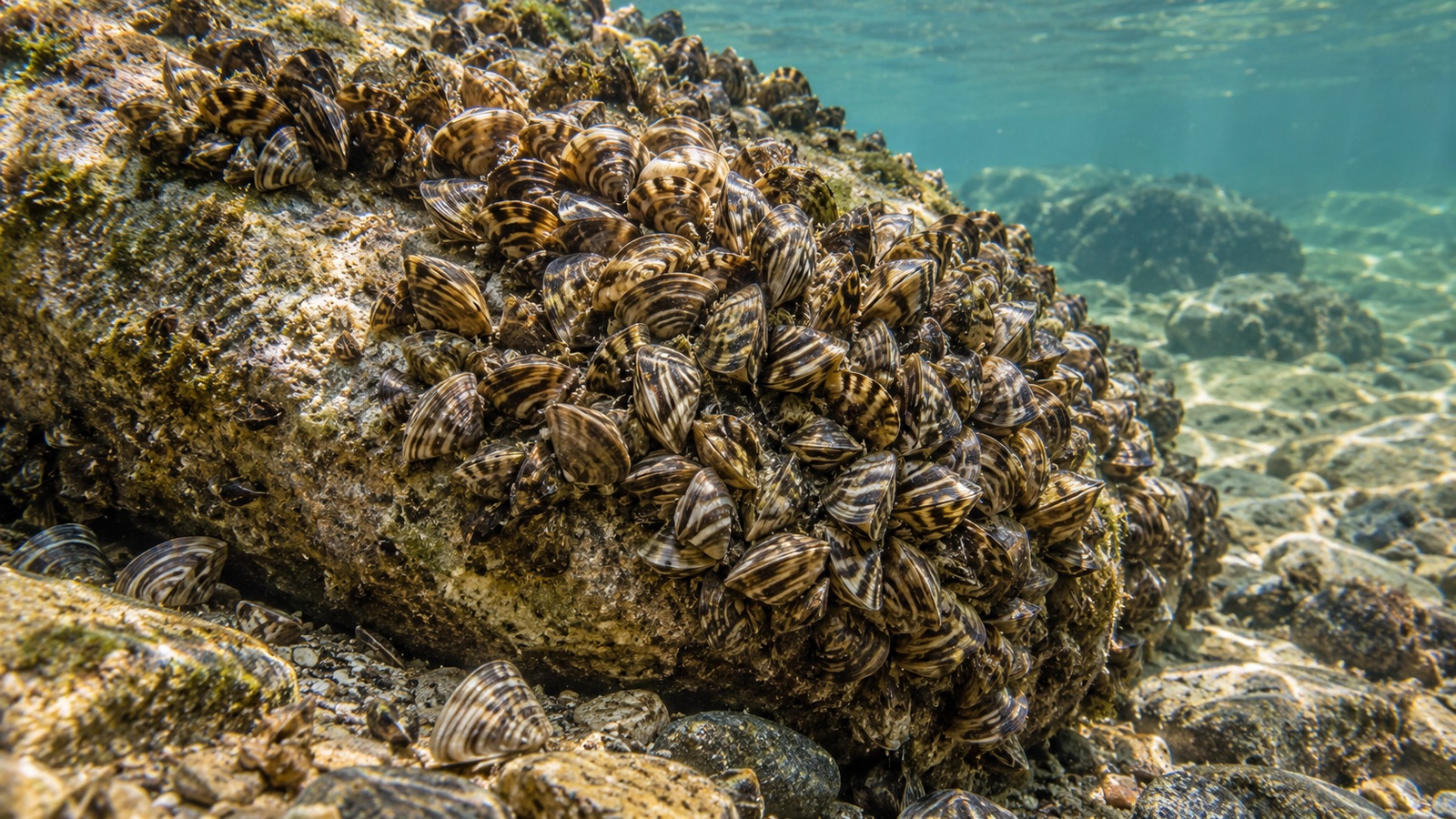
From zebra mussels in the Great Lakes to brown treesnakes on Guam, destructive invasions have identifiable places and mechanisms. Compare those histories with rats, chestnut blight, and cane toads.
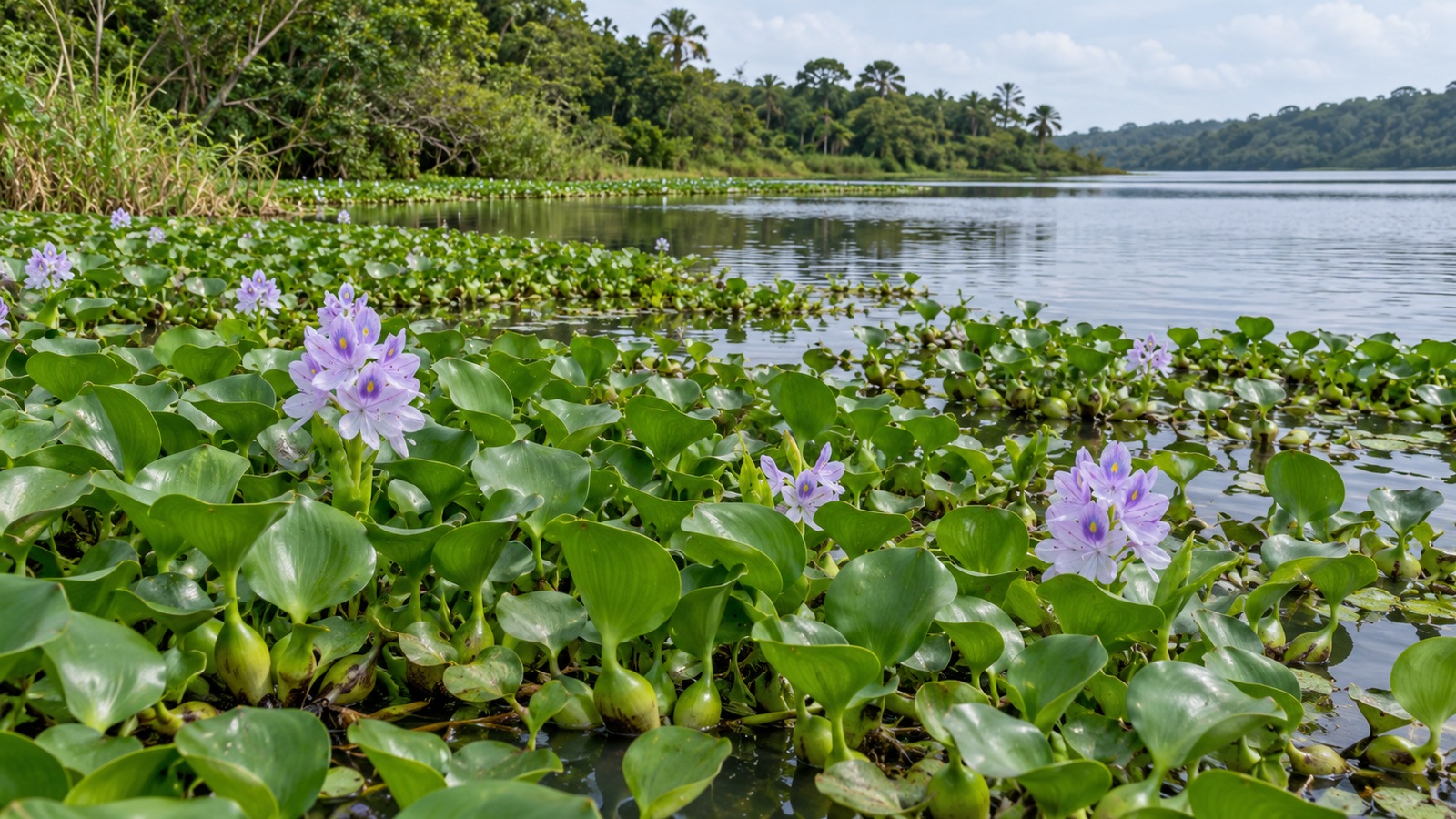
An introduced species becomes an invasive-species concern through harm. Emerald ash borer and water hyacinth show how that harm can work through very different ecological mechanisms.
The passenger pigeon’s extinction and the loss of the Bramble Cay melomys show different pathways to disappearance. Put those histories beside the scale of risk estimated by the 2019 IPBES assessment.
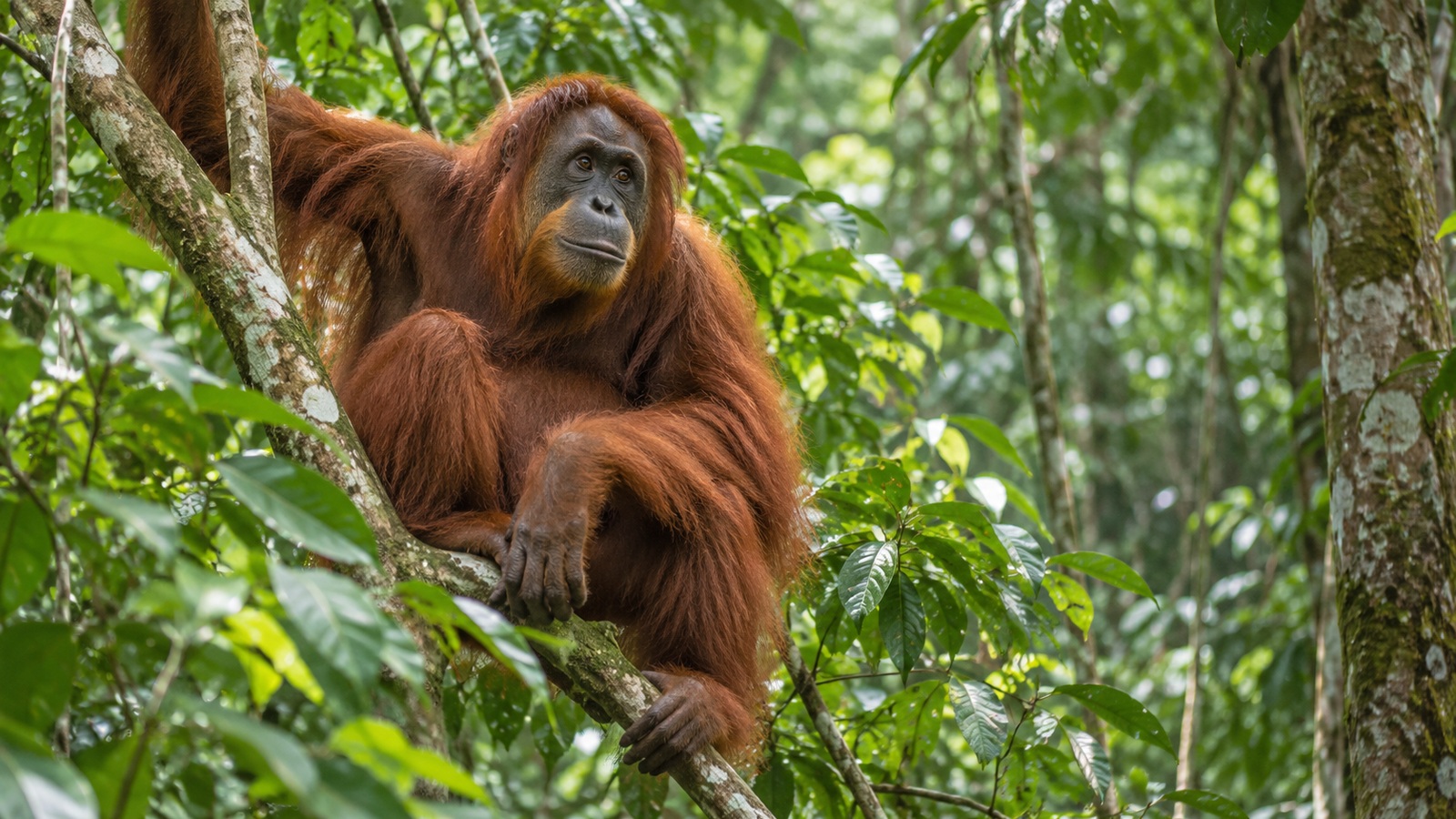
Meet five animals facing severe extinction risk, with dated vaquita survey findings, the Javan rhino estimate, and September 2026 kākāpō recovery figures linked to their specific conservation needs.
Threat categories describe extinction risk rather than simply ranking small populations. African elephant assessments and the Western European hedgehog illustrate how the categories work.
Indigo bunting experiments revealed how a bird can learn a directional reference from the rotating sky. Explore how that evidence fits with inherited tendencies, magnetic information, landmarks, and wind.
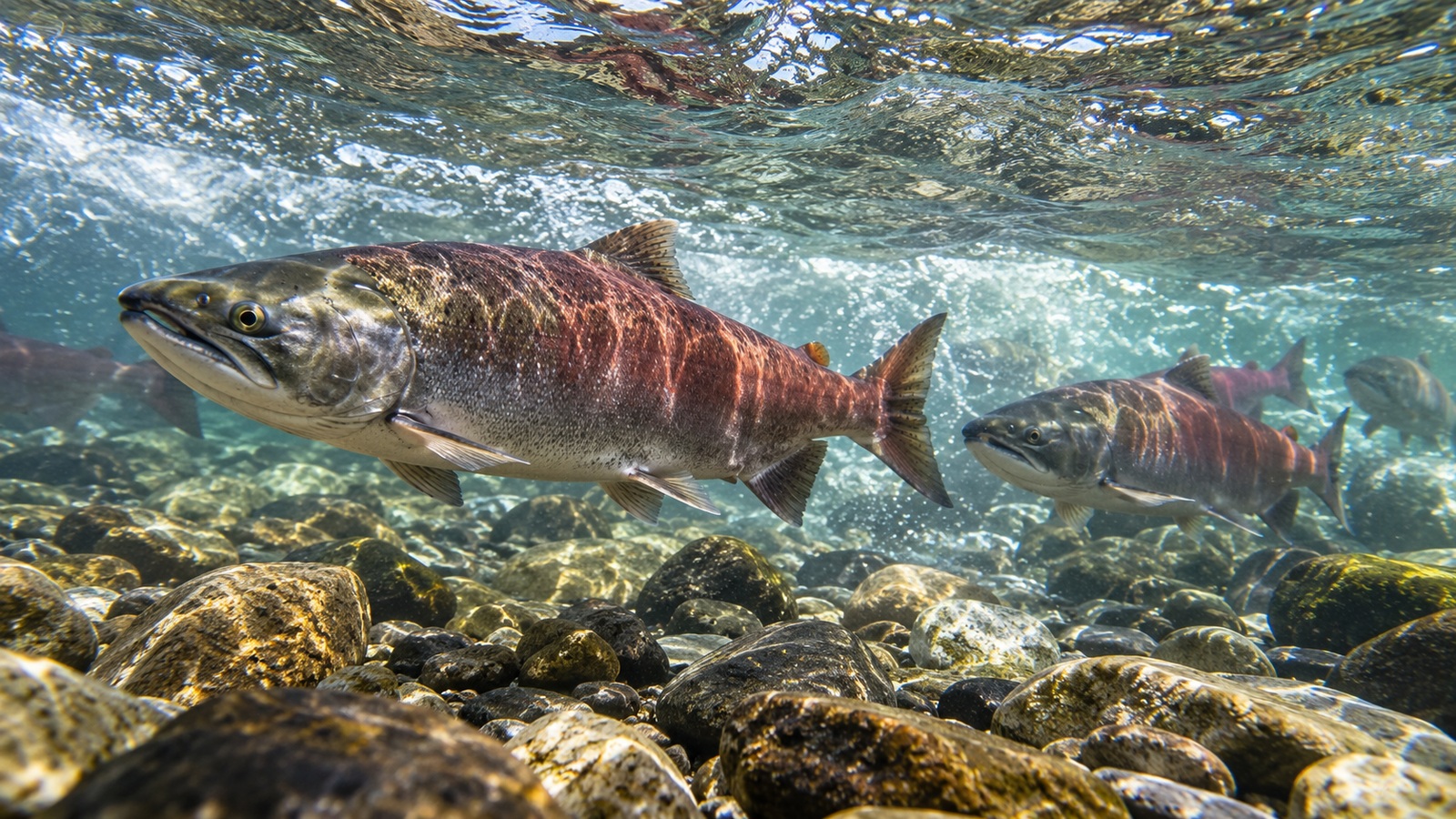
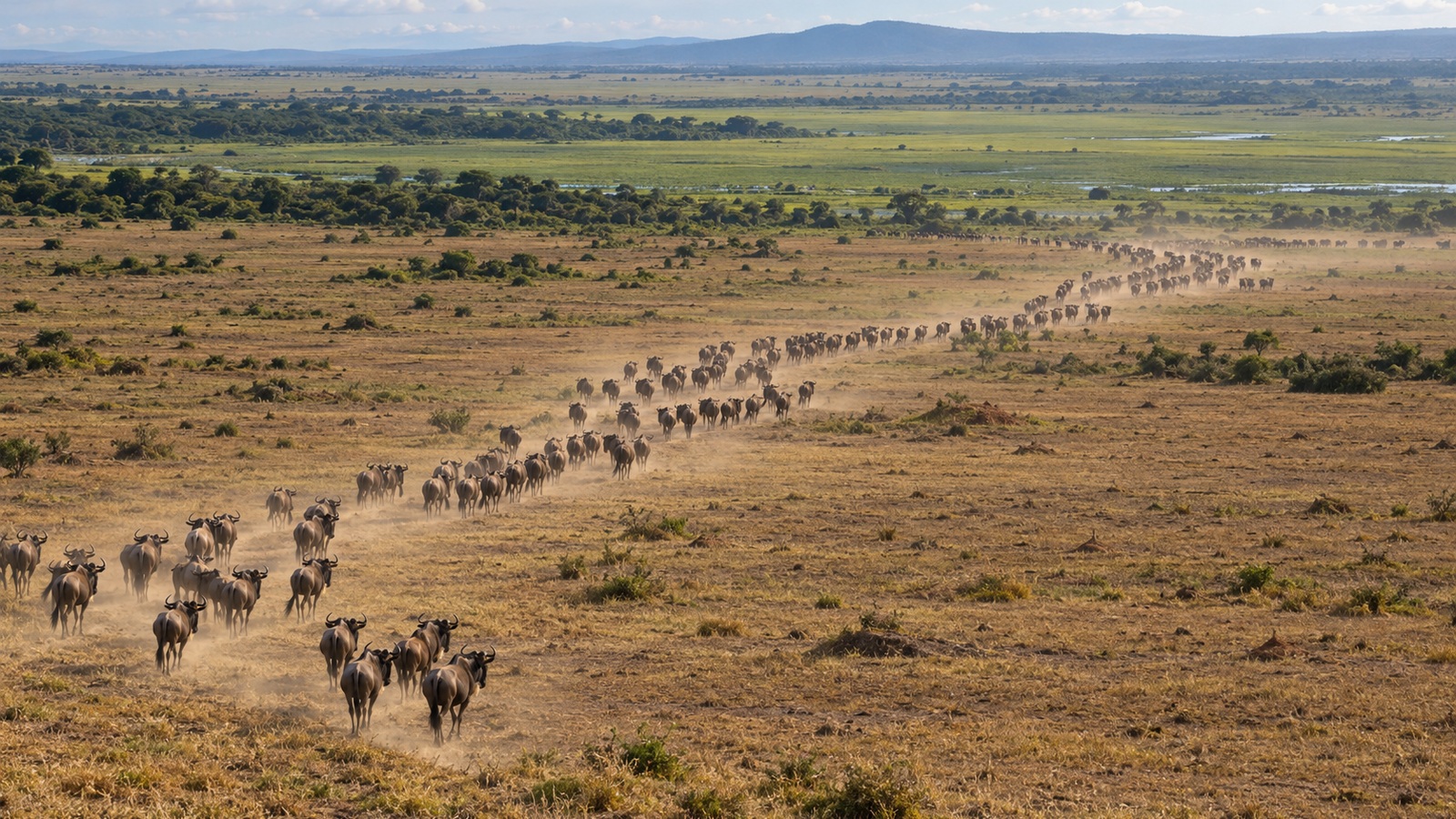
Migration combines seasonal preparation, direction, learning, and destination recognition. Salmon homing and a whooping-crane study show why different parts of a journey need different explanations.
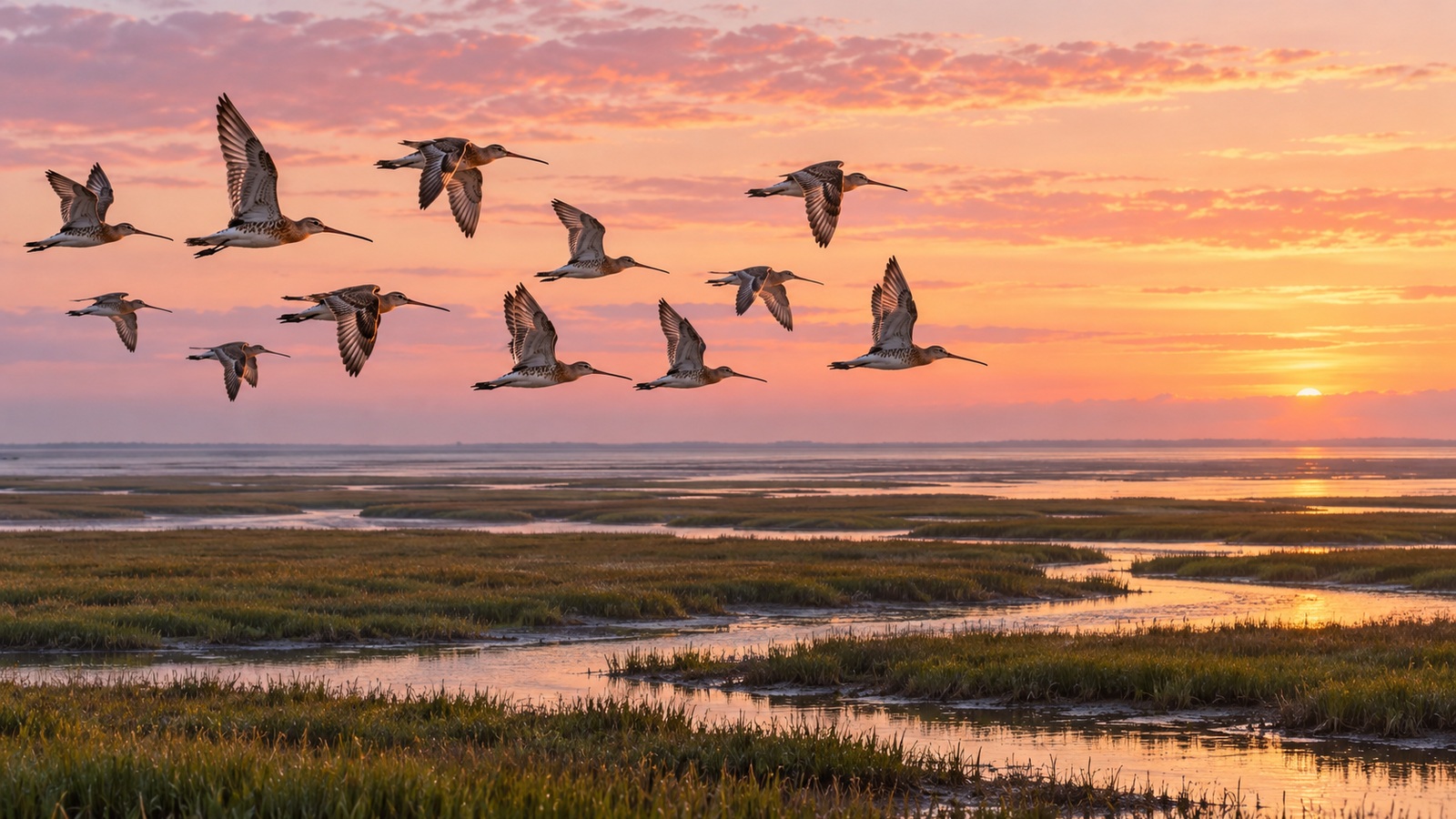
Follow Arctic terns toward Antarctica, godwits across the Pacific, and monarchs into Mexico. Their routes explain why the benefits of migration can outweigh its considerable costs.