Grassland vs. Savanna: What’s the Difference?
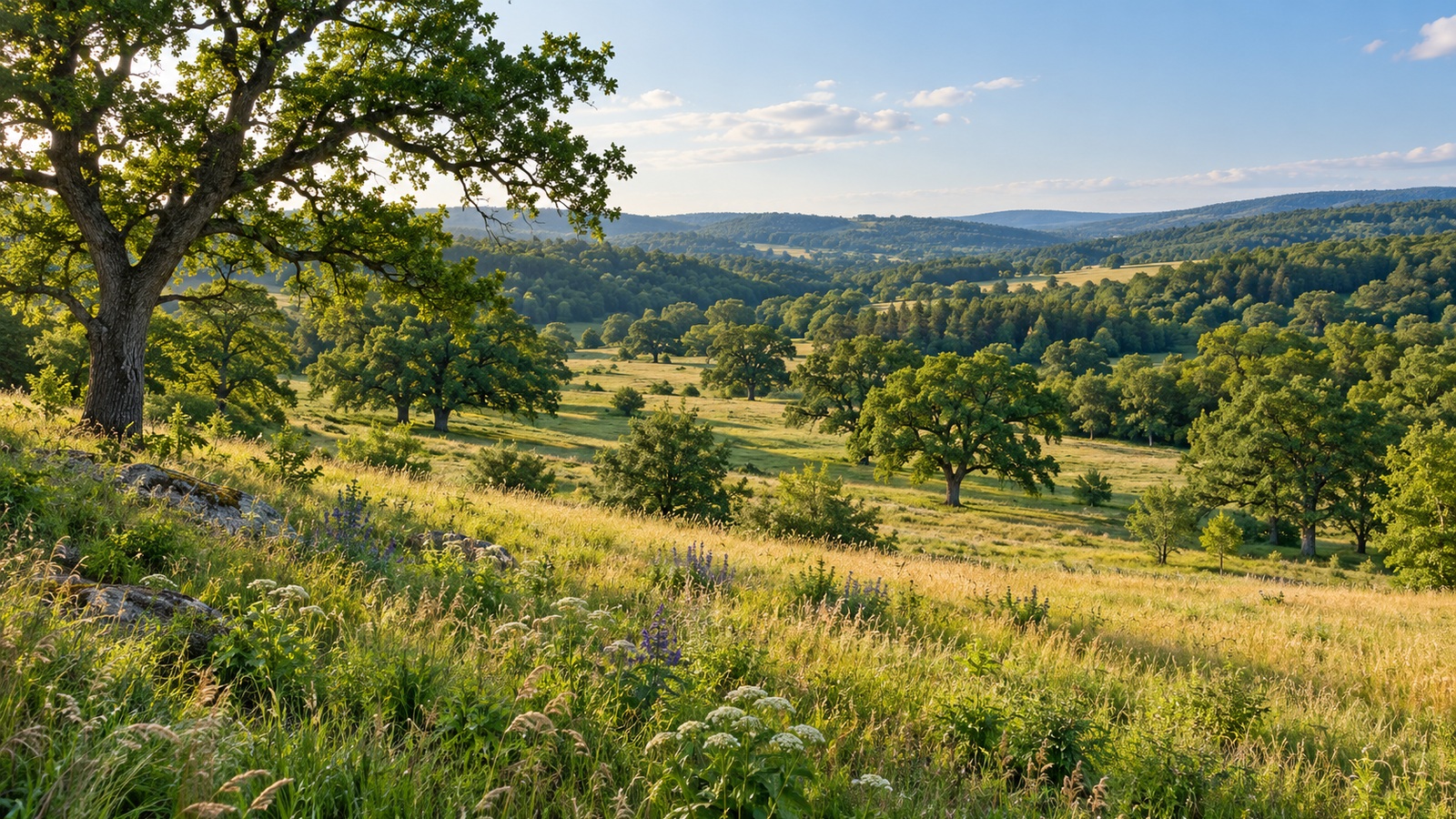
Grasslands are dominated by herbaceous plants; savannas add an open woody layer. Nearby prairie and black-oak savanna habitats at Indiana Dunes make the distinction tangible.

Understanding a Changing Planet
Grasslands are dominated by herbaceous plants; savannas add an open woody layer. Nearby prairie and black-oak savanna habitats at Indiana Dunes make the distinction tangible.
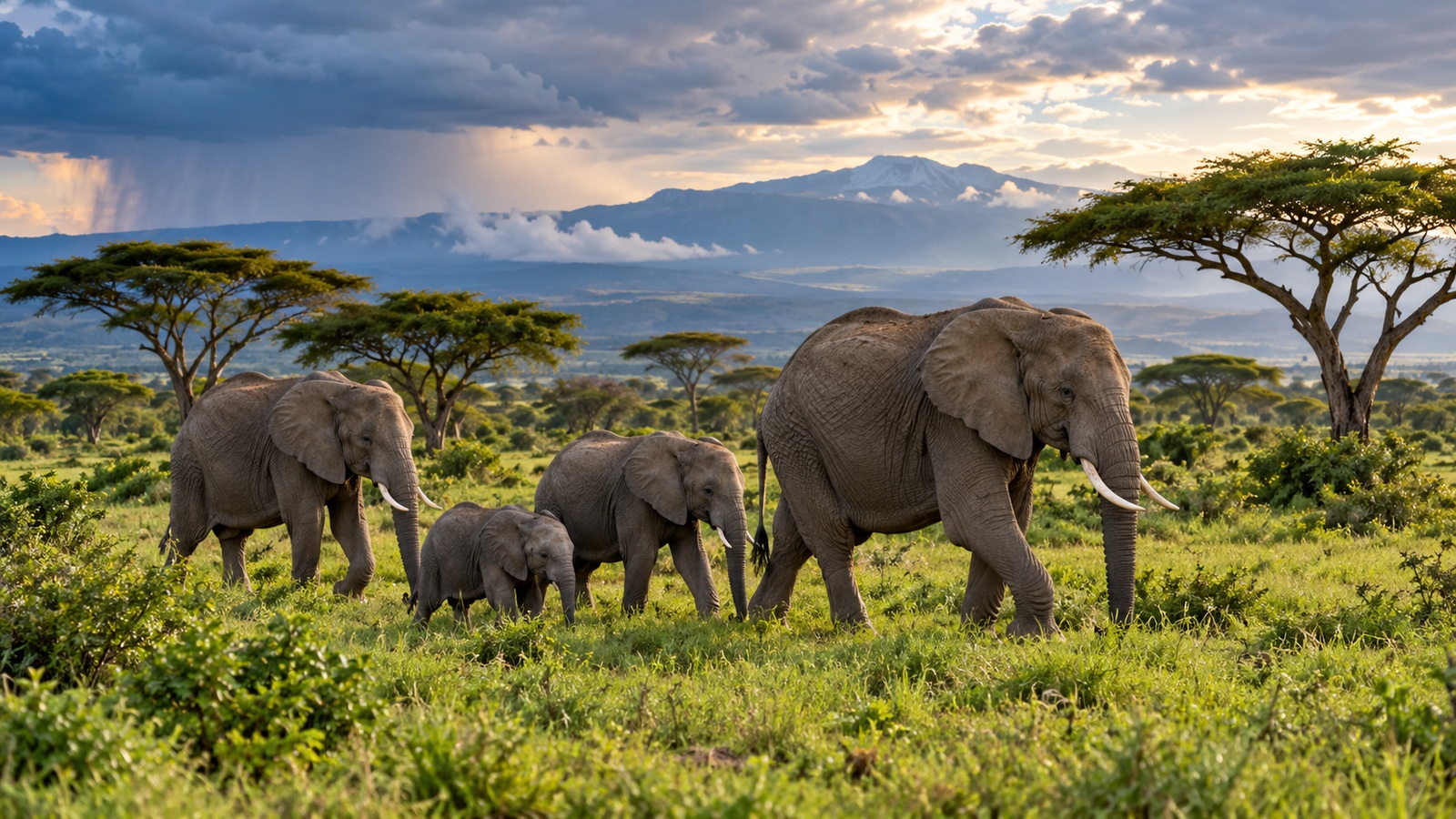
Wildebeest, zebras, predators, and decomposers use a seasonally changing savanna. A Serengeti study connects disease, grazing, fire, and tree recovery into one concrete ecological chain.
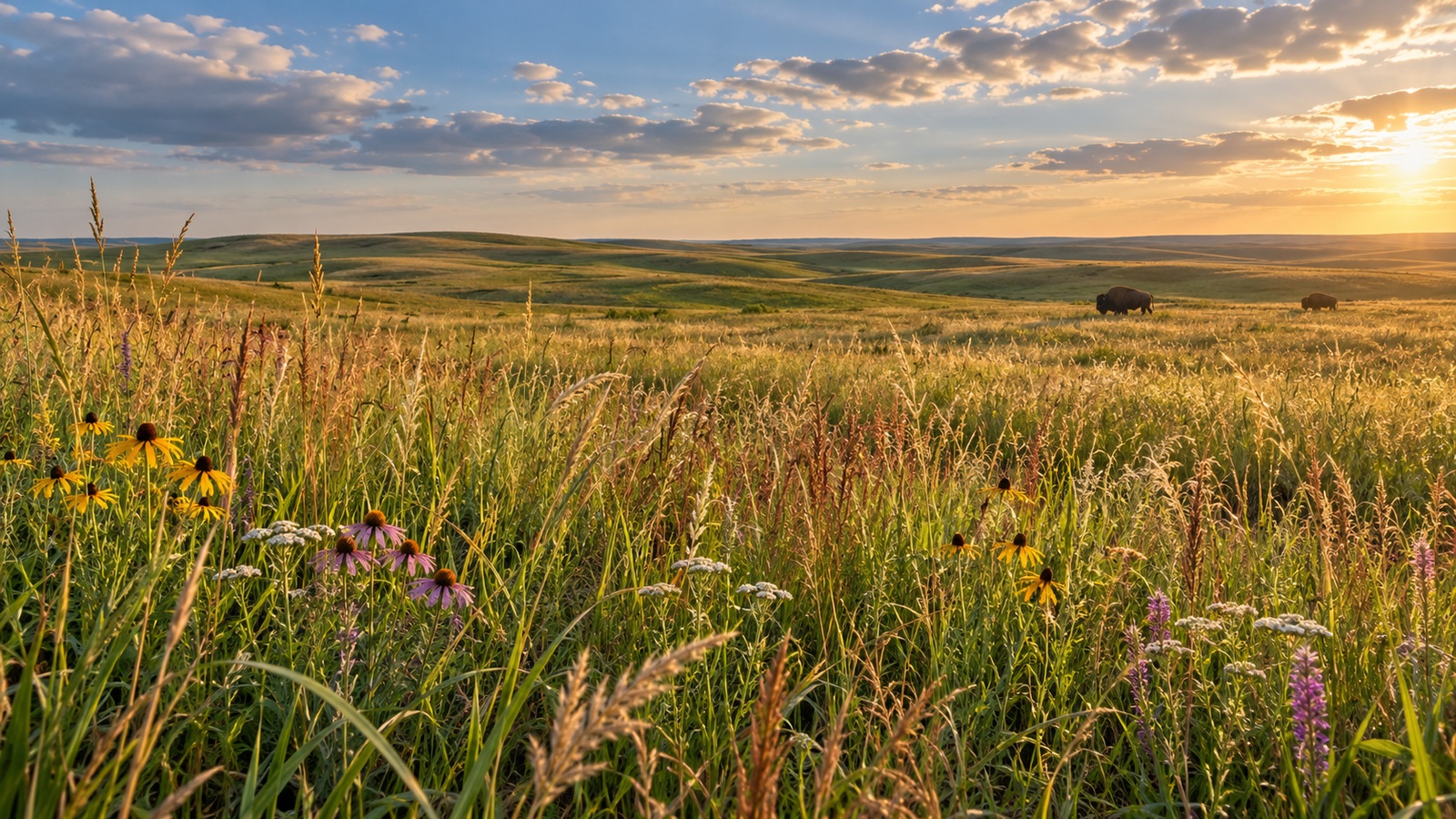
Big bluestem, wildflowers, roots, insects, and grazers make grasslands far more complex than an open horizon suggests. Long-term bison research at Konza Prairie shows how those relationships can change plant diversity.
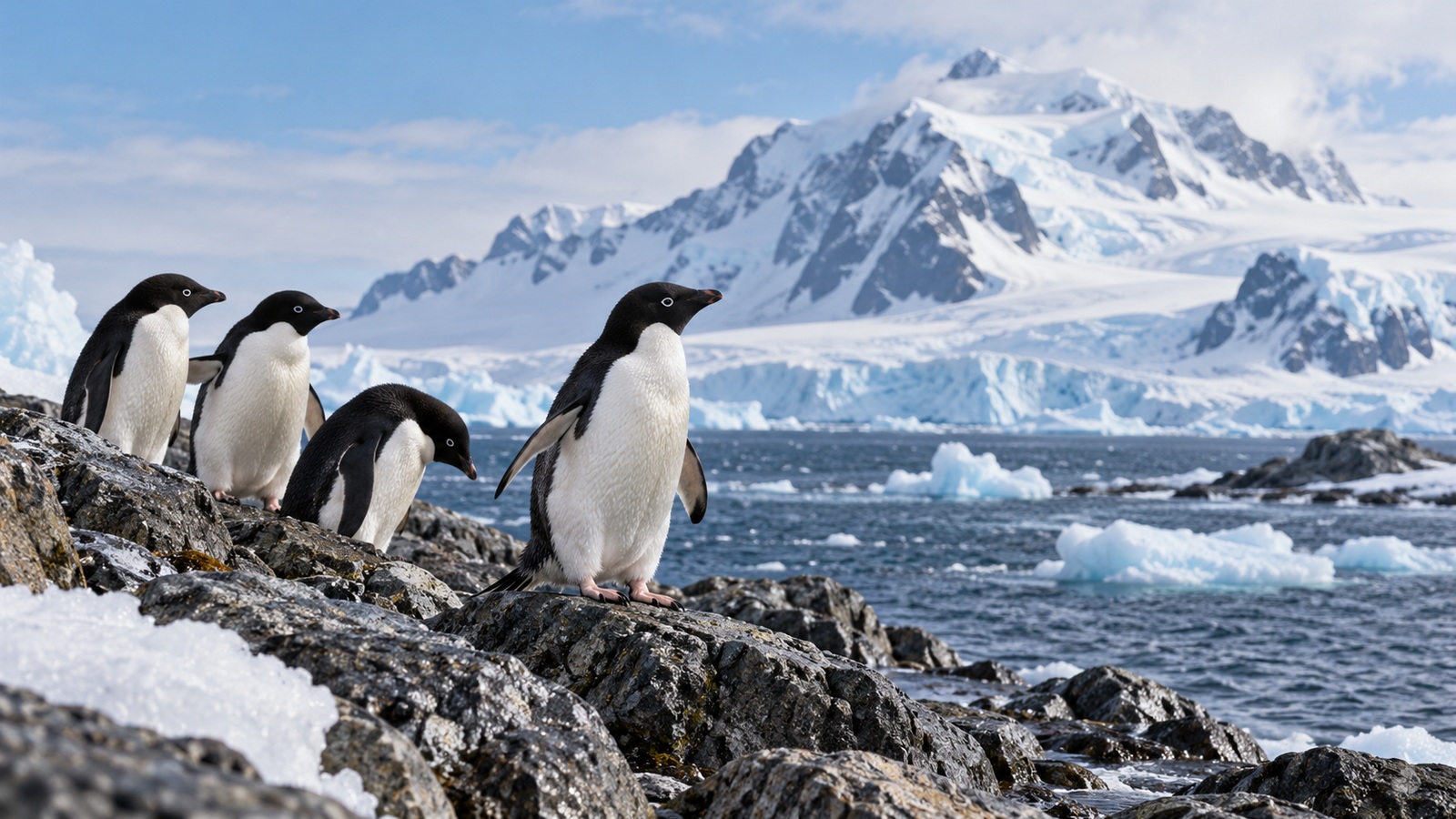
Separate Antarctic ice-sheet change from sea-ice habitat loss. Emperor penguin breeding failures in the Bellingshausen Sea illustrate why the timing of local ice breakup matters.
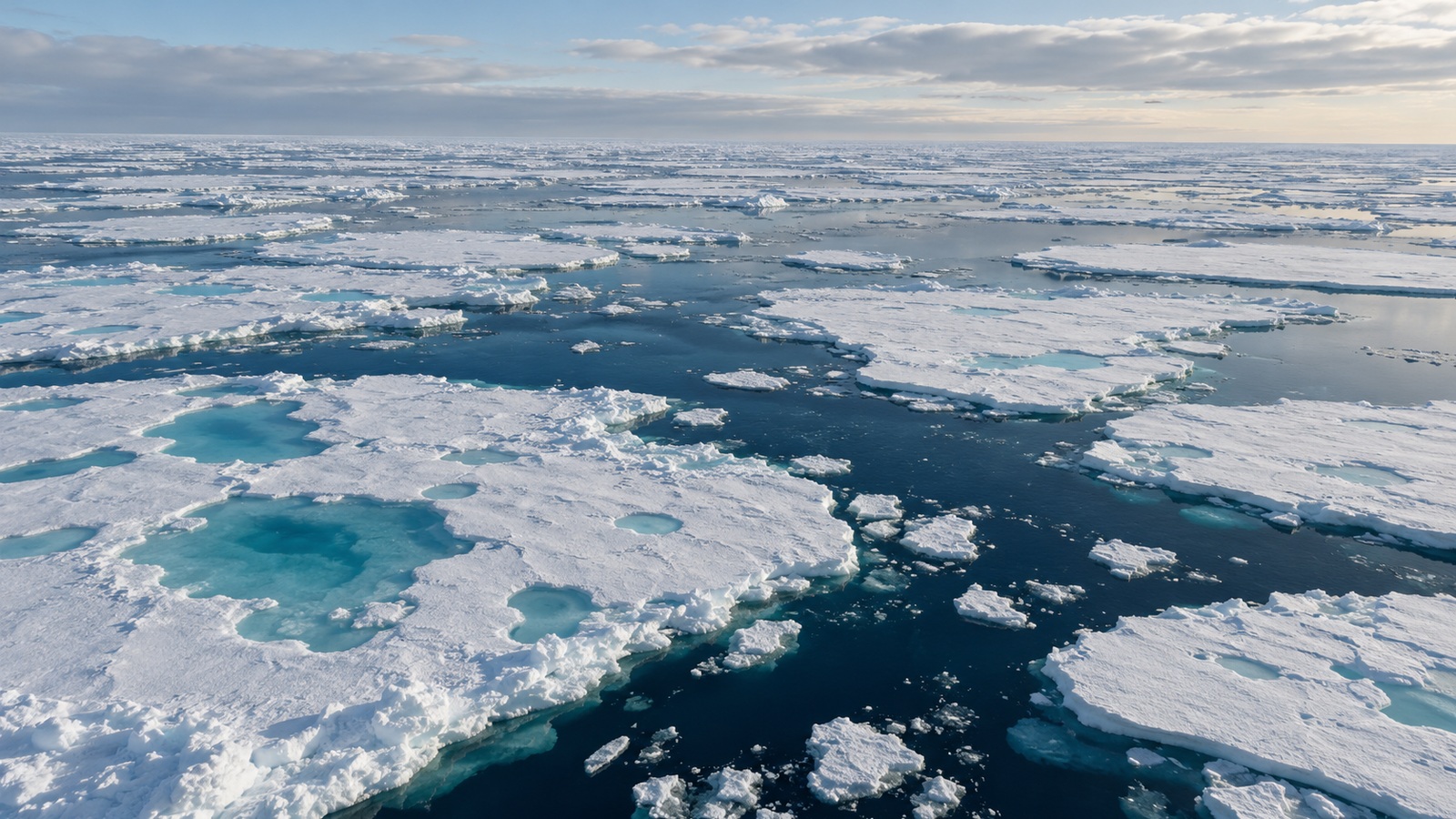
The Arctic warmed nearly four times as fast as the globe during 1979–2021 in one major assessment. Follow the mechanisms and see how local sea-ice observations in Utqiaġvik connect regional change with daily decisions.
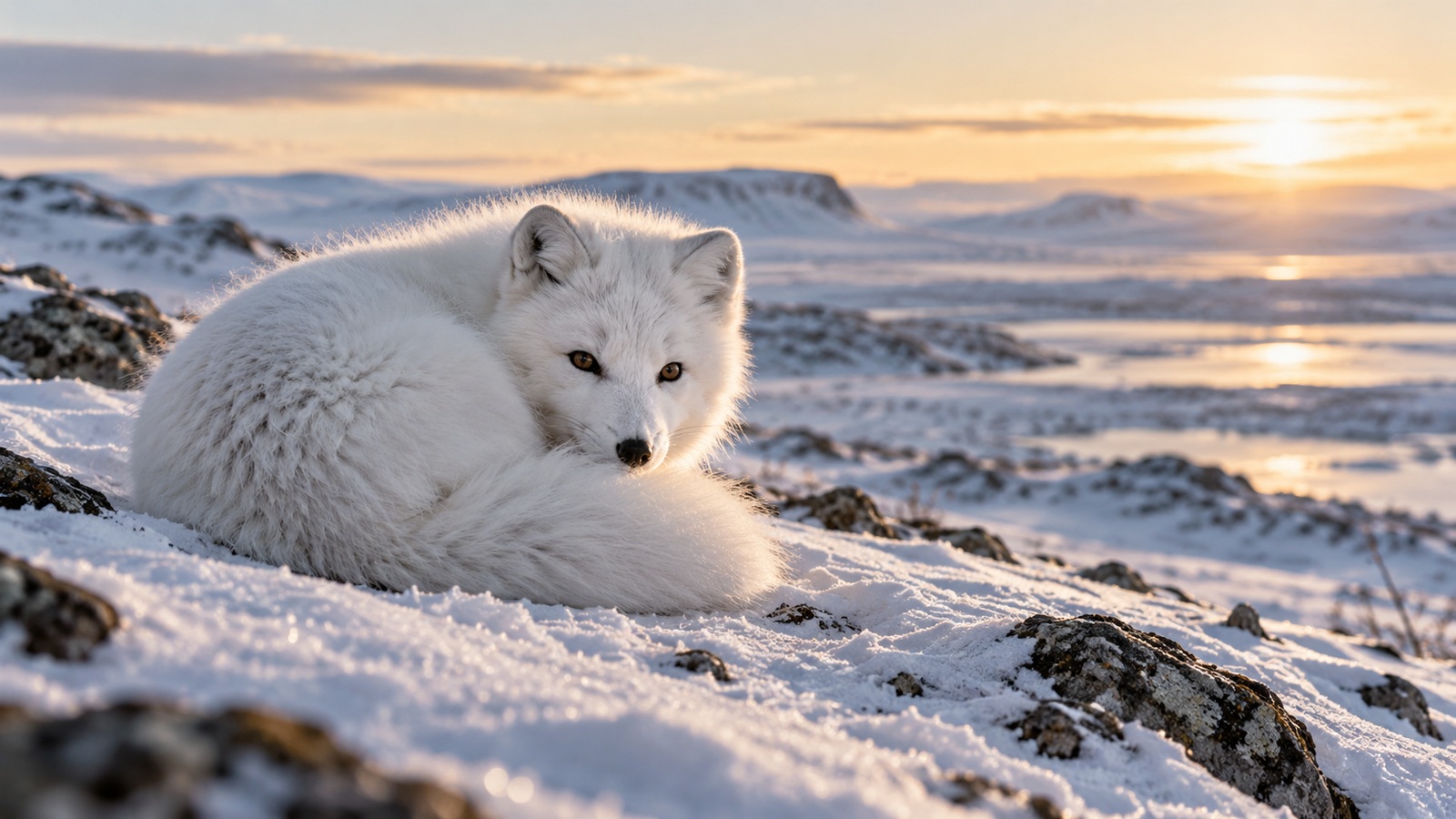
Polar life survives through insulation, seasonal timing, behavior, and specialized physiology. Explore the different worlds of the Arctic and Antarctica.
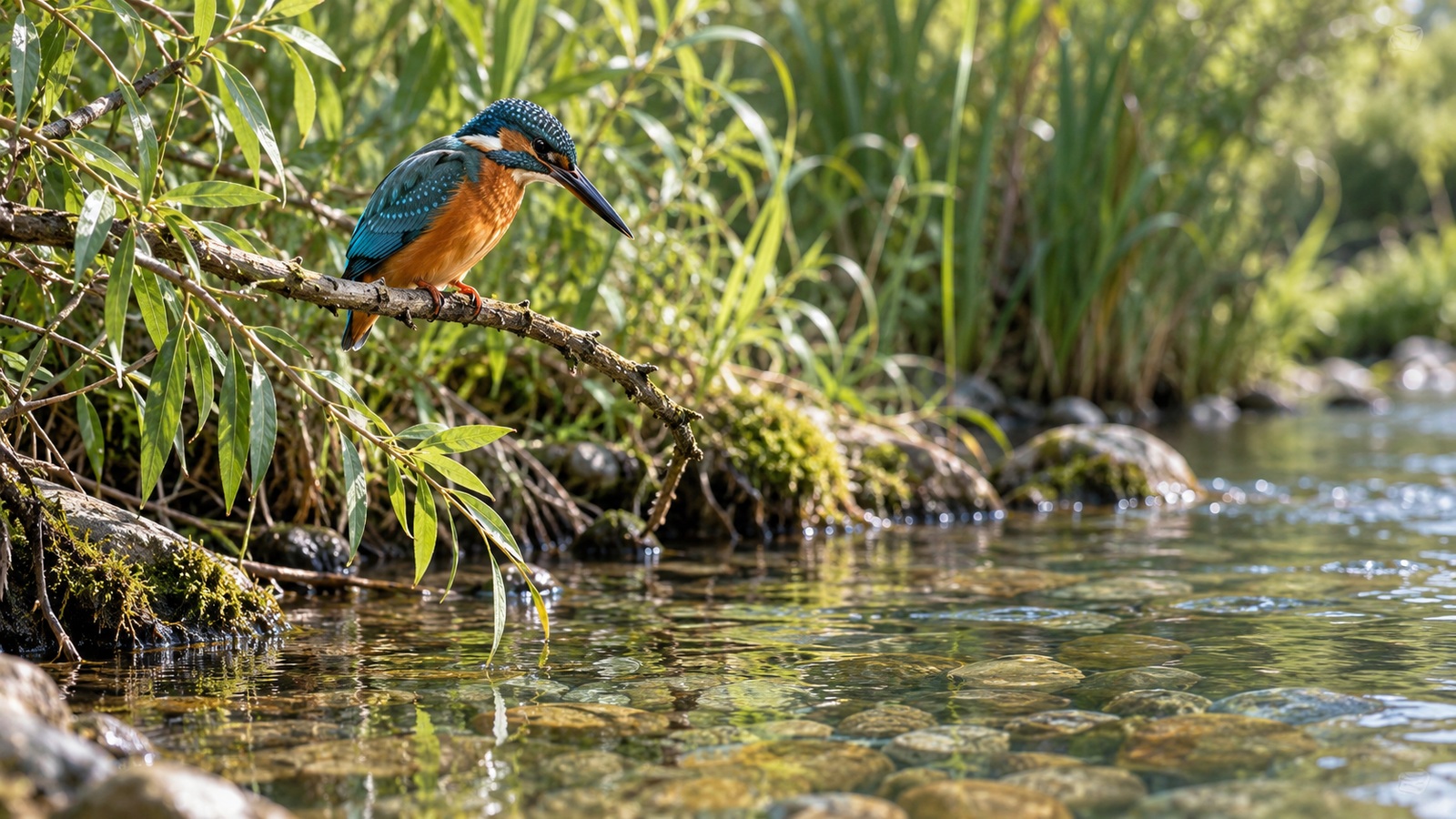
Freshwater supports cellular chemistry, plants, food production, and entire food webs. Salmon, bears, and emerging insects show how a stream’s living value reaches onto land.
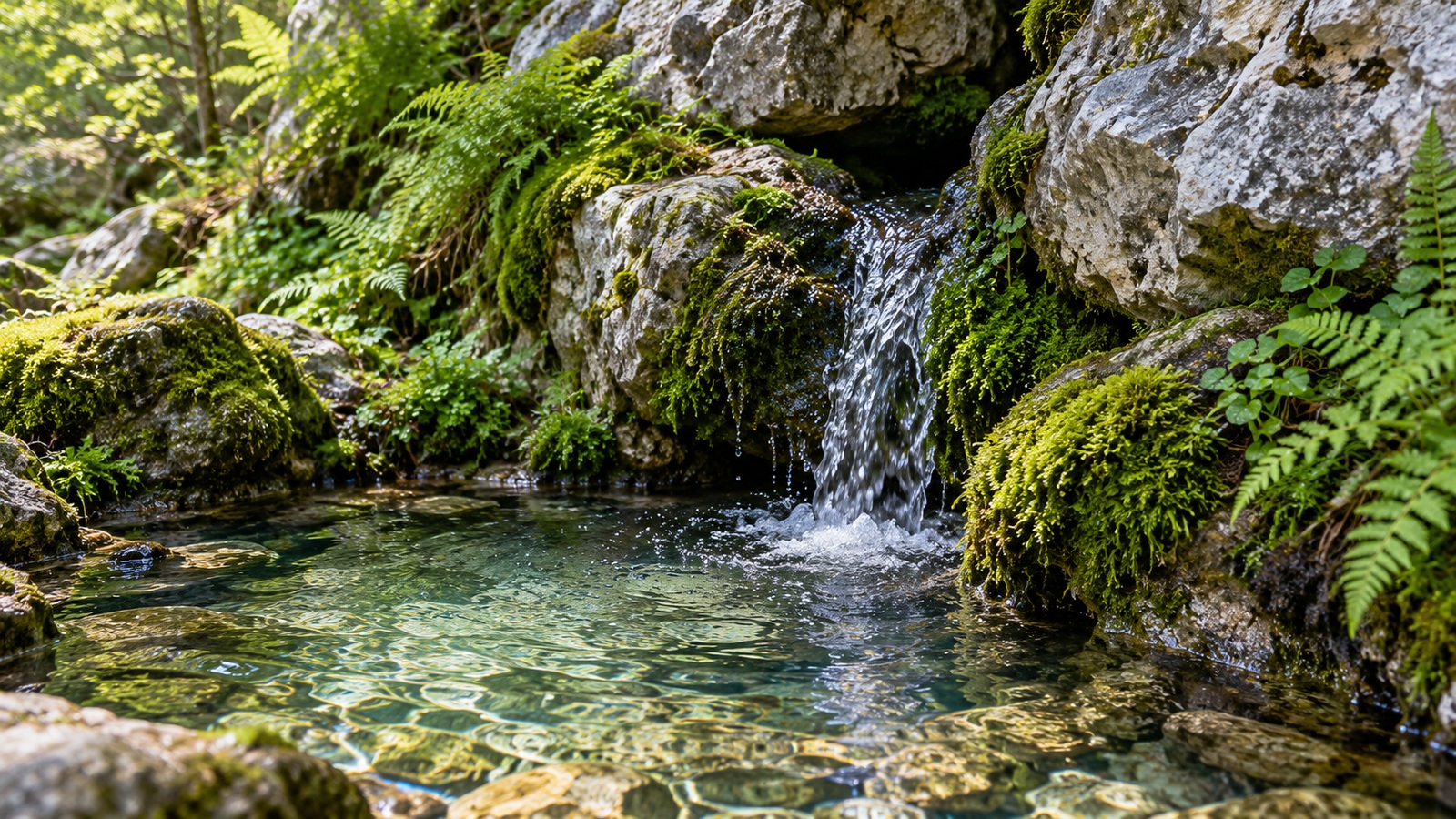
Trace freshwater through rain, snow, aquifers, springs, rivers, and reservoirs. The High Plains aquifer illustrates why a large underground reserve is different from a renewable annual supply.
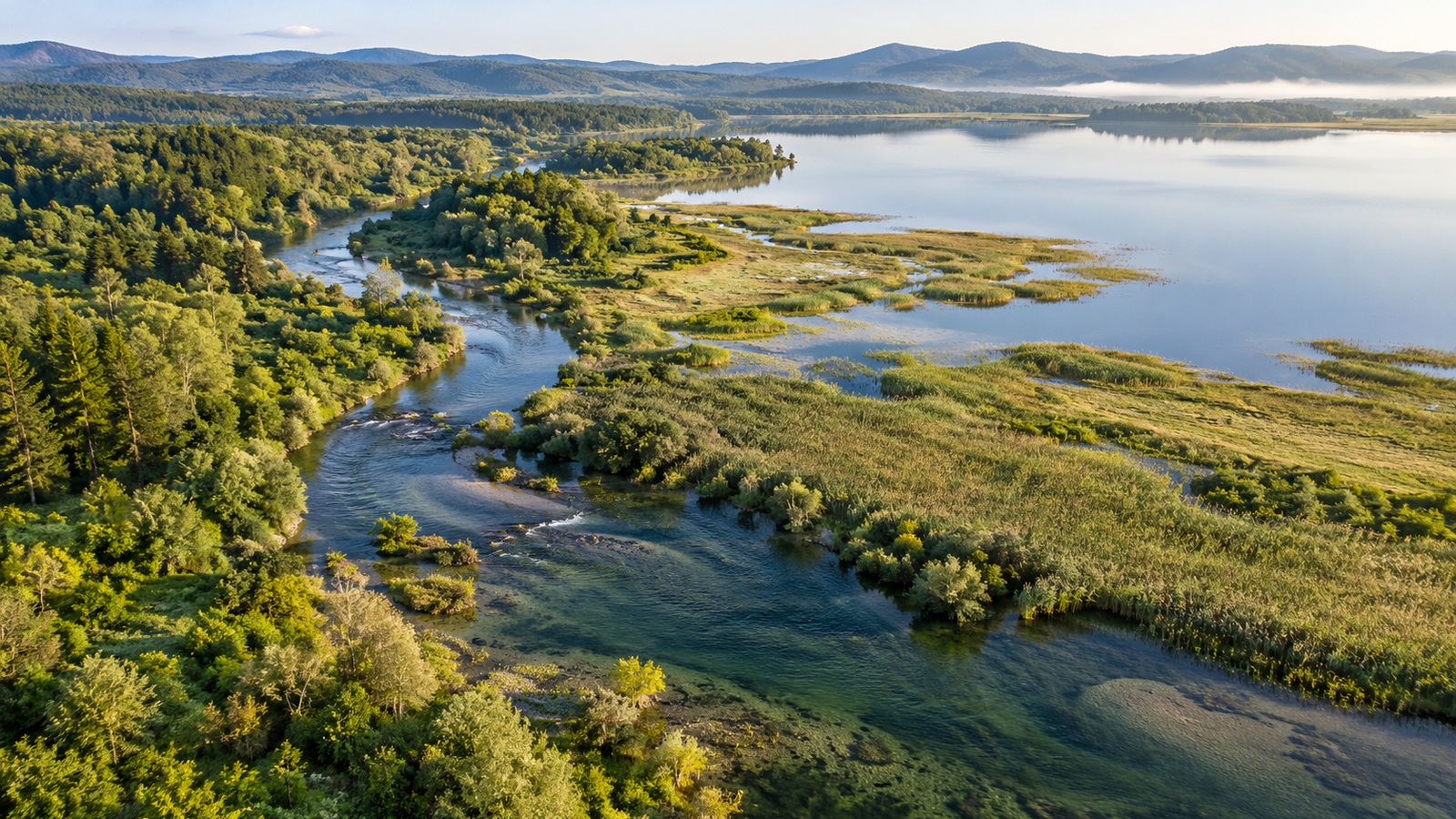
Rivers, lakes, wetlands, and groundwater form connected habitats. Cambodia’s Tonle Sap shows how a seasonal change in flow can join a river, a lake, and a flooded forest.
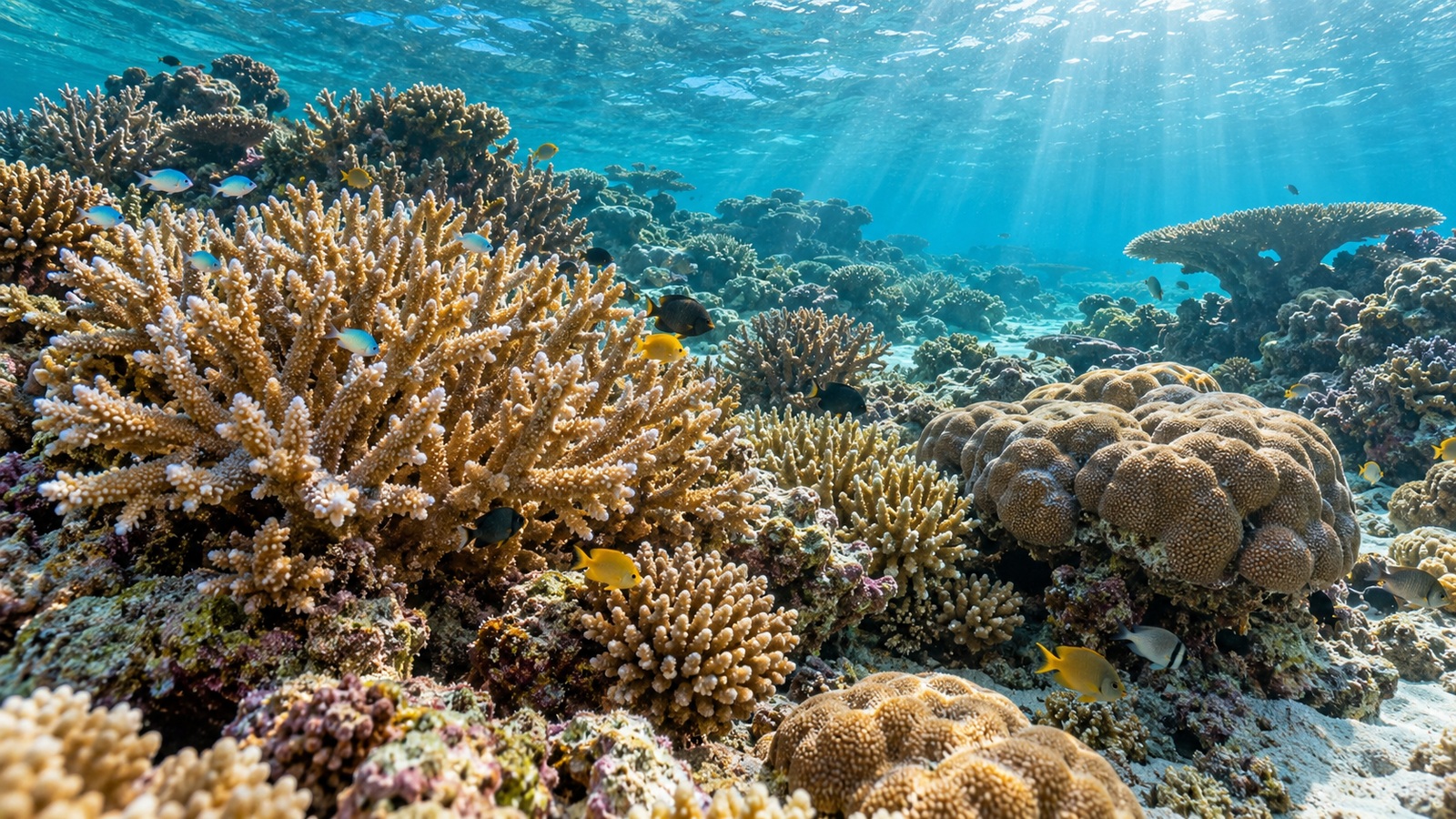
Meet staghorn coral and the grazers that help keep reef surfaces available for new life. Explore how living builders, food webs, and neighboring habitats make a reef function.
Ocean warming, acidification, and oxygen loss change marine habitats together. A documented global bleaching event shows how persistent heat can become an ecological emergency.
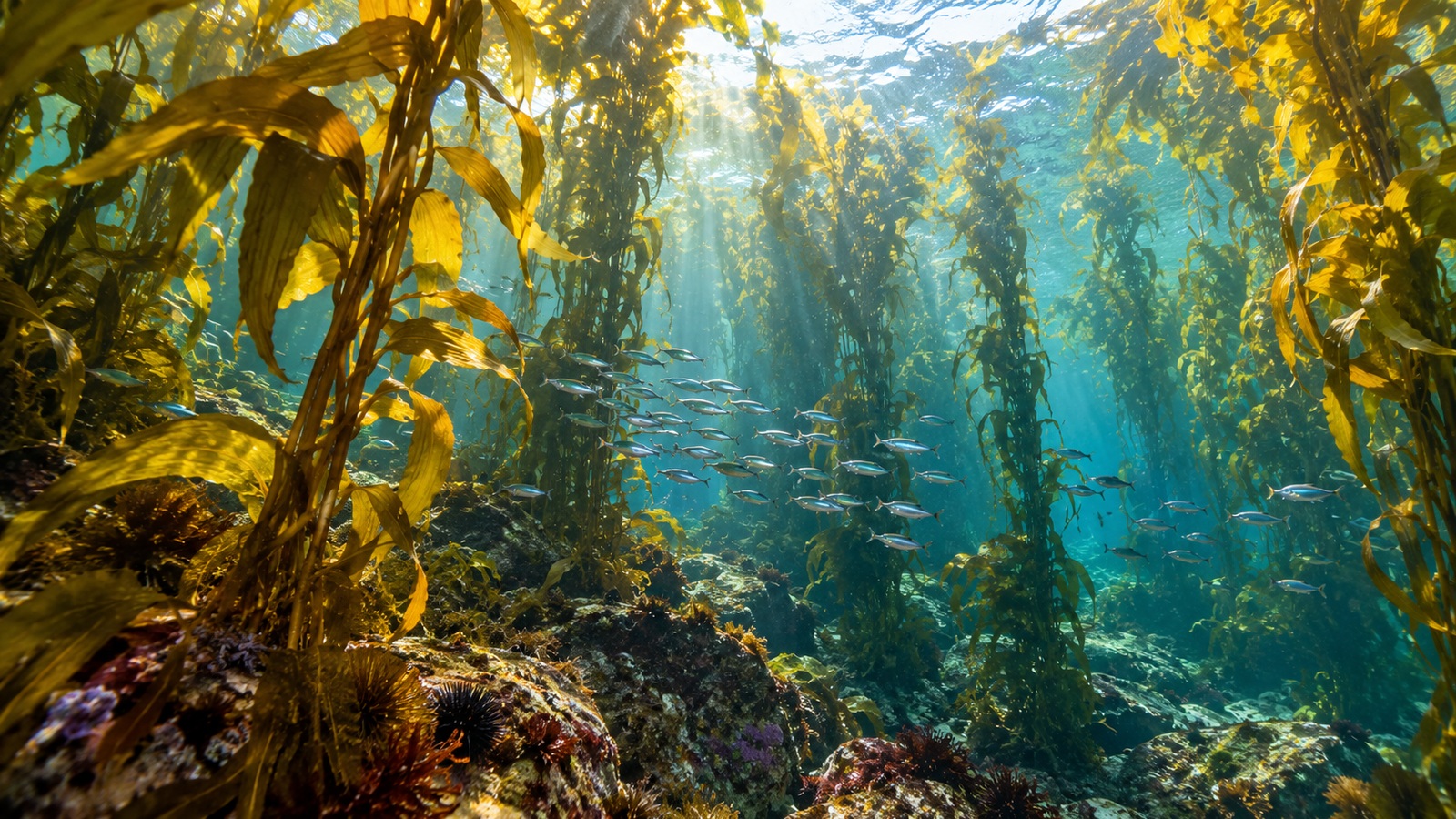
Follow the California Current from nutrient-rich upwelling to plankton and feeding animals, then explore how ocean habitats connect food webs, climate, oxygen, and coastal life.